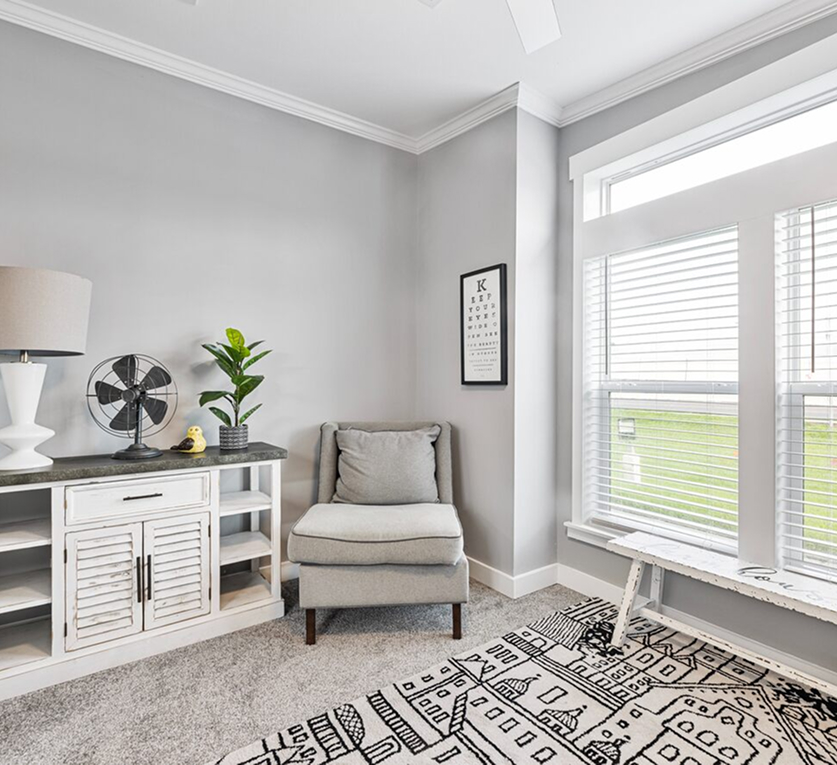
A smaller space could be right for you
It’s Saturday morning. You’re standing in the backyard looking at a lawn that needs mowing, a fence section that’s been loose since October, and a gutter you’ve been meaning to clean since the leaves fell. Inside, there are three bedrooms that haven’t had guests in two years, a formal dining room you use at Thanksgiving, and a heating bill for all of it. You’re not behind, you’ve kept up with the house. But keeping up is starting to feel like that’s all you do.
Most people who are ready to downsize don’t wake up one day and know it. It builds. The signs were there for a while before they were willing to say it out loud. If you’ve been circling the question without quite landing on an answer, these seven signs might help clarify where you truly stand.
Sign 1: Your Home Requires More Maintenance Than You Have Time or Energy For
This isn’t about being unable to handle things, it’s about proportion. When a significant portion of your time, energy, and mental space goes toward maintaining a home, it stops being a place you live and starts being a project you manage. If the to-do list is chronic, if you’re deferring things you wouldn’t have deferred ten years ago, that’s a signal worth listening to.
Sign 2: You’re Paying to Heat, Cool, and Clean Rooms Nobody Uses
Square footage you don’t use still costs money every month. The guest room, the home office that became a storage room, the formal living room; they show up in your utility bills, your cleaning schedule, and your property taxes. If a significant portion of your home exists mostly as overhead, that’s worth factoring in.
Sign 3: Your Weekends Are Spent on the House Instead of Your Life
This is the one that usually lands hardest. You had plans, travel, hobbies, time with grandchildren, mornings that belong to you. But the house has other ideas. Yard work on Saturday, a repair project on Sunday, and the week starts again before you’ve done any of the things that were supposed to come with this stage of life. Retirement was meant to give you your time back. If the house is taking it instead, something is worth reconsidering.

Feel connected to your neighbors again in a smaller community
Sign 4: You Feel Isolated or Disconnected From Your Neighbors
In-place neighborhoods change over time. If the people who knew you and looked out for you have moved away and if your block has turned over and you don’t know the people across the street, the social infrastructure that made your home feel like home may be thinner than it used to be. Community doesn’t just happen, it has to be somewhere that supports it.
Sign 5: You Want to Travel but Feel Tied to the House
A house that requires ongoing attention – the lawn, the mail, the general sense that something could go wrong if no one’s watching – becomes a tether. Snow birding, extended trips, being genuinely free to go somewhere for three weeks without logistics: these are things that become simpler when your home doesn’t need you there. If you’ve been holding back on plans because of what the house requires, that’s worth naming.
Sign 6: You’re Managing the Home Alone
Whether you’re already on your own or simply looking ahead, maintaining a large home alone carries a different weight than it did when there were two of you to share the work, decisions, and the noticing of things that need attention. This isn’t a reason to make an immediate move, but it’s a reason to think honestly about what’s sustainable, and what setup would actually support the life you want going forward.
Sign 7: You’ve Started Imagining What Life Could Look Like Somewhere Simpler
The conversations have started. You’ve looked at a few things online, mentioned it to someone you trust, driven through a neighborhood and thought about it differently than you used to. The imagination is running ahead of the decision — which is usually how it works. If you’re here, you’re not starting from scratch. You’re already partway through the research.
So What Do You Do Next?
The most useful next step is usually straightforward: start learning. Read about the options that fit your situation, what communities in your target area look like, what they cost, what’s included and what isn’t.
Visit in person. A floor plan on a screen and a home you’ve walked through are not the same thing. The same is true for communities: reading about them tells you something, but touring tells you whether you could see yourself there. If you’re curious about Silver Bay Palatka, schedule a visit and we’ll show you around without any pressure to make a decision.
Talk to a financial advisor who understands retirement housing transitions. The equity from a home sale, structured well, can change the picture significantly. For a preview of what how downsizing your square footage can upgrade your life, read through that article before your conversations start.
Summary

An example of the Alexa main house at Silver Bay.
The signs that you’re ready to downsize in retirement are rarely dramatic. Instead, they build gradually in the form of weekends spent on maintenance, rooms that go unused, utility bills that feel disproportionate, and a quiet sense that the house has become more obligation than home. If several of the signs in this article feel familiar, you’re likely further along in the process than you realize. The next step isn’t a decision, it’s research. Explore your options, visit a community or two, and talk through the financial picture with someone who understands retirement transitions. When you’re ready to take a look at what a simpler, maintenance-free life in Northeast Florida could look like, Silver Bay Palatka is worth a visit.
Frequently Asked Questions
When is the right time to downsize?
There’s no universal right time, but most people who’ve done it say they waited longer than they should have. If the house is consuming time, energy, or money at a rate that’s affecting your quality of life, and if you’ve started imagining a simpler setup, that’s usually a reasonable signal to start exploring seriously. You don’t have to be ready to move next month to start learning what your options are.
What should I do before I downsize my home?
Start by clarifying what you actually want: the right square footage, location, community type, and monthly cost. Then tour a few options in person rather than making decisions from a distance. Get a realistic picture of your home equity and how it fits into your overall retirement finances.
Is it worth downsizing in retirement?
For most retirees who make the move, yes, and the reasons go beyond the financial. Maintenance-free living frees up time, a smaller well-designed home is easier to manage. Purpose-built active adult communities tend to provide social infrastructure that larger neighborhoods often don’t. The people who say they’d do it again sooner are more common than the ones who regret it.
How do I know if a 55+ community is right for me?
The clearest way is to visit one and see how it feels. Read about what’s included in the monthly costs, what the social environment is like, and what the typical resident’s day actually looks like. If you’re healthy, independent, and looking for a lower-maintenance lifestyle with a built-in community, a 55+ active adult community is designed for exactly that. See our floor plans and home options for a concrete look at what Silver Bay offers.
What happens to the equity from my home when I downsize?
In most cases, downsizing from a larger home to a manufactured home in a 55+ community releases significant equity. What you do with that equity (reinvest it, add it to retirement savings, reduce financial pressure) is a conversation worth having with a financial advisor who understands retirement transitions. Many people find that the move improves their monthly cash flow at the same time it reduces their maintenance burden.
If any of these signs feel familiar, the next step doesn’t have to be a big one. Reach out to Silver Bay and we’ll answer your questions, show you around, and give you whatever information you need to make the right decision – at your pace.