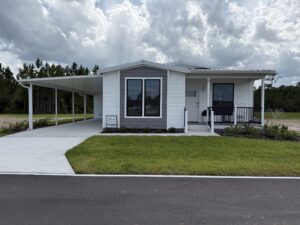
Renting comes with rules about what you can change. Owning your Silver Bay home gives you the ability to make it your own.
A monthly housing payment tells you what leaves your bank account. It doesn’t tell you what you have to show for that money five or 10 years down the road. That difference matters when you are comparing rental communities, traditional homeownership, and a 55+ community such as Silver Bay.
Renting keeps the upfront cost down, but the money going toward rent does not build equity in your home. Buying a traditional house gives you ownership of the house and land, yet you also take on property taxes, maintenance, and the larger purchase price that comes with owning both. Silver Bay takes a middle route: you purchase the home, lease the land, and build equity in the home while paying a monthly lot lease. That makes renting vs owning in a 55+ community retirement more than a question of which monthly payment looks lower.
Pure Renting: The Flexibility Argument
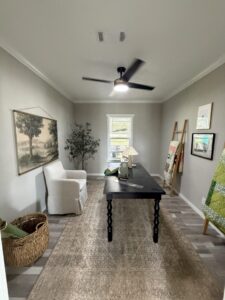
From hanging artwork to choosing finishes, renters may have limits on what they can change inside the home.
Renting has a straightforward appeal. You pay for the time you live there, then you leave when the lease ends. You do not need to come up with a large purchase price, and selling a property is not something you have to worry about later.
The tradeoff shows up over time. Rent payments do not build equity, and rent increases can raise your housing costs without increasing your ownership stake. A rental home also comes with limits on changes you can make, since major updates usually depend on the property owner's rules and approval.
Traditional Homeownership in Retirement: What You Keep
Buying a traditional home gives you ownership of both the house and the land beneath it. Mortgage payments may build equity, and once the mortgage is paid off, the property itself remains an asset you can sell, leave to family, or use as part of your financial plans. You also have much more control over the property, from renovations and landscaping to the way you use each room.
That ownership comes with a longer list of bills and responsibilities. Property taxes are part of the cost of owning the home, and you are responsible for repairs, maintenance, landscaping, and major expenses as the property ages.
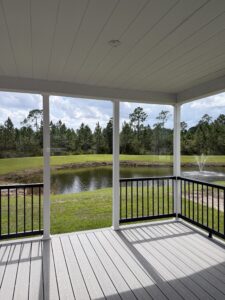
Leasing the land keeps the focus on what you actually own at Silver Bay, from the front door to the porch where you spend your afternoons.
Traditional homeownership also does not automatically put you in a 55+ community. You may have control over your property while handling the social side of retirement on your own. Having a built-in community changes that by putting neighbors, shared spaces, and social activities right in the neighborhood.
The Silver Bay Model: Own the Home, Lease the Land
Silver Bay works differently from both a rental community and a traditional neighborhood. You purchase your manufactured home, but you do not purchase the land beneath it. Instead, residents pay a monthly lot lease for their homesite.
That setup lowers the amount needed to get into homeownership because the purchase price covers the home rather than a house and a parcel of land together. The home is entirely yours, and as you pay for it, you build equity in the property.
The monthly lot lease is a separate expense. It covers the use of your homesite and is part of what it costs to live at Silver Bay, while the home itself remains your property. The financial side also becomes easier to follow once you look at the two costs individually. Your home is an asset you may eventually sell, while the lot lease is a housing expense.
Side-by-Side Cost Comparison
| Category | Renting in a 55+ Community* | Owning at Silver Bay** | Traditional Homeownership |
|---|---|---|---|
| Starting purchase / down payment | $0 | $45,000 | $39,976 |
| Starting monthly housing cost | $1,379 | $1,758 | $1,810 |
| Estimated 10-year cash paid | $172,345 | $255,950 | $280,000 |
| What you own after 10 years | Nothing | The home | The home and land |
Housing costs also include expenses that do not show up in a basic monthly rent or mortgage figure. The difference between lot rent vs HOA fees vs property taxes comes down to who owns the property and which costs fall on the resident.
Which Model Is Right for Different Situations
Start by evaluating your budget. Renting may appeal to a household that wants to keep more savings available rather than putting money into a home. Buying requires more money upfront, but those payments go toward an owned property. Monthly expenses also belong in the calculation, especially taxes, insurance, maintenance, lot rent, and rent increases.
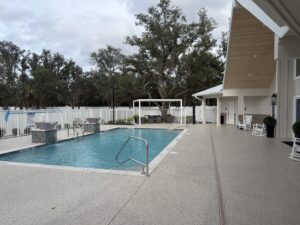
The Silver Bay pool is one of those shared amenities that comes with the community, giving residents a place to cool off without leaving home.
Next, think about how long you expect to stay. A move within a few years may make renting easier to justify. A longer stay gives an owned home more time to build equity. The maintenance side fits naturally into the ownership question, since renters can call the landlord when something breaks while homeowners take on the repairs themselves.
Family plans can shift the decision, too. A household hoping to leave a property to children may place more value on ownership, while a future move closer to family could make flexibility more important.
For buyers who want to own the home without purchasing the land, 55+ communities like Silver Bay are the perfect option. You own the manufactured home and build equity in it, while leasing the land keeps the purchase from including a homesite. The Silver Bay floor plans give you a chance to see what that ownership model looks like in practice.
Renting vs Owning 55+ Community Retirement: Which Fits You?
The biggest surprise in this comparison may be how little the word rent tells you about the actual cost of housing. A lower monthly payment does not automatically mean you spend less over a decade, just as a higher payment does not mean you are making a better investment. The money has to be viewed alongside your long-term retirement goals.
That makes the renting vs owning in a 55+ community retirement question less about picking a winner and more about deciding where you want your housing dollars to land. Silver Bay puts homeownership on the table without requiring a land purchase. Our complete guide to 55+ communities takes that comparison outside the price tag and into the details of how these communities actually work.
Frequently Asked Questions
Do you own your home in a manufactured home community?
Yes. In a land-lease community such as Silver Bay, you own the manufactured home you purchase while leasing the land beneath it. The home is your property, and you may build equity as you pay down any financing.
Is lot rent the same as renting?
No. Lot rent covers the use of the land where your manufactured home sits. Renting a home means you pay for the right to live in the home itself without owning it. With lot rent, the home remains yours.
Can you build equity in a manufactured home?
Yes. A manufactured home is an owned asset, so you can build equity as you pay down the loan. Changes in the home's value can also affect your equity over time.
What happens to your home when you leave a 55+ community?
That depends on the community and how the home is sold. At Silver Bay, a resident who moves can sell the manufactured home, subject to the community's applicable rules and requirements. The land remains with the community because residents lease their homesites rather than own them.
Is it worth buying a manufactured home in a 55+ community?
For someone comparing renting vs owning in a 55+ community retirement, buying may make sense when you plan to stay long enough to build equity and want an owned home rather than a rental. Silver Bay also separates the home purchase from the land, which changes the upfront cost and ongoing expenses.

Moving to a 55+ community doesn't mean you're confined there, historic downtown Palatka is an exciting place to explore once you've settled in from your move.
Ready to Compare Your Options?
A move into a 55+ community is a financial decision, but it is also a practical one. The way you spend your money affects how much responsibility you carry, how much flexibility you have later, and what you can do with the rest of your budget. Your housing choice should do more than make sense on paper and also feel workable in real life.
Still weighing renting vs owning 55+ community retirement housing? Contact Silver Bay to talk through our ownership model, current home availability, and what the numbers could look like for you.
Disclaimer: Every effort is made to ensure the accuracy of the information in this article. Please credit silverbaypalatka.com when sharing and reposting.