• FAQ
  • Contact Us
  • Portal
  • Call us: 386-242-2488
silver-bay-logo

Silver Bay

Luxury Living

  • Welcome
  • Our Homes
  • Amenities
  • Location
  • Silver Bay Living
  • Property Map

Active, maintenance-free lifestyle in a vibrant community for your comfort and enjoyment.

7110 Old Wolf Bay Rd., Palatka, FL 32177
CALL US: 386-242-2488

fb icon ig icon

Call Us
Map
FAQ

Coastal vs. Inland Retirement in Northeast Florida

November 13, 2026 by madison

A white and red boat docked at St. Johns river.

Palatka’s St. Johns River gives inland Northeast Florida its own waterfront appeal, with Atlantic beaches still within driving distance.

A beach view is lovely, but does every trip to the grocery store need to come with a side of tourist traffic and sandy car seats? Coastal vs. inland retirement in Northeast Florida involves some real trade-offs, and the right address depends on more than how much you enjoy the ocean. After all, there’s a difference between loving the beach and wanting to live next door to it.

Palatka brings an inland option to the mix, with the St. Johns River, local recreation, and everyday conveniences closer to home, while the Atlantic coast remains within driving distance. That means beach days can stay on the agenda without making beachfront real estate part of the budget conversation. And honestly, a little distance from the shoreline might have its perks.

What Coastal and Inland Retirement Mean in Northeast Florida
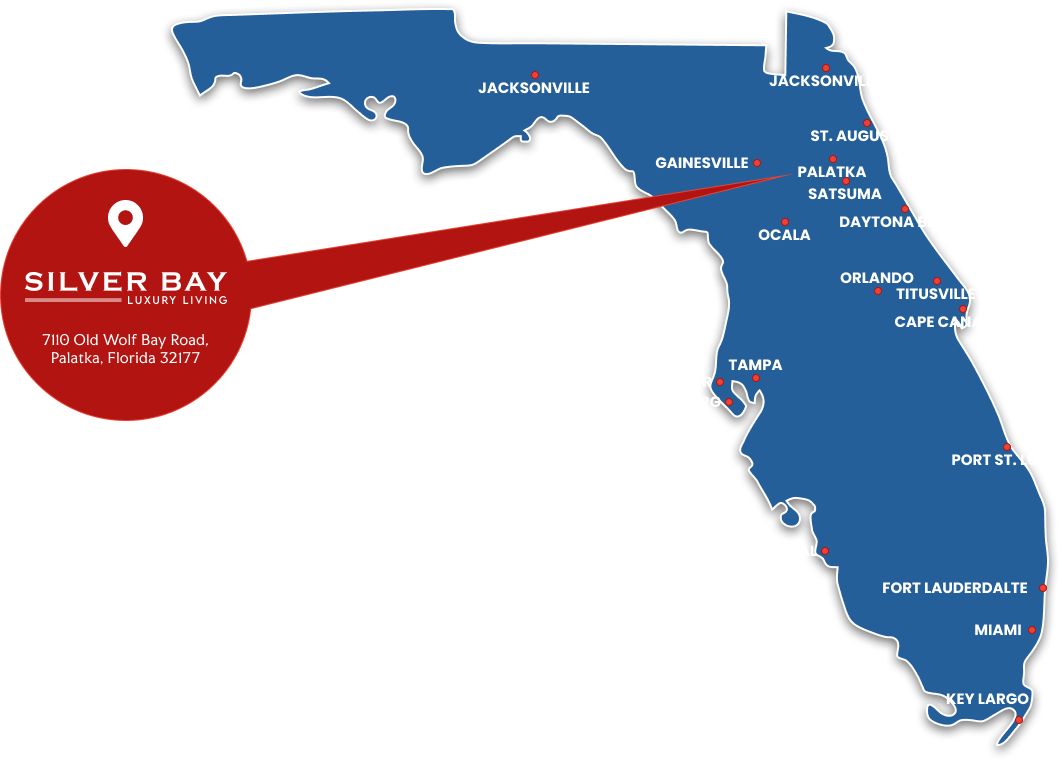
Map of Florida highlighting Silver Bay in Palatka, with nearby locations including St. Augustine, Jacksonville, Gainesville, Daytona Beach, and Ocala, along with other cities throughout the state.

Located centrally in Florida, Silver Bay in Palatka offers both the tranquility of small-town life and proximity to major attractions.

Coastal retirement in Northeast Florida usually centers on living near the Atlantic beaches, Intracoastal Waterway, or tidal waterways that weave through communities like St. Augustine, Jacksonville Beach, and Flagler Beach. Inland living shifts the focus toward riverfront towns, wooded neighborhoods, and communities farther west of the shoreline. The contrast isn’t simply ocean views versus no water at all; it’s which part of Florida’s geography you want closest to home.

Palatka sits firmly on the inland side, right along the St. Johns River in Putnam County. The Atlantic beaches are still accessible by car, but daily life centers on a riverfront city rather than a beach town. For buyers who enjoy the water without needing the ocean as their backyard, that’s an interesting distinction.

Housing and Everyday Cost Considerations
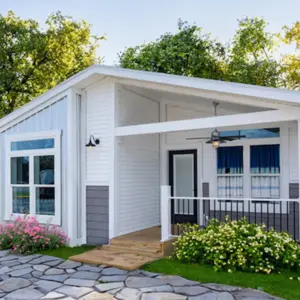
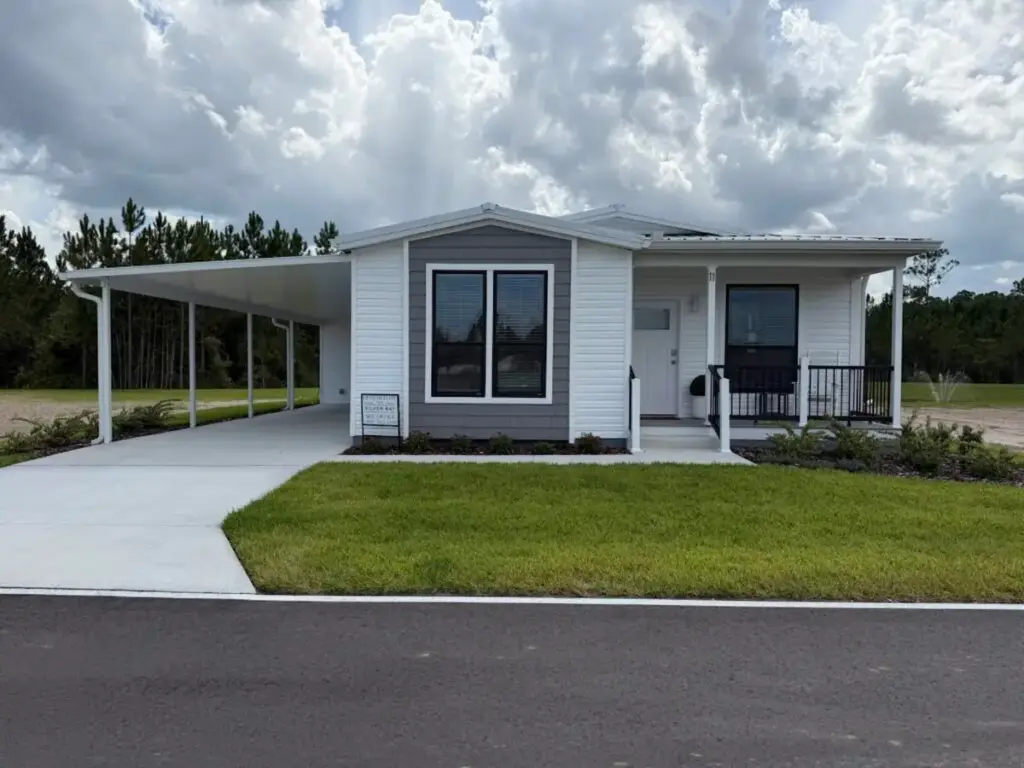
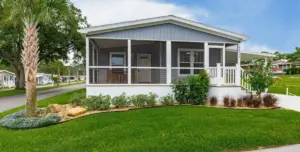
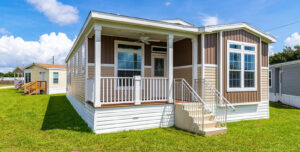
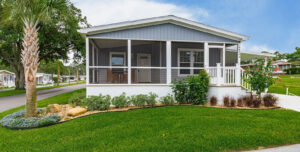
Silver Bay's white Cottage Farmhouse manufactured home features a front porch, black railing, trimmed windows, and a landscaped entryway.

Silver Bay’s white Cottage Farmhouse manufactured home features a front porch, black railing, trimmed windows, and a landscaped entryway.

Housing prices highlight a noticeable gap between coastal and inland markets. September 2026 median listing prices were approximately $289,950 in Palatka, compared with $598,500 in St. Augustine Beach, $581,500 in Flagler Beach, and $714,995 in Jacksonville Beach. These figures cover entire local markets rather than identical properties, but they illustrate the substantial difference buyers may encounter when shopping along the Atlantic shoreline.

Silver Bay takes another approach to homeownership: residents purchase their manufactured homes and lease the land beneath them. Homes currently start at $225,000, with nine floor plans ranging from 1,029 to 1,600 square feet. Monthly lot rent covers lawn care, irrigation, fertilizing, street lighting, and access to the clubhouse and pool. Residents handle their own water and electricity bills, homeowners insurance, and home maintenance.

Insurance, Flooding, and Storm Questions Buyers Should Investigate

An inland address doesn’t eliminate Florida’s weather risks; it changes which hazards need closer consideration. Coastal properties can face storm surge and tidal flooding, while inland homes may experience river flooding, heavy rainfall, and hurricane-force winds. Putnam County has its own flood vulnerability assessment resources, and FEMA’s flood maps let buyers check the designation assigned to a specific property.

Insurance requires equally careful homework. Standard homeowners policies generally exclude flood damage, so buyers should ask whether separate flood coverage is necessary and request an insurance quote for the exact home they’re considering. Roof condition, construction materials, wind-mitigation features, and hurricane deductibles can also affect coverage and premiums. Checking the property’s flood history and understanding local evacuation instructions belong on the pre-purchase checklist.

Beach Access Versus Everyday Convenience

Wooden beach boardwalk crossing grassy dunes toward the ocean at St. Augustine Beach under a clear blue sky.

A wooden boardwalk leads to the Atlantic shoreline at St. Augustine Beach, a coastal destination within driving distance of Silver Bay Palatka.

Living closer to the shoreline can make a quick beach visit part of an ordinary afternoon, while residents farther inland are more likely to plan a dedicated outing. St. Johns County maintains public beach access points with facilities that make a day by the water easier to arrange. Vilano Beachfront Park, for example, has a beach walkover, restrooms, showers, changing stations, and a pavilion. Beach access locations vary in their parking, amenities, and rules for vehicle entry, so reviewing the county’s beach-access information before heading out can save some guesswork.

Coastal towns have their own grocery stores, pharmacies, and restaurants, but the range and location of those services depend on the community. In Palatka, routine errands have a local rhythm. Publix at Town and Country Shopping Center has a pharmacy alongside its grocery departments, while the Walmart Supercenter on State Road 19 handles groceries, prescriptions, and household shopping under one roof. Downtown restaurants add a local dining scene, too, with spots such as The Magnolia and Velchoff’s Corner. The result is a week that doesn’t require a coastal outing every time the shopping list grows or dinner plans call.

Healthcare, Shopping, Dining, and Airports

A quiet downtown Palatka street lined with storefronts, trees, and glowing streetlamps, with the Putnam County Courthouse clock tower visible in the distance.

Downtown Palatka’s tree-lined streets, local shops, and restaurants give residents a taste of the city’s everyday shopping and dining scene.

Coastal communities like St. Augustine put residents close to a larger concentration of medical offices, specialty providers, and hospital services, including UF Health Flagler Hospital. Healthcare near inland Palatka includes HCA Florida Putnam Hospital, with a 24-hour emergency department and several medical specialties, plus Putnam Heart Center near Silver Bay. Access to larger medical systems in Jacksonville and Gainesville adds regional options, though those trips require more travel.

St. Augustine’s shopping and dining scene includes destinations such as the Premium Outlets, historic-district boutiques, and a wide range of restaurants. Palatka has a more locally focused retail and dining scene, with independent businesses serving the community.

Airport access is less tied to the shoreline. Jacksonville International Airport serves both coastal and inland residents with a broad airline network, while Gainesville Regional Airport has nonstop connections to several major hubs. St. Augustine Regional Airport primarily handles general and corporate aviation, so living near the coast doesn’t necessarily mean having a major commercial airport closer at hand.

Traffic, Tourism, and Seasonal Crowd Differences

Clusters of bright pink and pale pink azalea blossoms fill the foreground beneath a clear blue sky.

Bright pink and white azaleas are a familiar sight during Palatka’s Florida Azalea Festival, a late-winter celebration that brings visitors downtown.

Coastal Northeast Florida doesn’t follow one visitor calendar. Jacksonville’s beaches see heavier summer weekend activity and spring-break crowds, while Amelia Island reaches its busiest visitor season during the summer months. Palm Coast and Flagler Beach have festivals, markets, and community events spread throughout the year, and St. Augustine draws holiday visitors for Nights of Lights. The result is a range of seasonal patterns across the coast, with activity depending on the community and time of year.

Palatka has its own busy weekends, particularly during the Florida Azalea Festival in late winter and the Blue Crab Festival over Memorial Day weekend. Those gatherings bring visitors into town, but the calendar is more centered on scheduled local celebrations than on a major beach-tourism season.

Outdoor Recreation in and Around Palatka

Stone steps and a rustic stone arbor frame a garden path at Ravine Gardens State Park, surrounded by trees, ferns, and flowering plants.

Stone pathways, lush greenery, and historic garden features make Ravine Gardens State Park a favorite outdoor destination in Palatka.

Freshwater adventures and wooded trails give inland Northeast Florida its own outdoor appeal. Palatka’s Riverfront Park has fishing piers, boat ramps, and a kayak launch, while Dunns Creek has a six-mile paddling route through cypress-lined waterways. On land, Ravine Gardens State Park has hiking trails that wind through steep ravines and cross suspension bridges, and the 19-mile Palatka-to-St. Augustine State Trail gives walkers and cyclists a longer route through the countryside.

Coastal recreation leans more toward saltwater activities and shoreline habitats. Anastasia State Park has four miles of Atlantic beach for surfing, swimming, and fishing, while the Guana Tolomato Matanzas Reserve has trails, marshes, and paddling routes through coastal ecosystems. Both settings have plenty to keep outdoor enthusiasts busy, but the scenery and activities vary considerably. Things to do in Palatka put freshwater boating, fishing, and forest trails at the forefront, while coastal communities bring the ocean and saltwater recreation into everyday plans.

Staying Close to the Coast Without Living Directly on It

An inland home doesn’t mean giving up easy access to the Atlantic. From Palatka, St. Augustine Beach is roughly a 40-minute drive, and Flagler Beach takes about 50 minutes, making either a manageable destination for a day by the ocean. Jacksonville Beach is farther north, at roughly 75 minutes by car. Those estimates vary with traffic and your exact destination, but they put the coast within reach for a planned outing without making beachfront property part of your daily address.

A Personal-Priorities Comparison Checklist

A location can look appealing on paper and still feel inconvenient once daily routines enter the picture. Before making a decision, ask yourself:

  • Which expenses am I comfortable carrying month after month?
  • How much travel am I willing to build into an ordinary week?
  • Would I miss having the ocean close by, or would occasional visits satisfy me?
  • Which surroundings would I enjoy seeing outside my window every day?
  • How much activity do I want in my community throughout the year?
  • Does this location support the routines I expect to keep over the next several years?

Deciding Between Coastal vs. Inland Retirement in Northeast Florida
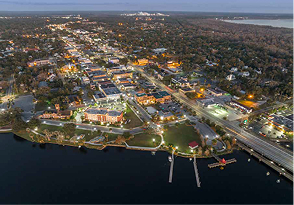
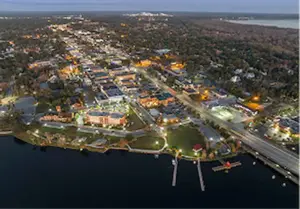
Aerial view of downtown Palatka, Florida, showing the city's buildings and surrounding landscape.

An aerial view of downtown Palatka highlights the city at the center of Silver Bay’s inland Northeast Florida location.

A coastal view makes a lovely vacation photo, but a retirement address has a full-time job of making the ordinary parts of the week feel right. The question behind coastal vs. inland retirement in Northeast Florida isn’t which setting wins a postcard contest. It’s which one makes a routine Tuesday feel right without requiring a negotiation with your budget, your calendar, or your patience.

Palatka doesn’t need an oceanfront address to make a case for itself. The river, the trails, and the character of the city give it plenty of local identity, while the Atlantic remains an easy destination for a change of scenery. Turns out, you don’t have to pay for the view to keep the beach in your weekend plans.

Frequently Asked Questions

Is Silver Bay a waterfront community?

No. Silver Bay is an inland community in Palatka, not a riverfront development. The St. Johns River and its public recreation areas are part of the surrounding area, but residents should not expect a private waterfront setting at their homes.

Can I enjoy coastal and riverfront recreation while living at Silver Bay?

Absolutely. Living in Palatka puts public river access and Atlantic coastal destinations within driving distance. Residents can plan outings around the kind of scenery and activities they enjoy without needing to live directly on the water.

What should I consider before choosing an inland active adult community over a coastal one?

Consider your comfort with driving, the community’s amenities and rules, and the home’s ownership arrangement. Coastal vs. inland retirement in Northeast Florida involves more than choosing a view, so think about how Silver Bay’s location and setup fit your plans.

Is Silver Bay a good fit for someone who has always lived near the beach?

It can be, especially for someone comfortable planning beach visits rather than making spontaneous trips. Palatka has its own local character and recreational attractions, so visiting Silver Bay and the surrounding area can help you decide if inland living suits you.

Get to Know Inland Living at Silver Bay
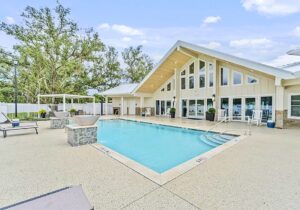
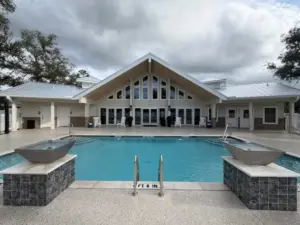
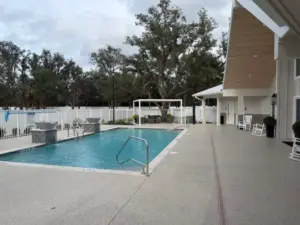
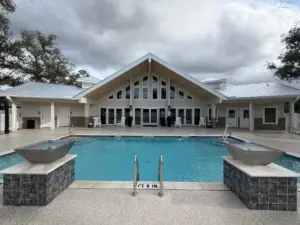
Silver Bay Palatka's outdoor swimming pool and clubhouse, part of the community's shared resident amenities.

Silver Bay’s clubhouse and pool give residents a place to cool off, spend time with neighbors, and enjoy community amenities in inland Palatka.

A move to Silver Bay comes with plenty to think about, but it also comes with something to look forward to. Maybe you’re ready for a smaller city, curious about manufactured home living, or simply interested in seeing what an active adult community in Putnam County looks like up close. Whatever brought Silver Bay Palatka onto your radar, we’d love to help you get acquainted.

Still weighing coastal vs. inland retirement in Northeast Florida? Our team is happy to talk through the details and help you decide what comes next, so start the conversation by Contacting Us.

Disclaimer: Every effort is made to ensure the accuracy of the information in this article. Please credit silverbaypalatka.com when sharing and reposting.

Filed Under: Community, Palatka Tagged With: Community, Location, SilverBayPalatka

How to Compare Silver Bay’s Floor Plans Before You Buy

November 12, 2026 by madison

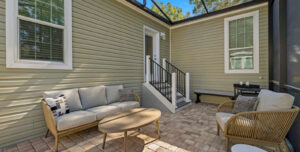
Silver Springs 5046 outdoor patio with a paved floor, gray outdoor sofa, wicker chairs, coffee table, and steps leading to the home's entrance.

The Silver Springs 5046 brings the outdoors into everyday living with a private patio framed by the home’s covered walls and windows.

A floor plan is full of decisions you won’t have to make yourself. Someone has already determined where the pantry goes, how much room separates the kitchen from the dining area, and whether the guest bathroom sits across the hall or beside a bedroom. All that’s left is deciding which of those arrangements you can get excited about and which ones you’d change if given the chance.

The Silver Bay floor plans put those decisions into real rooms, with kitchens, bedrooms, bathrooms, and storage arranged in ways that can change how a home feels from morning to night. The goal isn’t to find the model with the longest list of features, but to understand what each floor plan actually brings to the table.

Start With How You’ll Use Your Home

Two people can occupy the same home and use its rooms in completely different ways. A second bedroom, for example, could serve as a home office, a dedicated hobby room, or a place for visiting family to sleep. Regular activities at home play a part in how much room you need outside the bedrooms, particularly for hobbies that require a worktable, equipment, or supplies. Your current routines are a good place to begin, but leave room for anything new you’d like to make room for once you’re settled into your home.

Guest accommodations and furniture raise separate questions during a move out of a larger house. Frequent overnight visitors may make a second bedroom a priority, while occasional holiday visits could call for a more flexible arrangement. Existing furnishings need attention, especially pieces with sentimental value or a specific purpose in your household. Rather than assuming everything has to make the move, downsize by deciding what furniture will see regular use and which ones have gradually become part of the background.

Compare Kitchen Layouts and Entertaining Space

Interior view of the Silver Springs 5046 kitchen with a large granite island, white cabinets, stainless steel refrigerator and range, pendant lighting, and an arched opening to the dining area.

The Silver Springs 5046 kitchen features a spacious island with seating, granite countertops, white cabinetry, and stainless steel appliances.

An island can look impressive on a drawing, but its usefulness depends on the clearance around it and the counter space left for meal preparation. Check whether appliance doors and cabinet drawers can open without blocking the main walkway, and whether there’s enough uninterrupted countertop for chopping, serving, and setting out food. The Silver Springs 5046 pairs an island with seating and a walk-in pantry, along with a dedicated dining area. The Silver Springs 5006 has an island and walk-in pantry as well, but its dining space sits beside the kitchen within an open-concept great room.

The way these spaces connect becomes important for anyone who enjoys having friends over for dinner or serving meals to a larger group. An open arrangement keeps conversation flowing between the cook and everyone gathered in the living area, while a separate dining area creates a more defined setting for meals. Check the path between the refrigerator, cooking appliances, and dining table, too, since a crowded walkway can make serving dinner more difficult.

Look Closely at the Primary Suite and Bathrooms

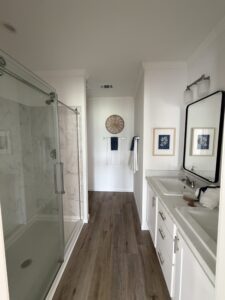
Silver Bay bathroom interior featuring a glass-enclosed walk-in shower, white double-sink vanity, large mirrors, framed wall art, and wood-look flooring.

This Silver Bay home bathroom features a glass-enclosed walk-in shower, double vanity, and contemporary finishes.

As you move through a Silver Bay model, the primary bedroom offers a useful introduction to how each floor plan handles private space. The Hayden and Pierce floor plans, for example, have primary bedrooms measuring 13’5″ by 10’11” and 14’5″ by 12’6″, respectively. Both models place a walk-in closet beside the primary bedroom, which is good news for anyone with a wardrobe that needs more than a single closet rod.

Bathrooms are the next part of the layout to examine. The Hayden has a 60-inch shower in its primary bathroom, whereas the Pierce has a separate shower, toilet, and vanity area. Its second bathroom includes a bathtub and a nearby linen closet. The Silver Springs 5046 brochure lists an optional walk-in shower, giving buyers another feature to discuss with the sales team. Doorway widths, shower thresholds, and clearance around fixtures deserve attention during this part of the tour, particularly for anyone planning around changing mobility needs.

Back in the hallway, the placement of the other bedrooms puts the primary suite’s privacy into perspective. The Silver Springs 5046 and 5006 both have split-bedroom layouts, separating the primary suite from the additional bedrooms rather than grouping all the sleeping areas together.

Evaluate Storage, Laundry, and Everyday Organization

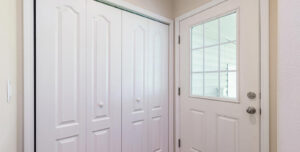
Interior view of the Silver Springs 5006 utility closet with white double doors beside the home's front entry door.

The Silver Springs 5006 utility closet features built-in storage with convenient access near the home’s entryway.

A well-organized home needs room for more than clothes and kitchen supplies. Cleaning products, spare linens, paper goods, tools, and more all need somewhere to go, preferably without taking over cabinets or leaving every closet packed to the ceiling. Silver Bay’s Hayden floor plan labels an interior utility room, while the Silver Springs 5046 has a mudroom entry from the garage. That mudroom creates a designated place for shoes, bags, and other items that tend to follow you indoors after errands or time outside.

Laundry arrangements get their own consideration because the washer and dryer occupy space that could otherwise serve another purpose. The Silver Springs 5006 has a dedicated laundry room, and the Hayden floor plan features a utility room. During a tour, check the room’s available space for detergent, hampers, and laundry baskets, along with whether there’s a convenient surface for folding clothes.

Storage needs don’t end at the front door, particularly for belongings that rarely make their way into daily use. Silver Bay lists resident self-storage units and covered RV storage among its community amenities, giving residents additional places for larger items that don’t need to occupy space inside the home.

Consider Outdoor Living and Homesite Placement

Exterior view of the Silver Springs 5006 with a wide screened front porch, gray siding, white trim, and landscaped lawn.

The Silver Springs 5006 features a spacious screened front porch with room for outdoor seating and views of the landscaped homesite.

A porch’s dimensions can change how much use you get out of the space. The Silver Springs 5006, for example, has a covered front porch with an optional eight-foot deck spanning the width of the home. The Ryan also has a front porch, and Alexa community models specify composite porch decking. Those details are useful when comparing the available outdoor areas, but the real test is how comfortably your furniture fits and whether the layout leaves room to move around.

The homesite plays just as much of a role in outdoor living as the porch itself. Silver Bay’s property map identifies lakefront lots and areas beneath mature live oaks, each with its own balance of views and shade. Those details affect how much sun and privacy your outdoor space gets, along with room for a garden, grill, or extra seating that becomes part of your daily routine.

Look for Features That Support Long-Term Comfort

Single-story construction keeps the bedrooms, bathrooms, and main living areas on one level, eliminating the need to navigate an interior staircase. However, that doesn’t automatically make a home accessible. Silver Bay homes have two 14-inch steps between the carport and the entrance, and doorway widths can affect access for residents who use mobility aids. Those two steps are easy to overlook during a model tour, but they become a daily part of coming and going, regardless of how accessible the interior feels. Fortunately, Silver Bay has select room and wall configurations available, so ask whether any adjustments could create wider passageways or make frequently used rooms easier to access.

Compare Silver Bay’s Currently Available Floor Plans

Cottage Farmhouse interior showing a dining table with four upholstered chairs, built-in white shelving, pendant lighting, and a glass door leading outside.

The Cottage Farmhouse floor plan features a welcoming dining area with built-in shelving, a large window, and an open connection to the kitchen.

Silver Bay’s nine listed floor plans range from 1,029 to 1,600 square feet, with two bathrooms in every model. The Hayden sits at the smaller end, while the Colby has the largest footprint. Most plans have two bedrooms, although the Silver Springs 5046 has three, making it the option to examine for households that regularly host overnight guests.

Room arrangements account for much of the variation between these models. The Ryan, Alexa, and Cottage Farmhouse each dedicate space to a den, while the Colby has a separate parlor in addition to its living room. Comparing those layouts side by side makes it easier to see where the extra square footage goes and which floor plan has the rooms your household will use.

Bring This Checklist to Your Floor-Plan Tour

  • Room dimensions: Measure larger furniture pieces and compare them with the available bedroom, living room, and dining space.
  • Kitchen layout: Check counter space, cabinet access, appliance placement, and room around the island.
  • Bedrooms and bathrooms: Note closet capacity, doorway clearance, shower access, and space around fixtures.
  • Storage and laundry: Account for cleaning supplies, linens, laundry baskets, and household equipment.
  • Outdoor space: Check porch dimensions, seating capacity, lot size, shade, and room for gardening or grilling.
  • Accessibility: Test the entrance steps and walk through interior doorways and hallways with any mobility needs in mind.
  • Model specifications: Record square footage, bedroom and bathroom counts, room dimensions, and features included in the advertised price.

What the Silver Bay Floor Plans Don’t Show

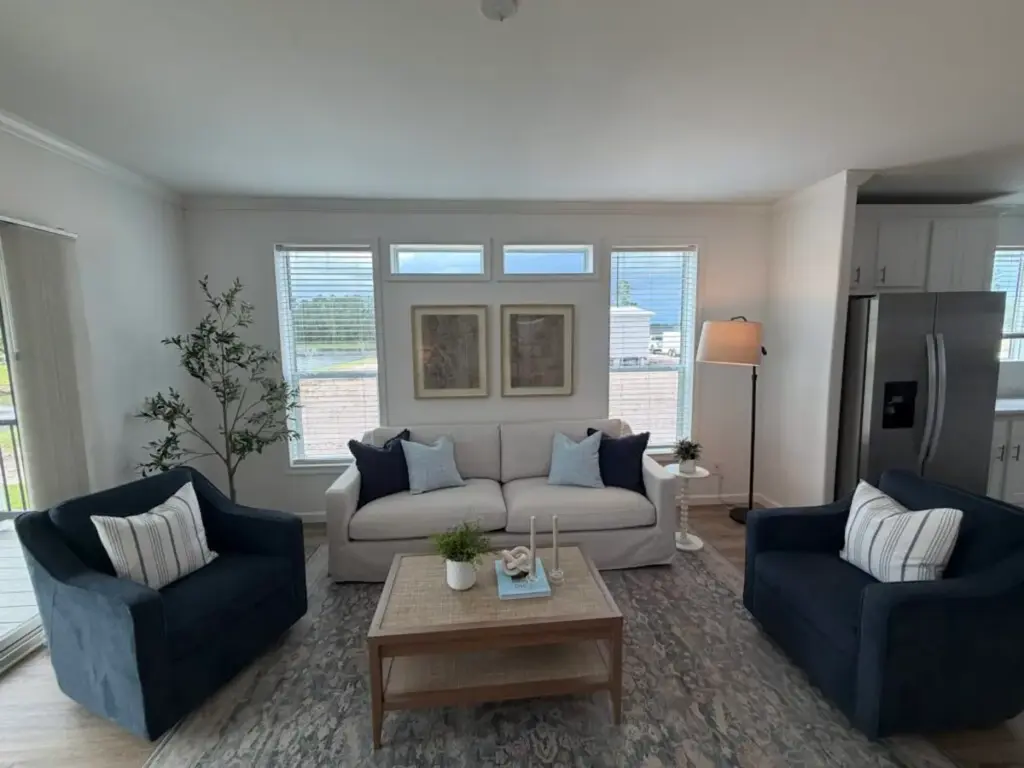
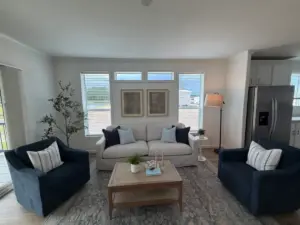
Bright Silver Bay living room with two blue armchairs, a light sofa, coffee table, and large windows.

Personal touches, favorite colors, and carefully chosen furnishings turn a Silver Bay living room into a reflection of the people who call it home.

A floor plan doesn’t have to check every box to feel like a good match. Maybe the dining area is smaller than you’d pictured, but the extra bedroom gives visiting family a comfortable place to stay. Maybe the kitchen isn’t arranged quite like the one you have now, but you can already see where the coffee maker and your favorite mixing bowls will go. Sometimes a home wins you over with one detail you hadn’t thought to look for.

The Silver Bay floor plans are a chance to see how much personality a home can have on paper before you’ve even moved a chair inside. Besides, a tape measure can confirm the sofa fits, but it can’t decide which room you’ll claim as your favorite.

Frequently Asked Questions

Can I customize the finishes in my Silver Bay home?

Yes. Buyers can choose flooring, countertops, cabinets, wall colors, fixtures, and exterior siding. We also have select room and wall configurations available to discuss when ordering your home.

Can I choose my homesite before selecting a Silver Bay floor plan?

Yes. You can pick your homesite first, then select a floor plan and finishes for your new home. Our property map shows the community layout.

How long does it take to get a new home installed at Silver Bay?

We estimate approximately 90 days between placing your home order and moving in. Actual timing depends on the home-order and installation process.

Can I move a manufactured home I already own into Silver Bay?

No. We don’t accept manufactured homes purchased elsewhere. Residents select and purchase a new home through Silver Bay.

Gray and white manufactured home at Silver Bay Palatka with a covered front porch, driveway, and carport.

This Silver Bay home puts its covered porch front and center, with the carport set off to the side and an open lawn framing the front entrance.

Let’s Talk Homes, Homesites, and Silver Bay

Ready to talk numbers, availability, and what it takes to make a home at Silver Bay yours? Our team can walk you through the purchasing process, explain the homesite options, and answer questions about the details that don’t fit neatly on a floor plan. No need to arrive with every decision made; that’s what the conversation is for.

Bring your questions, your wish list, and maybe a tape measure if you’re feeling ambitious. We’d love to hear what you’re looking for, so contact us and let’s talk about your next step.

Disclaimer: Every effort is made to ensure the accuracy of the information in this article. Please credit silverbaypalatka.com when sharing and reposting.
Filed Under: Community, Manufactured Homes, Palatka Tagged With: floor plans, Modern manufactured homes, SilverBayPalatka

What Is Included When You Buy a New Home at Silver Bay?

October 30, 2026 by madison

Covered patio with cushioned outdoor seating, a white metal roof, and white privacy fencing at Silver Bay Palatka.

The covered patio adds an outdoor gathering spot to Silver Bay, with lounge seating arranged for conversation and a view of the surrounding community.

A new home can quickly turn a shopping list into a full-blown production. There’s the floor plan to get excited about, the kitchen to admire, and the mental furniture rearranging that starts before you’ve even picked a move-in date. Then come the less glamorous details: appliances, exterior finishes, installation, and all the things that determine what you’re actually getting for your money. Nobody wants to fall in love with a kitchen and then learn the refrigerator is a separate purchase.

A new home has plenty to appreciate, but buyers need the rundown on more than cabinets and countertops. The full list extends to visible finishes and covers standard features, optional upgrades, homesite preparation, and community costs, but they don’t necessarily belong in the same price tag. Before you buy a new home at Silver Bay, get familiar with what’s included in the advertised cost and which finishing touches or practical necessities you’ll need to arrange yourself.

Why “What Is Included?” Matters

A home can look move-in ready in photos, but the details behind the asking price tell you what you’re actually buying. Two floor plans might have the same polished kitchen look in their pictures, yet differ in standard features, optional extras, or the work needed to prepare the homesite. At Silver Bay, getting those specifics in writing helps you evaluate the quoted price without confusing the home itself with setup expenses or recurring community costs. It also gives you a more useful basis for comparing available homes than square footage and countertop colors alone.

The Home and Standard Interior Features

Bright Silver Bay kitchen with white cabinets, stainless steel appliances, a large center island, and adjacent dining area.

An open kitchen and dining area connects the everyday routines of cooking, sharing meals, and spending time together.

The home itself comes with a set of interior finishes that establish its look and feel before buyers select any available customizations. Silver Bay’s floor plan specifications identify 8-foot-6-inch flat ceilings, luxury vinyl tile in kitchens, bathrooms, and utility rooms, and ceiling fans with lights in living areas and bedrooms. Cabinetry has wood face frames and soft-close doors and drawers, while the bathroom details call for large-format tile in a 60-inch primary shower.

Our models vary in layouts and built-in elements, with kitchen islands, walk-in pantries, covered porches, and dedicated dining areas appearing on specific plans. Those details shape how rooms are arranged and what comes built into the layout, rather than being interchangeable across every model. Reviewing the details for your selected floor plan lets you see exactly what comes with the home, from standard flooring, cabinetry, and other interior finishes that set its visual character to the details available as customizations.

Appliances and Fixtures

Kitchen appliances are a major part of getting a new home ready for everyday use, and Silver Bay’s homes include a stainless steel appliance package among the standard features. That finish gives the kitchen a coordinated look, while the appliances themselves take care of the routines that happen around the stove, refrigerator, and sink. Buyers planning their kitchen setup should also account for laundry equipment, since washers and dryers are separate household purchases unless specified as part of the home order.

Kitchen and bathroom hardware ranges from the faucet at the kitchen sink to the showerhead, handles, and controls in the bathroom. The finishes for these fittings tie the metal details together across both rooms, especially when coordinating faucets, cabinet pulls, and shower hardware. During the ordering process, you get a say in which of Silver Bay’s available fixture finishes make it into the finished home.

Exterior Features and Homesite Preparation

Long covered parking area beside a white manufactured home, with a concrete driveway, support posts, and a cloudy sky overhead.

A covered parking area is a Florida must-have, especially when the sunshine gives way to afternoon rain.

A home’s exterior design covers details that buyers may not notice during a first tour. Silver Bay homes feature construction elements such as poured continuous concrete footers reinforced with rebar, 2×6 exterior walls, and high-R-value insulation packages. Exterior components also include a covered parking area with insulated aluminum roof panels designed to support foot traffic and custom-built utility rooms, while two 14-inch steps connect the parking area to the home’s entrance.

Exterior finishes let buyers pick the look of their home, with available selections such as vinyl siding configurations, vinyl trim beside the front door, six-inch vinyl posts, and a painted front door. Other options include a double window with a metal shed roof and an exterior-rated white fan, as well as a customizable siding color that can let buyers coordinate the exterior palette. The homesite comes into the planning process before installation begins, since buyers select an available lot before finalizing their floor plan and finishes.

Delivery, Installation, Setup, and Inspections

Once a home order is underway, the work shifts from selecting finishes to preparing the home for occupancy. We estimate about 90 days from order to move-in, with each home transported to its selected homesite for installation. That timeframe gives buyers a planning window for coordinating their move, arranging household deliveries, and preparing for the transition into the new property.

The process also involves checks that go beyond the home’s appearance. Florida’s installation requirements address how a manufactured home is supported and secured, along with applicable utility connections and other site work. An on-site inspection verifies compliance with the relevant installation standards before the home is cleared for occupancy. These steps help ensure the home is properly set up at its location, rather than simply delivered and left in place.

Included Community Access and Services

Silver Bay clubhouse and pool area with outdoor seating.

The clubhouse and pool give Silver Bay’s community grounds a focal point beyond the individual homes.

Monthly lot rent pays for several routine services around the community, including lawn mowing, irrigation, fertilizing, common-area landscaping, and street lighting. Residents don’t have to arrange those tasks individually, since they fall under the lot-rent agreement. The same agreement grants access to Silver Bay’s clubhouse and swimming pool, with no separate community-access charge.

The clubhouse serves as a gathering spot for scheduled activities and casual social time, with a kitchen and entertainment area inside. Silver Bay’s community calendar has hosted weekly bingo, bi-monthly covered-dish dinners, card games, and other resident gatherings. Outdoor recreation adds more ways to get out of the house, including pickleball courts for a friendly match and pet-walking areas for daily walks with your dog.

Silver Bay also has self-storage units for residents, covered RV storage, and privacy-border fencing. These amenities are separate from the services specifically covered by lot rent, so buyers should review any applicable fees when considering storage. Silver Bay takes care of the shared grounds, but your own home has a to-do list, too, with annual mulching and pressure washing among the homeowner’s responsibilities.

Available Selections or Upgrades

Buyers can personalize more than colors and finishes, with certain Silver Bay floor plans allowing selected changes to room configurations or walls. The available selections depend on the home model, meaning the options for one layout may not carry over to another. Buyers can discuss which modifications are available for their chosen plan before finalizing the order.

Model photos and floor-plan renderings need context because some pictured details may be optional rather than part of the standard home, and specifications or materials can vary. A feature that catches your eye in a display image should be treated as a possible upgrade until it appears in the selections for your actual order. That way, the home’s final specifications reflect the choices you’ve made rather than every detail shown in a model photo.

Items Not Included in the Purchase Price

Bathroom in the Silver Bay Pierce home model with a double-sink vanity, white cabinetry, gray countertops, open shelving, and a glass-enclosed tiled shower.

The Pierce model bathroom brings together a spacious vanity, patterned shower tile, and polished fixtures in a cohesive design.

The advertised home price is just one part of the budget buyers need to prepare. Monthly household bills remain separate, including electricity and water usage, as Silver Bay’s lot rent does not cover those utilities. Cable and internet service need to be arranged separately, and buyers should account for homeowners insurance when estimating their ongoing housing expenses.

The final cost depends on the terms of the home order. Features shown in model photos or floor-plan renderings may be optional, and selected upgrades can change the quoted amount. Taxes, fees, or site-related charges may apply based on the purchase agreement and the work required for the selected homesite. Ask our team for an itemized quote that identifies the home’s standard price, any selected extras, and charges billed separately before signing.

Once the home is yours, you’ll need to budget for repairs, routine maintenance, and other upkeep expenses. Setting aside money for these upkeep needs alongside utilities and insurance gives buyers a more useful estimate of their ongoing housing costs. It can also help prevent a routine repair from turning into an unplanned budget meeting.

Questions to Ask When Comparing Homes

Before settling on a home, get the details in writing so you know exactly what the quoted price covers. Ask which features shown in model photos are standard, which are optional, and how any upgrades will change the total. You’ll also want to confirm whether the quote accounts for applicable taxes, site preparation, delivery, and other charges tied to your specific order. A written breakdown makes it easier to compare two homes without assuming their advertised prices cover the same things.

The conversation shouldn’t end with the purchase price. Ask which household services you’ll pay for separately, what your monthly lot rent covers, and whether any community amenities or storage options carry separate fees. Before signing, make sure the final paperwork lists your selected features and all agreed costs. A few direct questions now can prevent an unpleasant surprise after you’ve committed to the home.

Buying a New Home at Silver Bay Without the Guesswork

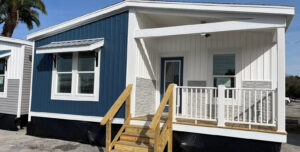
Silver Bay Alexa manufactured home model with navy blue and white siding, a covered front porch, white railings, wooden steps, and front windows.

A bold blue exterior makes the Alexa model easy to spot, with a covered porch ready for a chair or two.

A home purchase says quite a bit about how you want to spend your time, what you value in your space, and which comforts matter most to you. For some buyers, it’s a kitchen that makes cooking more enjoyable; for others, it’s a layout that suits their daily routines without adding unnecessary upkeep. Buying a new home at Silver Bay should leave you thinking about how you’ll use the space, with the price tag already accounted for.

And honestly, the best part of homebuying should be getting to know the place you’ll call home, not playing detective with a stack of paperwork. Ask the questions, get the specifics, and make your decision with the full picture in front of you. Then you can spend your energy on the fun decisions, like what to hang above the sofa and which rug ties the room together.

Frequently Asked Questions

Can I finance a manufactured home at Silver Bay?

Yes, financing is available for manufactured homes at Silver Bay. Lenders who specialize in manufactured home loans can explain your options, down payment requirements, and monthly payments.

Do I own the land when I buy a new home at Silver Bay?

No. Residents own their manufactured homes and lease their homesites through monthly lot rent. Review the lease terms alongside the home price to understand your total housing costs.

Can I sell my manufactured home if I decide to move?

Homeowners own their manufactured homes and may be able to sell them, subject to Silver Bay’s applicable rules. Ask the community about current resale procedures and any requirements for prospective buyers before listing your home.

What happens if I want to move out of Silver Bay?

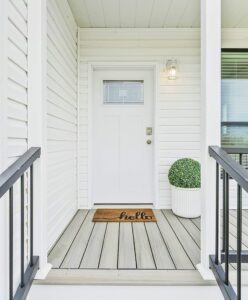
Front porch of a Silver Bay manufactured home with white siding, gray decking, black railings, a white entry door, and a potted green plant.

The front porch may be a small part of the home, but its design contributes to the exterior’s overall look.

Contact Silver Bay to confirm notice requirements, lot-lease terms, and the procedures for selling or removing your home. Ask about any applicable fees or deadlines before making moving plans.

From Home Plans to Move-In Day

Buying a new home at Silver Bay comes with plenty of decisions, and some are a lot more fun than others. Think about the colors you love, the furniture you want to bring along, and how you’d use each room on an ordinary Tuesday. There’s a lot to plan before move-in day, and the details behind your home order shouldn’t be a mystery.

Bring your questions, your wish list, and even the details you’re still unsure about. Our team can walk you through the buying process, explain the land-lease arrangement, and help you gather the information you need to plan your purchase. Contact us when you’re ready to get the conversation started.

Disclaimer: Every effort is made to ensure the accuracy of the information in this article. Please credit silverbaypalatka.com when sharing and reposting.
Filed Under: Budgeting, Community, Manufactured Homes Tagged With: active adult community Palatka, Modern manufactured homes, SilverBayPalatka

What Does It Mean to Own Your Home and Lease the Land at Silver Bay?

October 17, 2026 by madison

Gray and white manufactured home at Silver Bay Palatka with a covered front porch, driveway, and carport.

At Silver Bay, buying the manufactured home and leasing the homesite go hand in hand, with lot rent and homeowner responsibilities forming part of the decision.

Buying a home usually comes with a simple mental picture: you buy the house, you buy the land underneath it, and the two go together. Silver Bay works a little differently. Here, you can own your home and lease the land, which raises a very reasonable question about what that arrangement actually means for a homeowner.

The answer involves a few pieces that are easy to overlook when you first hear the phrase “lease the land.” Who owns the homesite? What does the monthly lot rent cover? Which expenses belong to the homeowner, and what happens if you decide to sell? Those details are important to sort out before you buy, so let’s break down how homeownership and a leased homesite work at Silver Bay.

The Short Answer

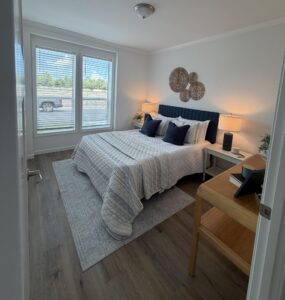
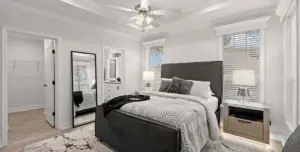
Manufactured home bedroom at Silver Bay with a queen-size bed, gray bedding, bedside lamps, sliding glass doors, and wood-look flooring.

The home you purchase at Silver Bay is yours to maintain and personalize, from the bedroom furnishings to the finishing touches that make the space feel like home.

The simplest way to think about Silver Bay’s ownership structure is that the home and the homesite are separate. You purchase and own the manufactured home itself, while Silver Bay owns the land and leases your homesite to you. The arrangement is straightforward once you separate those two pieces, but the details of what you own, what Silver Bay handles, and what your lease requires are where things get more specific.

What the Buyer Owns

Your purchase at Silver Bay centers on the manufactured home you select. The community currently has nine featured floor plans, ranging from about 1,029 to 1,600 square feet, with customization options available for buyers who want to personalize their home. Once purchased, that residence belongs to you, so the home is the property you’re acquiring through the sale. The homesite is handled under the community’s lot lease arrangement, which keeps the purchase focused on the residence rather than a piece of land.

What Silver Bay Owns

The land beneath your home remains Silver Bay property, along with the shared spaces that make up the community. Your purchase does not extend to the homesite or to community areas such as the clubhouse, pool, streets, and common grounds. Those spaces are outside the home purchase, keeping ownership of the residence and ownership of the surrounding property clearly divided. Fortunately, that also means less responsibility for you when it comes to maintaining the community around your home.

What Lot Rent Covers

Silver Bay clubhouse and pool area with outdoor seating.

Shared spaces like the Silver Bay clubhouse and pool are amenities you can enjoy without worrying about having to maintain them.

Lot rent is the monthly cost tied to the community around your home. Your payment takes care of the upkeep that keeps the shared grounds functioning, including mowing, irrigation, fertilizing, landscaping in common areas, and street lights. It also includes access to the clubhouse and pool, so those community spaces are part of your monthly costs without turning into extra work for homeowners.

Not every recurring housing expense falls under lot rent. Each home has its own water and electrical meter, and residents pay for their water usage and electricity. Those amounts will fluctuate with your household’s actual use, giving you another expense to account for when planning your monthly budget.

Resident Maintenance and Financial Responsibilities

Owning the home also means taking care of what happens under its roof and around its exterior. Repairs, routine maintenance, and the care of the area immediately surrounding your home are up to you as the homeowner. That gives you control over the condition of your residence, but you should also keep a budget for an occasional repair or maintenance expense as the years go by.

The same principle applies to the bills generated by your household. Since water and electricity are resident-paid expenses, costs such as repairs or improvements similarly depend on your home and the choices you make as an owner. In short, the lot rent handles the community side, while your home still comes with a few bills of its own.

Community Rules and the Lease Agreement

Silver Bay manufactured home white back porch facing green grass and lake.

A look at Silver Bay’s property map shows you the lots you can choose from for your home, whether you’d prefer a lake view or dense trees.

A few pages of fine print can answer some pretty important questions about living at Silver Bay. Your lease spells out the rental term, lot-rent amount, included services, and the rules that apply within the community.

Silver Bay keeps some of those expectations pretty simple. The community permits up to two small house pets per home, for example, but pets must remain leashed outdoors, and owners are responsible for cleaning up after them. Community rules can also address matters such as home modifications, parking, vehicles, and other conduct, so reading the agreement before signing lets you see exactly how the community operates. A few minutes with the lease may not sound exciting, but it beats learning a rule after it’s already been broken.

Selling a Home Located in the Community

While the address stays put, the homeowner can change. You own the manufactured home, so you can sell it when you decide to move on, even though the homesite remains under Silver Bay’s ownership. A new owner cannot simply pick up the keys and move in; they will still need to meet the community’s requirements before moving in. The current rules and lease documents are the right place to confirm what a buyer needs to do before the sale is finalized, so both sides know what comes next.

Questions to Ask Before Buying

By now, the basic ownership structure should feel much less mysterious, but a few other details belong in the “ask before you sign” category.

  • What will my total monthly housing costs look like after adding lot rent, utilities, insurance, and other regular expenses?
  • What does the lease say about renewal, and what happens if I want to remain in the community long term?
  • How much notice will I receive about changes to lot rent, services, or community rules?
  • Do I need approval before making additions or modifications to my home?
  • Are there restrictions on parking, guests, pets, or other aspects of daily life that I should know before buying?
  • What happens if I decide to sell my home in the future, and what does the next buyer need to do?
  • Are there fees associated with purchasing, moving in, selling, or transferring ownership of a home?
  • Are there any current community policies or lease provisions that I should read before signing?

Who Is a Good Fit for This Arrangement?

Mature couple holding golf club on green lawn.

A 55+ community is great for active adults who want to spend less time focusing on their home and more on the activities they love.

The biggest question may have nothing to do with square footage, lot rent, or floor plans. It comes down to how you feel about ownership. Some buyers like the idea of having their own home without taking on land and all the responsibilities that come with owning it. For them, less time spent managing the property around the home can mean more time enjoying the community, pursuing hobbies, and filling the week with activities they look forward to.

The flip side is just as important. A buyer who has always pictured homeownership as owning the house and the land beneath it may not love the idea of leasing a homesite. The same goes for someone who wants complete control over every inch of their property or would rather not have community rules in the mix. Neither preference is wrong, and sometimes the best way to know what you want from a home is to ask yourself what you would rather be doing with your Saturday morning.

What “Own Your Home and Lease the Land” Really Comes Down To

Owning a home and owning the land have always been treated like a package deal. Silver Bay separates the two, which may actually be the part that makes the concept click for some buyers. You still have a home to personalize, maintain, and call your own, but the land beneath it does not come with the purchase. For someone who would rather spend Sunday morning at the clubhouse than worrying about another patch of property, that trade may sound pretty appealing.

Ultimately, owning your home and leasing the land is a pretty simple idea once you strip away the terminology. Maybe you have always wanted a home of your own but never felt particularly excited about owning a whole piece of Florida along with it. Whatever the reasoning is, homeownership tends to feel better when it fits your life instead of asking you to fit your life around it.

Frequently Asked Questions

Can family members live with me at Silver Bay?

Only spouses, but at least one resident in each home must be 55 or older. A younger spouse may live with a qualifying resident.

Do I pay property taxes on a home at Silver Bay?

Silver Bay’s current cost information distinguishes property taxes from lot rent, since residents lease the land rather than purchase it. Your specific tax obligations should be confirmed with the local tax authority.

Can I leave my Silver Bay home to a family member?

You can leave your manufactured home to a family member, but ownership does not automatically grant the person residency in the community. They would need to meet Silver Bay’s requirements for living there.

Do I need homeowners insurance for a home at Silver Bay?

Yes, home insurance is one of the expenses homeowners should include in their budget. Your policy and coverage needs will depend on your manufactured home and personal belongings.

How does leasing the land affect the home’s resale value?

Owning your home and leasing the land does not prevent you from selling the home, but the buyer must meet Silver Bay’s requirements. The home’s condition, lot rent, lease terms, and local demand can all influence its resale value.

Image of a map of Florida with a red arrow pointing to Silver Bay in Palatka.

Located centrally in Florida, Silver Bay in Palatka offers both the tranquility of small-town life and proximity to major attractions.

Making Sense of Homeownership at Silver Bay

A home of your own comes with plenty to think about, but owning the land underneath it does not have to be part of that. Silver Bay gives you a community to be part of without asking you to take on every responsibility that comes with owning the property around it.

Curious what that looks like in real life? Contact us to talk with the Silver Bay team about available homes, current lot-rent details, and what life in the community could look like for you.

Disclaimer: Every effort is made to ensure the accuracy of the information in this article. Please credit silverbaypalatka.com when sharing and reposting.
Filed Under: Active Adult Living, Manufactured Homes Tagged With: manufactured homes Palatka FL, Qualifying for 55+ Community, SilverBayPalatka

How to Research a 55+ Community Before You Visit: What to Look for Online

September 11, 2026 by madison

Bright Silver Bay living room with two blue armchairs, a light sofa, coffee table, and large windows.

Seeing the homes online is a useful step when researching a 55+ community before your visit.

Before you spend two hours in the car touring a 55+ community, pull up a chair and do some digging from home. A community’s website is only the starting point. Reviews, maps, social media, sister communities, and a few well-placed questions can fill in plenty of blanks before you make the drive.

The goal isn’t to become an overnight real estate detective. It’s to figure out what a community actually has to offer, how much information it shares, and which questions still need an answer. Here’s how to research a 55+ community online without spending hours falling down a Google rabbit hole, so you can show up to your visit knowing what you’re looking at and what you still need to find out.

Start With the Website

White Silver Bay home with a covered front porch, black railing, large windows, landscaped flower beds, and stone walkway.

Where can I buy a new manufactured home in Palatka, FL?

A community’s website is your first stop because it should answer a lot of your basic questions before you ever pick up the phone. Start by looking for real photos of the community, not a collection of generic stock images that could belong anywhere. You want to see the homes, common areas, amenities, streets, and surrounding spaces you’ll actually encounter during a visit.

Next, check how specific the information is. A list that says “resort-style amenities” doesn’t tell you much. A useful website spells out what’s there, such as a pool, clubhouse, fitness area, walking paths, or other shared spaces. The same goes for the homes. Look for floor plans that include dimensions, layouts, available features, and pricing. Silver Bay’s floor plans give prospective residents a way to see the homes before scheduling a visit.

Then dig into the FAQ. This is where you may find answers about community rules, costs, pets, ownership, and other details that aren't obvious from an amenities page. Pay attention to what the site answers directly and what it leaves unanswered. You should also be able to find clear contact information, including a phone number or contact form, without having to hunt through six menus.

Check Google Reviews and Facebook

Once you’ve gone through the community’s website, see what residents and visitors have to say elsewhere. A Google search for the community should bring up its business listing and resident reviews. Facebook adds another source, including the community’s official page, resident comments, and local groups where people discuss the area.

The star rating only tells you so much, while detailed reviews that mention management, communication, maintenance, amenities, or daily experiences provide useful context. Newer communities may have only a few reviews simply because they haven’t been open long enough to accumulate more.

Look at the Sister Communities

A newer community might not have years of reviews to read, but its management team could have a longer track record at another property. Silver Bay and Villa Farms are sister communities under the same ownership, giving prospective Silver Bay residents another source of resident feedback to investigate.

Villa Farms residents have praised the management team’s responsiveness, the upkeep of the grounds and facilities, and the social atmosphere. Other testimonials mention the pool, walking, activities, and welcoming neighbors. Those comments don't predict exactly what your experience at Silver Bay will be, but they give you specific areas to think about before your visit. Pair those resident notes with the information on the website and Silver Bay’s FAQs to see how resident feedback fits with what you find online.

Research the Location Independently

how to research 55+ community online

Located centrally in Florida, Silver Bay in Palatka offers both the tranquility of small-town life and proximity to major attractions.

A community’s website will naturally highlight nearby attractions, but Google Maps lets you verify the location independently. Pull up grocery stores, pharmacies, doctors, hospitals, restaurants, parks, museums, and recreation areas, then note the actual drive times from the community. That gives you a realistic idea of how close the places you rely on are.

Sometimes proximity to family is just as important as where the nearest hospital is. Enter the addresses of children, grandchildren, siblings, or other relatives you expect to visit regularly and see how long the drive takes. The complete guide to 55+ communities covers broader factors to consider when evaluating communities in Florida, while location research shows how a particular address fits into your day-to-day plans.

What to Ask in Your First Phone Call or Email

By this point, you should have a decent list of what the community says online. Your first call or email is where you confirm the information that changes monthly, including availability, the price range for available homes, and the current lot rent amount.

Your own priorities might bring up additional questions, such as the pet policy and what the current move-in timeline looks like. A community’s website could cover some of these topics, but staff can confirm what applies right now. For a longer list of questions to bring into the process, see what to ask when touring a 55+ community.

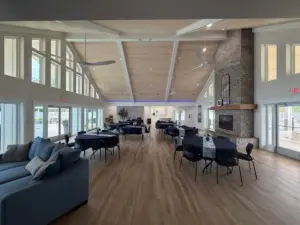
Spacious Silver Bay clubhouse interior with lounge seating, dining tables, large windows, and a stone fireplace.

How much does it cost to live in a 55+ manufactured home community in Florida?

Red Flags to Watch For

A little skepticism is useful when you’re researching a community online. Vague answers about costs should give you pause, especially when you’re trying to pin down home prices, lot rent, or other recurring expenses. A website that relies on stock photography instead of showing the actual community also leaves you with less information to work with.

Management history is worth investigating when a community is newer. You should be able to find some indication of who runs the property and whether they have experience operating other communities.

None of these signs automatically means a community is a bad fit. They simply point to information gaps that need to be addressed before you consider an in-person visit. A community that answers questions directly and shares specific information makes the research process much easier.

How to Research a 55+ Community Online: Before You Hit the Road

The internet won't tell you everything about a community. It can, however, tell you plenty before you put miles on the car. Knowing how to research a 55+ community online means getting familiar with the basics first: home prices, resident feedback, nearby healthcare and attractions, management history, and the information the community shares about itself.

You don't need 37 browser tabs open or a spreadsheet worthy of a detective's office. A little homework can give you a solid starting point and help you make the most of your visit. Then, when you arrive, you can spend your time noticing the things a screen can't capture, from the condition of the grounds to how staff interacts with you.

Frequently Asked Questions

How do I find a good 55+ community in Florida?

Silver Bay clubhouse and pool area with outdoor seating.

Are there affordable 55+ communities near Jacksonville, Florida?

Start by narrowing your search geographically. Think about the cities or regions where you would actually want to live. Then compare communities based on their location, housing style, amenities, costs, and proximity to the people and places that are important to you.

What should I look for when researching a retirement community?

Look at the details that tell you what daily life might be like. Photos can show the condition and appearance of shared spaces, floor plans show how homes are laid out, and amenity information tells you what is available on-site. The community’s FAQ can also answer practical questions before you contact staff.

Are there reviews for Silver Bay Palatka?

Silver Bay is newer, so its own collection of resident reviews is still growing. Villa Farms, a sister community under the same ownership, has resident testimonials discussing management responsiveness, grounds and facility upkeep, activities, and the social atmosphere. Those experiences give prospective residents another source to consider while researching Silver Bay.

How do I know if a 55+ community is reputable?

Pay attention to how much information is available and how specific it is. Clear pricing, real photos, identifiable management, current contact information, and a history that can be verified through related communities all make it easier to assess how transparent the operation is.

What questions should I ask a 55+ community before visiting?

Ask about anything that could affect your plans to move, including current home availability, price range, lot rent, pet policies, and move-in timing. Knowing how to research a 55+ community online also means identifying gaps in the information before you schedule a visit, rather than waiting until you arrive to learn the basics.

When Your Research Leads to a Visit

Bright Silver Bay kitchen with white cabinets, stainless steel appliances, a large center island, and adjacent dining area.

Are there pet-friendly manufactured home communities in Palatka, Florida?

By now, you know how to research a 55+ community online, and Silver Bay makes that process easy with a detailed website, FAQ page, and staff who are ready to provide answers. You can gather whatever pressing information you need from home before deciding whether a visit makes sense.

Once you’ve got a feel for the community online, come see Silver Bay for yourself. Schedule a tour and take your research from the screen to the community.

Disclaimer: Every effort is made to ensure the accuracy of the information in this article. Please credit silverbaypalatka.com when sharing and reposting.

Filed Under: Active Adult Living, Community Tagged With: Active Senior Living, Questions to ask, SilverBayPalatka

Renting vs. Owning in a 55+ Community: Which Makes More Financial Sense?

September 4, 2026 by madison

Silver Bay model manufactured home with a covered carport, front porch, landscaped yard, and wooded area behind it.

What are the benefits of living in a 55+ community in Northeast Florida?

A monthly housing payment tells you what leaves your bank account. It doesn’t tell you what you have to show for that money five or 10 years down the road. That difference matters when you are comparing rental communities, traditional homeownership, and a 55+ community such as Silver Bay.

Renting keeps the upfront cost down, but the money going toward rent does not build equity in your home. Buying a traditional house gives you ownership of the house and land, yet you also take on property taxes, maintenance, and the larger purchase price that comes with owning both. Silver Bay takes a middle route: you purchase the home, lease the land, and build equity in the home while paying a monthly lot lease. That makes renting vs owning in a 55+ community retirement more than a question of which monthly payment looks lower.

Pure Renting: The Flexibility Argument

Furnished interior of a Silver Bay model home with a desk, chairs, ceiling fan, artwork, and neutral decor.

What are the best 55+ living options near St. Augustine, Florida?

Renting has a straightforward appeal. You pay for the time you live there, then you leave when the lease ends. You do not need to come up with a large purchase price, and selling a property is not something you have to worry about later.

The tradeoff shows up over time. Rent payments do not build equity, and rent increases can raise your housing costs without increasing your ownership stake. A rental home also comes with limits on changes you can make, since major updates usually depend on the property owner's rules and approval.

Traditional Homeownership in Retirement: What You Keep

Buying a traditional home gives you ownership of both the house and the land beneath it. Mortgage payments may build equity, and once the mortgage is paid off, the property itself remains an asset you can sell, leave to family, or use as part of your financial plans. You also have much more control over the property, from renovations and landscaping to the way you use each room.

That ownership comes with a longer list of bills and responsibilities. Property taxes are part of the cost of owning the home, and you are responsible for repairs, maintenance, landscaping, and major expenses as the property ages.

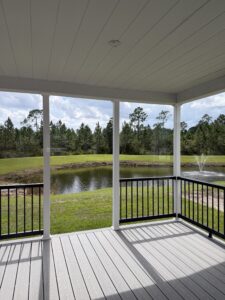
Covered porch at Silver Bay overlooking a pond and wooded landscape.

What should I know before buying a manufactured home in a land-lease community in Florida?

Traditional homeownership also does not automatically put you in a 55+ community. You may have control over your property while handling the social side of retirement on your own. Having a built-in community changes that by putting neighbors, shared spaces, and social activities right in the neighborhood.

The Silver Bay Model: Own the Home, Lease the Land

Silver Bay works differently from both a rental community and a traditional neighborhood. You purchase your manufactured home, but you do not purchase the land beneath it. Instead, residents pay a monthly lot lease for their homesite.

That setup lowers the amount needed to get into homeownership because the purchase price covers the home rather than a house and a parcel of land together. The home is entirely yours, and as you pay for it, you build equity in the property.

The monthly lot lease is a separate expense. It covers the use of your homesite and is part of what it costs to live at Silver Bay, while the home itself remains your property. The financial side also becomes easier to follow once you look at the two costs individually. Your home is an asset you may eventually sell, while the lot lease is a housing expense.

Side-by-Side Cost Comparison

CategoryRenting in a 55+ Community*Owning at Silver Bay**Traditional Homeownership
Starting purchase / down payment$0$45,000$39,976
Starting monthly housing cost$1,379$1,758$1,810
Estimated 10-year cash paid$172,345$255,950$280,000
What you own after 10 yearsNothingThe homeThe home and land


Housing costs also include expenses that do not show up in a basic monthly rent or mortgage figure. The difference between lot rent vs HOA fees vs property taxes comes down to who owns the property and which costs fall on the resident.

Which Model Is Right for Different Situations

Start by evaluating your budget. Renting may appeal to a household that wants to keep more savings available rather than putting money into a home. Buying requires more money upfront, but those payments go toward an owned property. Monthly expenses also belong in the calculation, especially taxes, insurance, maintenance, lot rent, and rent increases.

Swimming pool and pool deck at Silver Bay, with lounge seating, a covered area, and community buildings surrounding the pool.

Where can I buy a new manufactured home in Palatka, FL?

Next, think about how long you expect to stay. A move within a few years may make renting easier to justify. A longer stay gives an owned home more time to build equity. The maintenance side fits naturally into the ownership question, since renters can call the landlord when something breaks while homeowners take on the repairs themselves.

Family plans can shift the decision, too. A household hoping to leave a property to children may place more value on ownership, while a future move closer to family could make flexibility more important.

For buyers who want to own the home without purchasing the land, 55+ communities like Silver Bay are the perfect option. You own the manufactured home and build equity in it, while leasing the land keeps the purchase from including a homesite. The Silver Bay floor plans give you a chance to see what that ownership model looks like in practice.

Renting vs Owning 55+ Community Retirement: Which Fits You?

The biggest surprise in this comparison may be how little the word rent tells you about the actual cost of housing. A lower monthly payment does not automatically mean you spend less over a decade, just as a higher payment does not mean you are making a better investment. The money has to be viewed alongside your long-term retirement goals.

That makes the renting vs owning in a 55+ community retirement question less about picking a winner and more about deciding where you want your housing dollars to land. Silver Bay puts homeownership on the table without requiring a land purchase. Our complete guide to 55+ communities takes that comparison outside the price tag and into the details of how these communities actually work.

Frequently Asked Questions

Do you own your home in a manufactured home community?

Yes. In a land-lease community such as Silver Bay, you own the manufactured home you purchase while leasing the land beneath it. The home is your property, and you may build equity as you pay down any financing.

Is lot rent the same as renting?

No. Lot rent covers the use of the land where your manufactured home sits. Renting a home means you pay for the right to live in the home itself without owning it. With lot rent, the home remains yours.

Can you build equity in a manufactured home?

Yes. A manufactured home is an owned asset, so you can build equity as you pay down the loan. Changes in the home's value can also affect your equity over time.

What happens to your home when you leave a 55+ community?

That depends on the community and how the home is sold. At Silver Bay, a resident who moves can sell the manufactured home, subject to the community's applicable rules and requirements. The land remains with the community because residents lease their homesites rather than own them.

Is it worth buying a manufactured home in a 55+ community?

For someone comparing renting vs owning in a 55+ community retirement, buying may make sense when you plan to stay long enough to build equity and want an owned home rather than a rental. Silver Bay also separates the home purchase from the land, which changes the upfront cost and ongoing expenses.

historic downtown palatka img

How much does it cost to live in a 55+ manufactured home community in Florida?

Ready to Compare Your Options?

A move into a 55+ community is a financial decision, but it is also a practical one. The way you spend your money affects how much responsibility you carry, how much flexibility you have later, and what you can do with the rest of your budget. Your housing choice should do more than make sense on paper and also feel workable in real life.

Still weighing renting vs owning 55+ community retirement housing? Contact Silver Bay to talk through our ownership model, current home availability, and what the numbers could look like for you.

Disclaimer: Every effort is made to ensure the accuracy of the information in this article. Please credit silverbaypalatka.com when sharing and reposting.
Filed Under: Budgeting, Community Tagged With: Active Senior Living, retirement, SilverBayPalatka

Planning Retirement Housing Costs at 55: Getting an Early Start

August 14, 2026 by madison

Silver Bay clubhouse and pool area with outdoor seating.

Silver Bay’s clubhouse and pool offer a look at the community amenities worth factoring into your retirement housing research.

Housing is one of the biggest retirement expenses you'll plan for, yet it's surprisingly easy to leave it until the last minute. Many people don't begin comparing communities, home prices, or monthly costs until they've already decided it's time to move. By then, the timeline is driving the decision instead of the other way around.

That's why planning retirement housing costs early gives you an advantage. Starting your research a few years before retirement creates room to compare housing expenses, evaluate communities, and understand how each option fits into your long-term budget. Rather than making decisions under a tight timeline, you have the freedom to weigh your choices carefully and choose a home that truly fits your financial plans.

Why Retirement Housing Costs Are Different From What You're Used To

Senior couple reviewing household bills and financial documents together on a laptop at home

Senior couple managing household finances and reviewing retirement budget documents together at home.

Housing costs don't retire when you do, but the way you budget for them changes. During your working years, an unexpected repair or a seasonal increase in utility costs may be manageable. Once you're living on retirement income, those same expenses become part of your lasting monthly budget, making consistency more valuable than ever.

Traditional homeownership usually includes a mortgage, property taxes, homeowners insurance, along with ongoing maintenance. Even after a mortgage is paid off, regular upkeep continues, from replacing a roof to maintaining the yard and keeping the exterior in good condition.

Manufactured home communities such as Silver Bay use a different cost structure. Instead of paying a mortgage on both the home and the land, residents purchase the home and pay a monthly lot rent for the homesite and community amenities. If you're unfamiliar with how all these expenses compare, our guide to lot rent vs HOA fees vs property taxes explains in more detail.

The Financial Advantages of Planning Early

Starting your search a few years before retirement gives you a wider selection of homes to consider. Popular floor plans and desirable homesites don't always remain available indefinitely, so researching communities early gives you more flexibility.

An extended timeline benefits your finances as well. There would be no rush to list your current home because retirement is only weeks away, and you'd have time to watch the market and prepare your home for sale. It also gives you the chance to work with your financial advisor to understand how the proceeds fit into your retirement income strategy while comparing current home prices and monthly housing costs.

What to Budget for in a 55+ Manufactured Home Community

Silver Springs 5006 manufactured home with screened front porch and landscaped yard at Silver Bay

The Silver Springs 5006 pairs a spacious screened porch with a landscaped yard and inviting outdoor living space.

Creating a retirement housing budget starts with factoring in every recurring expense, not just the purchase price. At Silver Bay, new manufactured homes generally range from $225,000 to $250,000, depending on the floor plan, size, features, and location within the community. Considering those factors together and browsing the available Silver Bay floor plans is a more realistic starting point than focusing on a single listing price.

Beyond the home itself, you'll also want to budget for monthly lot rent, utilities, homeowners insurance, and routine home maintenance. Annual projects like refreshing mulch, pressure washing the exterior, and other seasonal upkeep are still part of homeownership, even in a maintenance-focused community. For a closer breakdown of recurring expenses, see what it costs to live at Silver Bay before building your retirement budget.

How to Compare the Cost of Staying vs. Moving

Start by listing the expenses tied to your current home. Include your mortgage or remaining loan balance, property taxes, homeowners insurance, utilities, lawn care, and routine maintenance. Larger projects, such as replacing a roof or updating an HVAC system, should also be included even if they only come up every few years.

Then compare those figures with a 55+ manufactured home community like Silver Bay. Along with the purchase price of the home, include monthly lot rent, utilities, homeowners insurance, and any ongoing maintenance that remains your responsibility. Because many exterior services and community amenities are covered through lot rent, the overall cost structure may look quite different from maintaining a larger traditional home. Writing these expenses down side by side highlights where your money is going today and how those costs might change if you decide to move.

Questions to Ask a Financial Advisor Before You Decide

  • How much of my retirement income should realistically be allocated to housing each month?
  • How would selling my current home affect my retirement savings and long-term financial plan?
  • Should I use proceeds from my home sale toward purchasing my next home, or are there other strategies worth discussing?
  • How would a move affect my monthly cash flow during retirement?
  • Are there tax considerations I should be aware of before buying a manufactured home?
  • Based on my retirement income, what housing budget would leave room for travel, hobbies, healthcare, and other priorities?

Planning Retirement Housing Costs Early Is Really About Buying Yourself Time

Retired couple sitting outdoors and talking together during a sunny afternoon

Retirement housing decisions are more than monthly costs. It means finding the right space for the activities and experiences that matter to you.

Time is something you can't add back to your retirement planning once important decisions begin stacking up. Researching housing a few years ahead of retirement gives you time to compare costs, organize your finances, and evaluate your options on a schedule that works for you.

Housing costs are only one part of planning retirement housing costs early. Our complete guide to 55+ communities explains the community features and living arrangements that numbers alone can't show. The more complete your research, the easier it becomes to treat your future home as part of your retirement plan instead of an afterthought.

Frequently Asked Questions

When should I start planning retirement housing?

Starting two to three years before retirement gives you time to research communities, organize your finances, and compare housing options. Planning retirement housing costs early also makes it easier to see how future housing expenses fit into your retirement budget.

How much should I budget for housing in retirement?

Your budget should include the home purchase, monthly housing costs, utilities, insurance, and ongoing maintenance. Looking at every expense creates a more accurate estimate than focusing on a single monthly payment.

Is it cheaper to own a manufactured home than a traditional home in retirement?

It depends on your current housing costs. Comparing taxes, insurance, utilities, maintenance, and monthly community costs provides a more complete picture than comparing home prices alone.

How does downsizing affect my retirement savings?

Downsizing may reduce ongoing housing expenses and free up equity from your current home. A financial advisor can help you determine how that fits into your retirement plan.

Can I afford to retire at 55?

That depends on your retirement savings, expected income, healthcare costs, housing expenses, and overall financial plan. Taking time to review those factors can help you decide whether retiring at 55 is financially realistic.

Map showing Silver Bay in Palatka, Florida, with its location marked in relation to cities across the state

Located centrally in Florida, Silver Bay in Palatka offers both the tranquility of small-town life and proximity to major attractions.

Good Decisions Start With Good Information

One of the easiest parts of planning retirement housing costs early is asking questions before making the move. Learning about pricing, current availability, and housing options today doesn't commit you to anything, but it can make future decisions easier.

Ready to continue your search? Contact Silver Bay to learn about our active adult community. We're happy to answer your questions and help you decide whether Silver Bay is the right match for your retirement plans.

Disclaimer: Every effort is made to ensure the accuracy of the information in this article. Please credit silverbaypalatka.com when sharing and reposting.
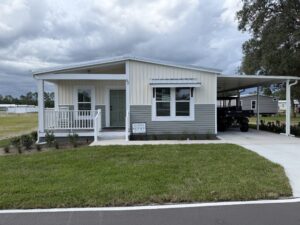
Filed Under: Active Adult Living, Budgeting Tagged With: Active Living, retirement, SilverBayPalatka

What Does “Care-Free Living” In a 55+ Community Mean?

August 7, 2026 by madison

Exterior of the Cottage Farmhouse home model at Silver Bay in Palatka, Florida.

The Cottage Farmhouse home model reflects the balance of private homeownership and community-maintained surroundings at Silver Bay.

The phrase “care-free living” in a 55+ community appears everywhere, but it doesn't always come with a clear explanation. Some people assume it means every repair is handled for them. Others picture never touching a lawn mower again. The truth falls somewhere in between, and knowing exactly where those responsibilities begin and end makes it easier to decide whether this style of living is the right fit.

At Silver Bay, care-free living means saying goodbye to many of the routine outdoor chores that fill weekends and add recurring expenses, while enjoying the independence that comes with owning your home. You'll still have responsibilities as a homeowner, and that's by design. This guide walks through what Silver Bay takes care of, what remains in your hands, and why that balance works so well for many residents.

What Silver Bay Takes Care Of

Lawn Mowing

Keeping a lawn looking neat takes regular attention in Florida's growing season. Lawn mowing is handled every seven to ten days, depending on the weather and growing conditions. You won't need to own a mower, sharpen blades, or wonder when it's time for the next cut.

Irrigation System Operation

Florida lawns need consistent watering, but keeping an irrigation system running properly takes planning. Silver Bay manages the operation of the community irrigation system, helping keep the landscaping healthy without residents needing to adjust watering schedules themselves.

Fertilizing

Healthy grass doesn't happen by accident. The community follows a fertilization schedule throughout the year to support the appearance and health of the lawns, eliminating another seasonal task from your to-do list.

Clubhouse Upkeep

The clubhouse is maintained by the community, from routine cleaning to general upkeep. That means the shared gathering spaces of Silver Bay’s amenities are ready for residents without anyone volunteering to organize maintenance days or coordinate repairs.

Close up image of a community pool.

Shared amenities like the community pool are managed by Silver Bay, giving residents one less thing to think about.

Pool Maintenance

A swimming pool comes with regular cleaning, water testing, and equipment checks. Silver Bay handles those responsibilities, so residents can simply enjoy the pool instead of taking care of it.

Common Area Landscaping

Landscaping throughout the community is professionally maintained to keep shared spaces looking neat and welcoming year-round. Trees, shrubs, flower beds, and other common areas receive ongoing care as part of the community's maintenance program.

Street Lights

Community street lights are monitored and maintained by Silver Bay. Residents don't have to track down the right person to report outages or arrange repairs for shared lighting throughout the neighborhood.

What You're Responsible For

Owning your home comes with a handful of ongoing tasks, even in a community where many outdoor chores are handled for you. Here's what stays on your to-do list.

Interior Home Maintenance

Routine upkeep inside your home remains yours to manage. That includes replacing fixtures or appliances as needed and addressing plumbing, electrical, or HVAC issues that arise over time.

Bedroom inside the Silver Springs 5046 home model at Silver Bay in Palatka, Florida, featuring a spacious layout, bright windows, and modern finishes.

Owning your home means making it your own, from everyday upkeep to future updates that reflect your personal style.

Exterior Home Maintenance

Painting, exterior repairs, and general upkeep help keep your home looking its best. You'll also decide when it's time for cosmetic updates or improvements.

Annual Mulching

To keep each homesite looking its best, residents refresh the mulch around their home each year. It's a simple seasonal project that complements the professionally maintained community landscaping.

Annual Pressure Washing

An annual pressure washing helps remove dirt, pollen, and mildew that naturally build up in Florida's climate. Scheduling that cleaning protects your home's exterior and keeps it looking fresh.

Utilities

Utilities are separate from lot rent. Water and electricity are both individually metered, and you'll receive bills based on your home's usage.

Home Repairs

Every home needs occasional repairs, whether it's replacing a water heater, repairing a roof component, or fixing an appliance. Setting aside time and a budget for those projects comes with homeownership, regardless of where you live.

Why This Model Works for Retirees

Retired couple calculating monthly home budget with bills and calculator at wooden table

Retired couple calculating monthly expenses and reviewing a home budget for retirement financial planning.

Hiring professionals for lawn care, landscaping, and pool maintenance adds up over the course of a year. That's especially true in Florida, where grass grows quickly, and outdoor spaces need regular attention. Here's a look at what those services commonly cost each year:

  • Lawn mowing: Approximately $1,200 to $2,400 annually for weekly or biweekly service.
  • Fertilization and lawn treatments: Around $300 to $800 per year.
  • Pest control: Roughly $400 to $800 annually for routine treatments.
  • Pool maintenance: About $1,200 to $2,400 each year for regular cleaning and chemical balancing, if you own a pool.
  • Landscape maintenance: Seasonal trimming, mulch installation, and other landscape services can add several hundred dollars more throughout the year.

The result of a care-free community isn't just money saved. It's one less appointment that needs scheduling, fewer invoices to keep track of, and more time to spend on the activities that brought you to Florida in the first place.

What "Care-Free" Doesn't Mean

It's just as important to understand what isn't included as it is to know what is. With Silver Bay, you own your home while the community handles lawn mowing and the upkeep of shared spaces. That combination gives you greater freedom without giving up the independence that comes with homeownership. You're still free to personalize your home, decide when updates are made, and maintain it in the way that works best for you.

Questions about care-free living are also closely tied to how lot rent works. If you're wondering how those costs compare to other types of communities, our guide to lot rent vs HOA fees explained breaks down the differences and explains what to expect at Silver Bay.

Silver Bay’s Handyman Services

Handyman using a cordless drill while completing a home maintenance project inside a house.

Manufactured Homes for 55+ Living in Palatka, FL

After learning what's included with care-free living, it's natural to wonder what happens when a small project pops up around the house. Things like changing a light fixture, replacing a faucet, or tackling another minor repair are common questions from prospective residents.

Silver Bay looks for ways to go above and beyond the standard services included with lot rent. While homeowner maintenance remains your responsibility, additional assistance through our handyman services may be available for certain projects or situations. Still have a few questions? The Silver Bay FAQ covers everything from community amenities to homeownership and other helpful details.

Is Care-Free Living in a 55+ Community Right for You?

A care-free living 55+ community brings together the convenience of shared community services with the independence of homeownership. Silver Bay handles many of the outdoor tasks that come with neighborhood upkeep, while homeowners continue maintaining their own home, utilities, and repairs.

Discovering what lot rent covers at Silver Bay is another helpful step toward deciding whether a 55+ community is the right fit for your retirement plans. The more you understand about both the benefits and your responsibilities, the easier it becomes to compare your options.

Frequently Asked Questions

Does Silver Bay mow the lawn?

Yes. Silver Bay provides lawn mowing approximately every seven to ten days, depending on weather and growing conditions.

Who pays for utilities at Silver Bay?

Water and electricity are separate from lot rent. Both utilities are individually metered, so each homeowner pays for their own usage.

What maintenance am I responsible for in a care-free living 55+ community?

While the community handles many outdoor maintenance tasks, homeowners continue caring for their own home. That includes the interior and exterior, annual mulching, annual pressure washing, utilities, and repairs that arise over time.

Does lot rent include internet and cable at Silver Bay?

Internet and cable availability should be confirmed with the Silver Bay team, as services and inclusions may change. They'll be able to explain exactly what's included in your monthly lot rent.

What is included in lot rent at Silver Bay?

Lot rent includes community services such as lawn mowing, irrigation system operation, fertilization, common area landscaping, clubhouse upkeep, pool maintenance, and street light maintenance.

Ready to Take a Look?

Residents playing pickleball on an outdoor court at Silver Bay in Palatka, Florida.

With less time spent on lawn care and shared community upkeep, there's more time for the activities you love.

A care-free living 55+ community isn't something you fully appreciate from a checklist alone. Experiencing the community in person gives you a better sense of how everything works together, from the neighborhood itself to the responsibilities that come with homeownership.

Schedule a tour of Silver Bay, take your time looking around, and ask about anything that's still on your mind. Nothing replaces walking the community and seeing a care-free lifestyle in action.

Disclaimer: Every effort is made to ensure the accuracy of the information in this article. Please credit silverbaypalatka.com when sharing and reposting.
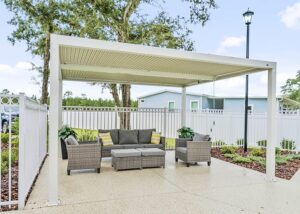
Filed Under: Active Adult Living, Community Tagged With: Active Senior Living, retirement, SilverBayPalatka

Moving to a 55+ Community After Losing a Spouse: Finding Community Again

July 24, 2026 by madison

An elderly couple, outdoors sharing a hot cup of liquid (maybe tea or coffee).

Meaningful connections with neighbors can help make a new community feel familiar over time.

Life has a way of changing how we see familiar places. A home that worked well for many years may begin to raise new questions, especially when you're living there on your own. For some people, moving 55+ community after losing spouse becomes a search that starts with practical considerations rather than a firm decision. Looking into a move doesn't mean you're ready to make one. It simply means you're exploring what life could look like and whether your current home still supports that.

It's easy to focus on the home when you're weighing a move. Once you're settled in, though, your days aren't spent thinking about the house. They're spent living in the neighborhood. Seeing familiar faces on a morning walk, stopping to chat with a neighbor, or simply recognizing the people you pass each day can quietly become part of what makes a place feel like home.

The Practical Reality of Managing a Home Alone

A home holds memories, but it also comes with responsibilities that continue year after year. Routine maintenance, seasonal yard work, unexpected repairs, and household expenses still need attention, and those tasks can feel different when there is no one else to divide them with.

The neighborhood around your home matters just as much as the home itself. You might think about having someone who could lend a hand with a project, recommend a trusted repair company, or notice when something seems out of the ordinary. Small acts of neighborly support are reminders that the people around you are there when you need them.

Why Social Connection Matters More Than Ever

A group of elderly adults with their arms wrapped around each other's shoulders, kicking up their legs in a dance.

florida retirement communities

Spending time with other people has long been linked to better physical and emotional health, and that becomes especially important after the loss of a spouse. That older adults experiencing prolonged loneliness are at greater risk for depression, cognitive decline, heart disease, and other health concerns.

A neighborhood and a community aren't always the same thing. You can live on a street for years without really knowing the people around you. A community grows through repeated, everyday interactions. It's seeing the same faces at the mailbox, chatting over coffee in the clubhouse, or waving to someone on an evening walk until those brief conversations become familiar.

That's one reason many people find that making connections feels more natural in a 55+ community. Shared spaces and organized activities create opportunities to see the same neighbors again and again without the pressure of forcing friendships. We talk more about that in our article on making new friends after retirement.

What to Look for in a 55+ Community When You're on Your Own

A home that's easy to move around in can make a noticeable difference. Many retirees appreciate single-story floor plans that don't require climbing stairs throughout the day, along with a manageable amount of indoor and outdoor upkeep. A welcoming social calendar gives you the freedom to join activities when they sound enjoyable and skip them when they don't. The best communities never make participation feel like an expectation. They create easy ways for neighbors to get to know one another.

It's also worth thinking about location. Living within a comfortable drive of family, longtime friends, healthcare providers, or favorite places can make a move feel less like starting over and more like building on the life you've already created.

As you compare communities, pay attention to the things that are harder to see on a brochure. Are neighbors stopping to talk with one another? Do shared spaces feel inviting? Can you picture yourself settling into a routine that feels comfortable? Those details can tell you just as much as a floor plan or list of amenities when deciding if a 55+ community is right for you.

What Community Life Looks Like Day-to-Day

A couple of senior citizens playing cards

Maintaining friendships in retirement doesn't need to be hard when a 55+ community creates activity opportunities for you.

One morning might begin with a walk through the neighborhood before the Florida heat settles in. Another could start with coffee at the clubhouse, where conversations pick up right where they left off the day before. Some afternoons bring organized activities, while others are spent relaxing at home or catching up with neighbors outside. The Silver Bay amenities and community life make it easy to fill your week with as much activity or quiet time as you prefer.

The clubhouse stays active throughout the week with bingo, card games, puzzles, and other gatherings that bring residents together. Pickleball courts, the swimming pool, and outdoor gathering spaces give residents more places to be active. The community library, fire pit, and grills offer quieter ways to spend time with friends or unwind close to home.

The variety means there's always something happening without making the calendar feel overwhelming. Shared spaces matter because they give neighbors a reason to cross paths, something residents at our sister community, Villa Farms, have appreciated as well.

Taking the Step at Your Own Pace

A move doesn't have to begin with packing boxes. It can start with a visit, a conversation, or an afternoon spent getting to know a community. Many people return more than once before deciding anything, giving themselves time to see things they may have missed the first time around.

Bringing a family member or trusted friend can also change the experience. They may spot details you overlook, ask questions you hadn't considered, or simply make the visit feel a little less overwhelming. There's nothing wrong with taking notes, comparing impressions afterward, or sleeping on what you've seen before deciding what comes next. When you're ready, our complete guide to 55+ communities is available if you'd like to spend a little more time learning before visiting a community.

Considering a Move After Loss

Moving to a 55+ community after losing a spouse is a deeply personal decision, and there's no single way to approach it. A home that's easier to care for can make life simpler, but the people around you matter, too. Familiar neighbors, shared spaces, and opportunities to spend time with others are all part of what makes a place feel comfortable.

Taking time to read, visit communities, talk with family, and think things through are all normal parts of the process. There's no need to have every answer today. If and when you're ready to visit, Silver Bay will be here to welcome you.

Frequently Asked Questions

Is a 55+ community good for a single person?

Yes. Many single residents choose 55+ communities because shared spaces, activities, and casual conversations make it easier to connect with neighbors while still maintaining independence.

What is the minimum age to live in a 55+ community in Florida?

Most 55+ communities require at least one person in the household to be 55+ years old, though rules vary by community.

Are 55+ communities safe for people living alone?

Many people living alone appreciate the added sense of security that can come from having neighbors nearby and a community where people know one another. Features like well-maintained shared spaces, neighborhood lighting, and regular interaction with other residents can make a 55+ community feel more comfortable for single residents.

Can I move to a 55+ community if I'm recently widowed?

Yes. Many people consider a 55+ community after losing a spouse because they are looking for a home that is easier to maintain and a place where they can establish new routines. Visiting communities and involving family members can make the decision easier to navigate.

What support do 55+ communities offer for residents living alone?

A middle aged man and woman sitting on either side of a fire pit having pleasant conversation.

From the clubhouse to the pool and fire pits, shared amenities make it easy to enjoy time with neighbors whenever you choose.

55+ communities are not assisted living facilities, but they can offer social and practical benefits for independent residents. Shared spaces, activities, maintenance services, and neighbors nearby can make day-to-day life feel more connected.

Moving to a 55+ Community After Losing a Spouse: A Personal Choice

For those considering moving to a 55+ community after losing a spouse, taking the time to understand what matters most in a new home and neighborhood can make the decision feel more manageable.

At Silver Bay Palatka, you can visit the community, meet residents, and get a sense of daily life before making any decisions. If you're curious about what life here looks like, you're welcome to contact us whenever the time feels right.

Disclaimer: Every effort is made to ensure the accuracy of the information in this article. Please credit silverbaypalatka.com when sharing and reposting.
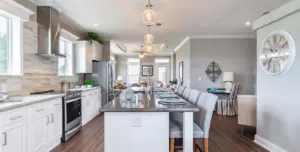
Filed Under: Community, Palatka Tagged With: Community, SilverBayPalatka

Is a 55+ Active Adult Community Right for You? 10 Questions to Ask

July 17, 2026 by madison

Exterior image of Silver Bay Palatka manufactured home.

Downsizing is made easy with Silver Bay's nine floor plans varying from 1,000-1,600 square feet.

Choosing a retirement home isn't just about what you're leaving behind. It's also about what you're choosing every morning afterward. Asking yourself is 55+ community right for you means looking past the excitement of a new home and considering the routines, surroundings, and responsibilities you want to be part of your life.

Rather than focusing on amenities or floor plans, start with yourself. The ten questions below are designed to help you think through the everyday details that influence your experience after move-in. By the end, you should have a clearer sense of whether this lifestyle aligns with what you're looking for and what to explore next.

10 Questions to Ask Yourself

Interior image of Silver Bay's manufactured home.

Personalizing your Silver Bay home requires no approval process first, unlike a condo or other living options.

1. Are You Tired of Maintaining Your Current Home?

Lawn care, landscaping, and exterior repairs don't stop just because you're retired. Reaching the point where those chores no longer feel worth the time is what leads many people to a 55+ community.

2. Do You Want a Built-In Social Life Without Having to Create It Yourself?

Starting over socially can feel intimidating after a move. Living near people with similar interests creates natural opportunities to get to know your neighbors through community clubs, activities, and casual conversations.

3. Are You Comfortable Owning Your Home but Leasing the Land?

Owning the home while leasing the homesite is different from what many people are used to. Feeling comfortable with that arrangement is an important step before choosing a land-lease community.

4. Do You Have or Want a Small Pet?

Bringing a pet into your next home shouldn't feel like an afterthought. Choosing a pet-friendly community means your companion fits into your plans just as effortlessly as everything else.

HCA Florida Putnam Hospital

HCA Florida Putnam Hospital is only a 10-minute drive away from Silver Bay.

5. Is Being Close to Healthcare Important to You?

Good healthcare is easy to overlook until an appointment pops up across town. Having doctors, specialists, and a hospital nearby can make care much easier to manage.

6. Are You Looking for Predictable Monthly Costs?

Budgeting becomes simpler when housing expenses are easier to anticipate. Monthly costs that cover several routine services eliminate many of the surprise bills that come with maintaining a house.

7. Do You Value a Single-Story Home With No Stairs?

Carrying laundry, groceries, or holiday decorations up and down the stairs gets old long before it becomes difficult. Many retirees discover they simply enjoy having everything on one level.

8. Would You Enjoy Organized Community Activities and Events?

Some weeks are busy, while others leave plenty of room for something new. Having activities close to home gives you the freedom to join in whenever something catches your interest.

9. Are You Comfortable With Community Standards and Guidelines?

Shared standards help protect the appearance of the neighborhood over time. People who appreciate consistency usually see those guidelines as part of what makes the neighborhood enjoyable.

10. Are You Ready to Downsize From a Larger Home?

Downsizing usually starts with one question: "Why am I keeping all this space?" Choosing a smaller home can mean spending less time maintaining empty rooms and more time enjoying the ones you use.

If You Answered Mostly Yes

Senior couple polishing a golf club at a golf course.

Seniors who move to an active adult community have more time to enjoy their hobbies.

Answering "yes" to most of these questions doesn't guarantee that a 55+ community is the perfect choice, but it does suggest you're looking for many of the qualities this lifestyle is designed to provide. Lower-maintenance living, opportunities to meet neighbors, predictable monthly costs, and thoughtfully planned homes all move from a wish list to something you can genuinely expect.

At Silver Bay, those priorities show up in practical ways. Single-story homes eliminate the need to navigate stairs, lot rent covers services like lawn care and irrigation, community activities make it easy to get involved, and nearby healthcare adds another layer of convenience. Our What to Ask When Touring guide can help you know all the important things to look into when visiting in person.

If You Answered Mostly No

Answering "no" to most of these questions doesn't make this the wrong article for you. It simply means a 55+ active adult community is not the direction you're likely to choose right now.

A traditional home fits retirees who want full control over their property, space for projects, or the ability to manage everything on their own terms. A condo works better for those who want reduced maintenance, convenient locations, and amenities that simplify day-to-day living. A closer look at a 55+ community vs condo vs traditional home comparison lays out more of these differences in a simple side-by-side view.

Where You Stand After Ten Questions

historic downtown palatka img

Moving to a 55+ community doesn't mean you're confined to the neighborhood; historic downtown Palatka is an exciting place to explore once you've settled in from your move.

No checklist can decide for you, but it can point you in the right direction. Picking where you want to live for retirement changes more than the place you're sleeping each night. It changes the drive to the grocery store, who waves as you walk outside, how much of your weekend belongs to housework, and what fills the hours between breakfast and dinner.

Retirement isn't a "one-size-fits-all" type of situation, and neither are active adult communities. Every neighborhood has its own mix of homes, amenities, costs, and atmosphere, which is why comparing them is necessary. Our complete guide to 55+ communities explains what separates them from one another so you know what to look for as you continue deciding if a 55+ community is right for you.

Frequently Asked Questions

Who is a 55+ active adult community designed for?

A 55+ active adult community is designed for adults who want a residential setting built around lower-maintenance living, defined age requirements, and optional social or recreational activities. It typically attracts people who are ready to simplify home upkeep and live in a more structured neighborhood environment.

What are the pros and cons of living in a 55+ community?

Pros are reduced exterior maintenance, predictable costs through services like lawn care and irrigation, and planned amenities. Cons can include age restrictions, community guidelines, and less flexibility in how property changes are made compared to a traditional home.

At what age should you move to a 55+ community?

Most 55+ communities require at least one resident to meet the minimum age requirement, which is usually 55. The decision itself depends less on age and more on whether the lifestyle and structure match what you want in a home.

Can you have visitors stay overnight in a 55+ community?

Yes. Most communities allow overnight guests for limited periods, though rules vary by community. Policies are typically designed to maintain the age-restricted nature of long-term residency while still allowing family and friends to visit.

What is the social life like in a 55+ community?

Social life in a 55+ community is right for you if you enjoy organized events, shared spaces, and informal gatherings among neighbors. Participation is optional, so residents can be as involved or independent as they prefer.

Finding Out If a 55+ Community Is Right for You at Silver Bay

If the answers are pointing you toward a 55+ community, the next step is simple: see one in person. The homes, layout, and the day-to-day setting can help you decide for good if a 55+ community is right for you.

Contact us to schedule a visit to Silver Bay Palatka and experience all the features that are hard to appreciate from an article.

Disclaimer: Every effort is made to ensure the accuracy of the information in this article. Please credit silverbaypalatka.com when sharing and reposting.
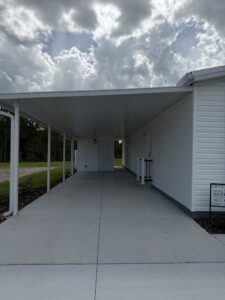
Filed Under: Active Adult Living, Community, Palatka Tagged With: Active Senior Living, Community, SilverBayPalatka

  • 1
  • 2
  • Next Page »
silver bay logo v2

Silver Bay Luxury Living is now open, offering a vibrant 55+ community where residents can enjoy an active, care-free lifestyle without the responsibilities of traditional homeownership. Proudly family-owned and family-operated, and with 100 thoughtfully planned home sites, high-quality manufactured homes, and resort-style amenities, Silver Bay is ready to welcome you home in Palatka, Florida.

  • Welcome
  • Our Homes
  • Amenities
  • Location
  • Property Map
  • FAQ
  • Silver Bay Living
  • Contact Us
  • Portal
villa-farms-blue img
palatka logo

Silver Bay is proud to be the sister community of Villa Farms, Palatka Daily New’s Readers' Choice award winner for Best Retirement Community since 2008. Experience the same quality, community, and care-free living at Silver Bay.

Call Now
Schedule a Tour

At silver bay, we love what we do. © 2026. Silver Bay Luxury Living, Inc. All Rights Reserved.
 Website powered by AnoLogix. Privacy Policy

Discover Palatka’s Newest 55+ Community

Silver Bay Grand Opening!

Come experience a community designed specifically for adults 55+. Tour our model homes, explore Silver Bay, meet our owners, and enjoy refreshments.

September 10th · 6:00 PM

7110 Old Wolf Bay Road, Palatka FL 32177

silverbay logo white

A premiere 55+
community in Palatka,
Florida — now open and welcoming new residents.

Contact us

7110 Old Wolf Bay Rd.
Palatka, FL 32177

386-242-2488

Ready to Tour
Silver Bay?

Experience our now-open 55+ community in Palatka, FL.

Ready to Tour
Silver Bay?

Share your contact information below, and a member of our team will call you to schedule your personal tour.

Experience our now-open 55+ community in Palatka. Share your contact information below, and a member of our team will call you to answer your questions and schedule your personal tour.

"*" indicates required fields

We’ll contact you soon to find a tour time that works best for you.