
Meaningful connections with neighbors can help make a new community feel familiar over time.
Life has a way of changing how we see familiar places. A home that worked well for many years may begin to raise new questions, especially when you're living there on your own. For some people, moving 55+ community after losing spouse becomes a search that starts with practical considerations rather than a firm decision. Looking into a move doesn't mean you're ready to make one. It simply means you're exploring what life could look like and whether your current home still supports that.
It's easy to focus on the home when you're weighing a move. Once you're settled in, though, your days aren't spent thinking about the house. They're spent living in the neighborhood. Seeing familiar faces on a morning walk, stopping to chat with a neighbor, or simply recognizing the people you pass each day can quietly become part of what makes a place feel like home.
The Practical Reality of Managing a Home Alone
A home holds memories, but it also comes with responsibilities that continue year after year. Routine maintenance, seasonal yard work, unexpected repairs, and household expenses still need attention, and those tasks can feel different when there is no one else to divide them with.
The neighborhood around your home matters just as much as the home itself. You might think about having someone who could lend a hand with a project, recommend a trusted repair company, or notice when something seems out of the ordinary. Small acts of neighborly support are reminders that the people around you are there when you need them.
Why Social Connection Matters More Than Ever

Shared experiences and regular social interaction are among the reasons community can be so valuable after losing a spouse.
Spending time with other people has long been linked to better physical and emotional health, and that becomes especially important after the loss of a spouse. Research has found that older adults experiencing prolonged loneliness are at greater risk for depression, cognitive decline, heart disease, and other health concerns.
A neighborhood and a community aren't always the same thing. You can live on a street for years without really knowing the people around you. A community grows through repeated, everyday interactions. It's seeing the same faces at the mailbox, chatting over coffee in the clubhouse, or waving to someone on an evening walk until those brief conversations become familiar.
That's one reason many people find that making connections feels more natural in a 55+ community. Shared spaces and organized activities create opportunities to see the same neighbors again and again without the pressure of forcing friendships. We talk more about that in our article on making new friends after retirement.
What to Look for in a 55+ Community When You're on Your Own
A home that's easy to move around in can make a noticeable difference. Many retirees appreciate single-story floor plans that don't require climbing stairs throughout the day, along with a manageable amount of indoor and outdoor upkeep. A welcoming social calendar gives you the freedom to join activities when they sound enjoyable and skip them when they don't. The best communities never make participation feel like an expectation. They create easy ways for neighbors to get to know one another.
It's also worth thinking about location. Living within a comfortable drive of family, longtime friends, healthcare providers, or favorite places can make a move feel less like starting over and more like building on the life you've already created.
As you compare communities, pay attention to the things that are harder to see on a brochure. Are neighbors stopping to talk with one another? Do shared spaces feel inviting? Can you picture yourself settling into a routine that feels comfortable? Those details can tell you just as much as a floor plan or list of amenities when deciding if a 55+ community is right for you.
What Community Life Looks Like Day-to-Day

Maintaining friendships in retirement doesn't need to be hard when a 55+ community creates activity opportunities for you.
One morning might begin with a walk through the neighborhood before the Florida heat settles in. Another could start with coffee at the clubhouse, where conversations pick up right where they left off the day before. Some afternoons bring organized activities, while others are spent relaxing at home or catching up with neighbors outside. The Silver Bay amenities and community life make it easy to fill your week with as much activity or quiet time as you prefer.
The clubhouse stays active throughout the week with bingo, card games, puzzles, and other gatherings that bring residents together. Pickleball courts, the swimming pool, and outdoor gathering spaces give residents more places to be active. The community library, fire pit, and grills offer quieter ways to spend time with friends or unwind close to home.
The variety means there's always something happening without making the calendar feel overwhelming. Shared spaces matter because they give neighbors a reason to cross paths, something residents at our sister community, Villa Farms, have appreciated as well.
Taking the Step at Your Own Pace
A move doesn't have to begin with packing boxes. It can start with a visit, a conversation, or an afternoon spent getting to know a community. Many people return more than once before deciding anything, giving themselves time to see things they may have missed the first time around.
Bringing a family member or trusted friend can also change the experience. They may spot details you overlook, ask questions you hadn't considered, or simply make the visit feel a little less overwhelming. There's nothing wrong with taking notes, comparing impressions afterward, or sleeping on what you've seen before deciding what comes next. When you're ready, our complete guide to 55+ communities is available if you'd like to spend a little more time learning before visiting a community.
Considering a Move After Loss
Moving to a 55+ community after losing a spouse is a deeply personal decision, and there's no single way to approach it. A home that's easier to care for can make life simpler, but the people around you matter, too. Familiar neighbors, shared spaces, and opportunities to spend time with others are all part of what makes a place feel comfortable.
Taking time to read, visit communities, talk with family, and think things through are all normal parts of the process. There's no need to have every answer today. If and when you're ready to visit, Silver Bay will be here to welcome you.
Frequently Asked Questions
Is a 55+ community good for a single person?
Yes. Many single residents choose 55+ communities because shared spaces, activities, and casual conversations make it easier to connect with neighbors while still maintaining independence.
What is the minimum age to live in a 55+ community in Florida?
Most 55+ communities require at least one person in the household to be 55+ years old, though rules vary by community.
Are 55+ communities safe for people living alone?
Many people living alone appreciate the added sense of security that can come from having neighbors nearby and a community where people know one another. Features like well-maintained shared spaces, neighborhood lighting, and regular interaction with other residents can make a 55+ community feel more comfortable for single residents.
Can I move to a 55+ community if I'm recently widowed?
Yes. Many people consider a 55+ community after losing a spouse because they are looking for a home that is easier to maintain and a place where they can establish new routines. Visiting communities and involving family members can make the decision easier to navigate.
What support do 55+ communities offer for residents living alone?
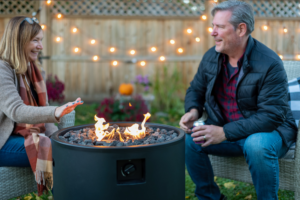
From the clubhouse to the pool and fire pits, shared amenities make it easy to enjoy time with neighbors whenever you choose.
55+ communities are not assisted living facilities, but they can offer social and practical benefits for independent residents. Shared spaces, activities, maintenance services, and neighbors nearby can make day-to-day life feel more connected.
Moving to a 55+ Community After Losing a Spouse: A Personal Choice
For those considering moving to a 55+ community after losing a spouse, taking the time to understand what matters most in a new home and neighborhood can make the decision feel more manageable.
At Silver Bay Palatka, you can visit the community, meet residents, and get a sense of daily life before making any decisions. If you're curious about what life here looks like, you're welcome to contact us whenever the time feels right.
Disclaimer: Every effort is made to ensure the accuracy of the information in this article. Please credit silverbaypalatka.com when sharing and reposting.