• FAQ
  • Contact Us
  • Portal
  • Call us: 386-242-2488
silver-bay-logo

Silver Bay

Luxury Living

  • Welcome
  • Our Homes
  • Amenities
  • Location
  • Silver Bay Living
  • Property Map

Active, maintenance-free lifestyle in a vibrant community for your comfort and enjoyment.

7110 Old Wolf Bay Rd., Palatka, FL 32177
CALL US: 386-242-2488

fb icon ig icon

Call Us
Map
FAQ

From Reservation to Move-In: How Long Does Buying at Silver Bay Take?

November 20, 2026 by madison

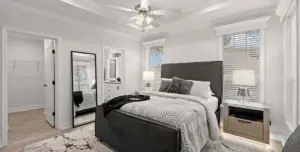
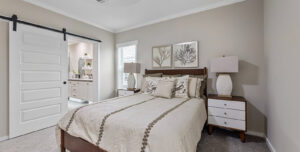
Pierce manufactured home model bedroom with a queen-size bed, neutral bedding, white sliding barn door, matching nightstands, and soft gray walls.

A finished look inside the Pierce model gives buyers a glimpse of what awaits at the end of the reservation-to-move-in process.

A home can be selected in an afternoon, but that doesn’t mean the keys will be waiting on the kitchen counter by dinner. The purchase process has its own sequence of events, and the gap between picking a home and being ready to move in depends on quite a few details.

Buying at Silver Bay includes reservation paperwork, financing, home preparation, installation, and final inspections before move-in. A home can look completely ready from the driveway, yet some checkboxes may still stand between a buyer and the front door. Advance knowledge makes coordinating with everyone involved, from your mortgage lender to the family members helping with the move, much easier.

Why the Timeline Varies

A home purchase doesn’t follow a universal countdown, particularly when the home still needs to be manufactured and installed. At Silver Bay, buyers select a homesite, floor plan, and finishes before their home is ordered and transported to the property. That means the estimated move-in date depends partly on manufacturing and delivery schedules, along with the work needed to prepare the homesite.

The selections made during the purchase can also influence the schedule. Floor-plan configurations, finish choices, utility connections, and installation scheduling all factor into the work ahead. Financing arrangements can introduce additional timing considerations, particularly when lender documentation and approvals are still pending. Silver Bay’s current timeline is approximately 90 days from home order to move-in, but that timeframe is a planning guideline rather than a guaranteed completion date.

Choosing Your Homesite and Ordering Your Home
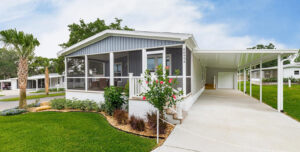
Silver Bay's Silver Springs 5046 manufactured home featuring a screened front porch, covered carport, landscaped lawn, and white exterior trim.

Silver Springs 5046 pairs a welcoming front porch with a covered carport, giving the home a practical exterior layout with room to enjoy the Florida sunshine.

Silver Bay’s nine floor plans give you several starting points, with designs ranging from approximately 1,029 to 1,600 square feet. Each model has its own room arrangements, storage, kitchen layouts, and interior features, so browsing the available designs is a good place to narrow down your preferences. You can also choose finishes such as cabinetry, countertops, flooring, fixtures, and exterior colors.

Your homesite selection is another decision made before the order is placed. Silver Bay’s property map displays the available locations, allowing you to review individual lots before settling on a location.

Reservation and Initial Paperwork

Once you’ve settled on a homesite, the Silver Bay team can place a temporary hold on it without requiring a deposit. That gives you time to move ahead with the purchase discussions without having to commit money simply to reserve the location.

Before proceeding, you’ll want to review the paperwork with the team and confirm exactly what you’re agreeing to. Ask which forms need to be completed, whether any payments are due before the home order, and how long the temporary hold remains in effect. Your Silver Bay representative can walk you through the required forms, payment schedule, and deadlines so you know what to expect before the home order moves forward.

Financing, Documentation, and Approvals

Financing a manufactured home at Silver Bay involves an important detail: you own the home, but lease the land beneath it. That arrangement can affect which loan programs apply, as some manufactured-home loans cover the home itself rather than a combined home-and-land purchase. HUD’s Title I program, for example, includes financing for manufactured homes placed on leased lots.

The lender handles the financial review, which can include your credit history, income, employment, existing debts, assets, and available down payment. Approval timing varies with the application and underwriting requirements, but contacting a manufactured-home lender early gives you a better sense of the documentation and review time involved.

Home Preparation, Installation, and Inspections
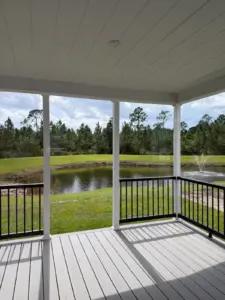
Covered porch overlooking a grassy homesite, community pond, and tree-lined surroundings at Silver Bay.

Silver Bay’s property map lets prospective residents explore available homesites and compare locations, including lots with views of the community pond.

Before the home arrives, the homesite needs a suitable foundation, proper drainage, and access for delivery equipment. Following transportation to Silver Bay, a licensed installer levels and secures the home, then completes the necessary connections for water, sewer, and electricity. The setup also includes anchoring the structure according to the manufacturer’s specifications and applicable Florida standards.

Inspections follow the installation work, with county officials checking items such as the foundation supports, anchoring system, utility connections, stairs, landings, and safety features. Putnam County’s inspection process includes separate checks for the home’s structural setup and completed exterior details, with special documentation for certain flood-zone properties. Final approval is necessary before occupancy, so the home cannot be considered ready for move-in simply because the installation crew has finished.

Final Walkthrough and Closing

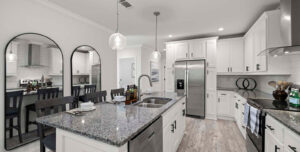
Spacious manufactured home kitchen with raised-panel cabinetry, stainless steel appliances, a large island with seating, and pendant lights.

From the expansive island to the surrounding cabinetry, this kitchen has plenty of room for everyday cooking.

The final walkthrough is your opportunity to check the completed home against the selections and features listed in your purchase agreement. Test the faucets and appliances while also checking finishes, windows, and exterior for damage or unfinished work. Make a written list of anything that needs attention, and confirm with the Silver Bay team how those items will be handled.

Closing brings the purchase paperwork together. Review the final home documents, lot-lease agreement, financing paperwork if applicable, and any remaining balance. Ask which documents establish ownership of the manufactured home, who will handle the title and registration process, and what records you’ll receive for your files. With the county’s occupancy approval in place and the closing details settled, you’ll have a confirmed date for taking over the home and planning your arrival.

Planning Movers and Utilities
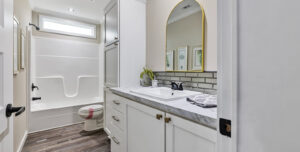
Pierce manufactured home model bathroom with a white vanity, arched mirror, subway tile backsplash, and built-in bathtub.

The Pierce bathroom features a built-in tub alongside a long vanity with plenty of drawer storage.

The furniture, boxes, kitchen supplies, and approximately seventeen things you forgot were in the back of a closet all need their own ride to Silver Bay. Start gathering moving estimates a few weeks ahead, and check that each company is registered with the state before signing a contract. Just resist the temptation to reserve a truck for a specific day until the Silver Bay team has confirmed your possession date. You’ll also want to ask about truck access and parking so the movers know where they’re headed when they arrive.

Your first evening will be much easier with the basics already working. Silver Bay’s residences each has its own water and electric meter, and residents pay for those services separately from lot rent. Cable and internet are available through local providers, which makes it a good idea to check which companies serve the community and whether they require an installation appointment.

Common Causes of Delay

A few parts of the purchase depend on schedules outside Silver Bay’s control. Manufacturing changes, material shortages, transportation complications, or lender requests for additional documentation can all extend the expected timeframe. County approvals may also take longer if permits require further review or supporting records are missing.

Weather interruptions and inspection corrections can hold up the remaining work, while unresolved lender conditions or purchase documents postpone closing. The timing of one task could affect several others, which is why keeping in touch with the Silver Bay team and responding promptly to requests is helpful. Staying flexible with moving arrangements also gives you some breathing room if the handover date shifts.

A Sample 90-Day Planning Timeline

Ninety days can feel like a long stretch when you’re waiting to move, but breaking it into smaller intervals makes the wait easier to picture. Here’s one example of how the weeks between placing your home order and getting settled could look.

Planning periodWhat to expect
Weeks 1–2The home order is submitted, financing arrangements progress, and permit-related paperwork gets underway.
Weeks 3–6Manufacturing continues while the team coordinates homesite preparation and tracks outstanding approvals.
Weeks 7–10Delivery and installation take place, followed by applicable inspections and remaining site work.
Weeks 11–12County approval, the final walkthrough, closing, and utility arrangements are completed.
Around Week 13Household belongings arrive, and you get moved into your new home.

Questions to Ask the Silver Bay Sales Team

Before signing anything, bring these questions along to clear up any details that are easy to overlook:

  • What does my purchase price include? Ask about appliances, finishes, delivery, installation, and any upgrades or extra charges.
  • Which expenses will I have after moving in? Discuss lot rent, separately billed utilities, insurance, property taxes, and ongoing maintenance.
  • Can I change my selections after placing an order? Find out which modifications are possible and whether they affect the price or production schedule.
  • Who handles warranty claims and repairs? Clarify who to contact for problems involving the home, installation, and appliances.
  • Which community rules should I know about? Request the current rules covering pets, parking, guests, exterior upkeep, and amenities.
  • Who will be my main point of contact? Find out who handles updates and questions throughout the purchase.

Buying at Silver Bay and Your New Neighborhood Routine
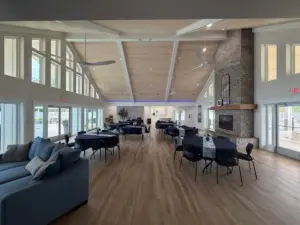
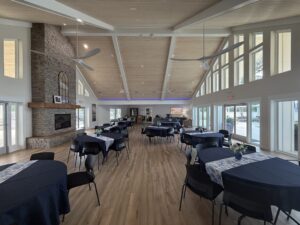
Spacious Silver Bay clubhouse interior with lounge seating, dining tables, large windows, and a stone fireplace.

The Silver Bay clubhouse has room for everything from casual conversations to group dinners, game nights, and community gatherings.

Buying at Silver Bay takes some coordination, but you don’t need to turn the next 90 days into a full-time scheduling position. Keep your questions handy, stay in touch with the sales team, and resist the urge to plan every last moving-day detail three months in advance. Even the most organized calendar has to accept that not every date will go according to plan.

The clubhouse, pool, friendly neighbors, and familiar faces around the community give you a few new things to look forward to. Before long, you could have a regular poolside spot, a favorite neighbor to chat with, and a calendar filled with plans that have absolutely nothing to do with paperwork.

Frequently Asked Questions

What is an active adult community?

An active adult community is a neighborhood for adults age 55 and older who want independent living with shared amenities and social activities. Residents maintain their own homes and routines without the personal care services associated with assisted living.

What amenities are included at Silver Bay?

Silver Bay features a clubhouse, swimming pool, pickleball, library, pet-walking areas, and community gathering spaces. Residents also enjoy group activities such as bingo and covered-dish dinners.

What does Silver Bay’s monthly lot rent cover?

Monthly lot rent includes lawn care, irrigation, fertilizing, street lighting, and access to the clubhouse and pool. Water and electricity are metered separately, while cable and internet are arranged through local providers.

What costs should I budget for when buying at Silver Bay?
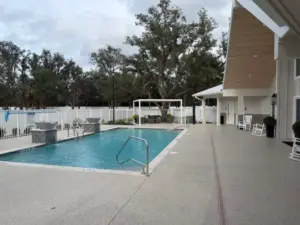
Swimming pool and pool deck at Silver Bay, with lounge seating, a covered area, and community buildings surrounding the pool.

Silver Bay residents have a dedicated outdoor space for swimming and cooling off, with the clubhouse and pool area just steps apart.

In addition to your home purchase and monthly lot rent, plan for separately billed water and electricity, homeowners insurance, property taxes, and routine home maintenance. Your exact expenses will depend on your home, coverage, and utility usage.

Ready to Put the Paperwork Behind You?

A home purchase is a pretty substantial subject for a conversation, but it doesn’t have to be a formal one. Buying at Silver Bay starts with getting familiar with the community, asking the questions you’ve been holding onto, and talking through the details that matter to your plans.

Ready to trade the checklist for a look around? Contact us and talk with the Silver Bay team about making your move to Palatka.

Disclaimer: Every effort is made to ensure the accuracy of the information in this article. Please credit silverbaypalatka.com when sharing and reposting.

Filed Under: Manufactured Homes, Palatka Tagged With: active adult community Palatka, Modern manufactured homes, SilverBay

Coastal vs. Inland Retirement in Northeast Florida

November 13, 2026 by madison

A white and red boat docked at St. Johns river.

Palatka’s St. Johns River gives inland Northeast Florida its own waterfront appeal, with Atlantic beaches still within driving distance.

A beach view is lovely, but does every trip to the grocery store need to come with a side of tourist traffic and sandy car seats? Coastal vs. inland retirement in Northeast Florida involves some real trade-offs, and the right address depends on more than how much you enjoy the ocean. After all, there’s a difference between loving the beach and wanting to live next door to it.

Palatka brings an inland option to the mix, with the St. Johns River, local recreation, and everyday conveniences closer to home, while the Atlantic coast remains within driving distance. That means beach days can stay on the agenda without making beachfront real estate part of the budget conversation. And honestly, a little distance from the shoreline might have its perks.

What Coastal and Inland Retirement Mean in Northeast Florida

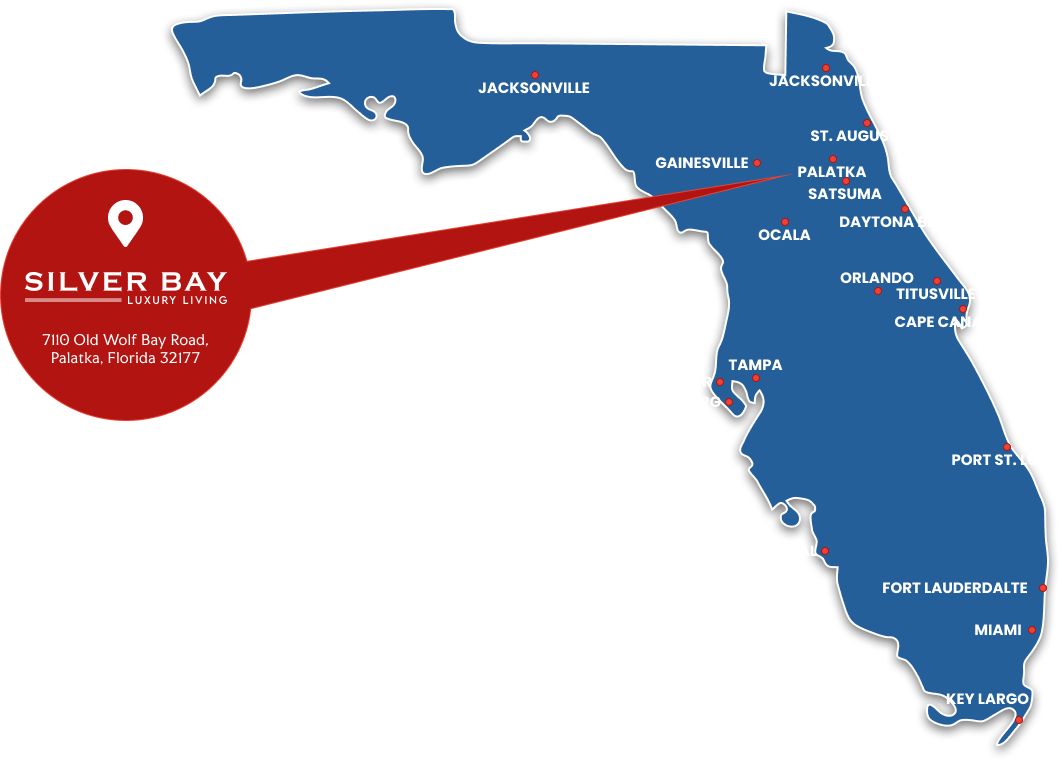
Map of Florida highlighting Silver Bay in Palatka, with nearby locations including St. Augustine, Jacksonville, Gainesville, Daytona Beach, and Ocala, along with other cities throughout the state.

Located centrally in Florida, Silver Bay in Palatka offers both the tranquility of small-town life and proximity to major attractions.

Coastal retirement in Northeast Florida usually centers on living near the Atlantic beaches, Intracoastal Waterway, or tidal waterways that weave through communities like St. Augustine, Jacksonville Beach, and Flagler Beach. Inland living shifts the focus toward riverfront towns, wooded neighborhoods, and communities farther west of the shoreline. The contrast isn’t simply ocean views versus no water at all; it’s which part of Florida’s geography you want closest to home.

Palatka sits firmly on the inland side, right along the St. Johns River in Putnam County. The Atlantic beaches are still accessible by car, but daily life centers on a riverfront city rather than a beach town. For buyers who enjoy the water without needing the ocean as their backyard, that’s an interesting distinction.

Housing and Everyday Cost Considerations

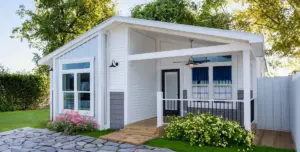
Silver Bay's white Cottage Farmhouse manufactured home features a front porch, black railing, trimmed windows, and a landscaped entryway.

Silver Bay’s white Cottage Farmhouse manufactured home features a front porch, black railing, trimmed windows, and a landscaped entryway.

Housing prices highlight a noticeable gap between coastal and inland markets. September 2026 median listing prices were approximately $289,950 in Palatka, compared with $598,500 in St. Augustine Beach, $581,500 in Flagler Beach, and $714,995 in Jacksonville Beach. These figures cover entire local markets rather than identical properties, but they illustrate the substantial difference buyers may encounter when shopping along the Atlantic shoreline.

Silver Bay takes another approach to homeownership: residents purchase their manufactured homes and lease the land beneath them. Homes currently start at $225,000, with nine floor plans ranging from 1,029 to 1,600 square feet. Monthly lot rent covers lawn care, irrigation, fertilizing, street lighting, and access to the clubhouse and pool. Residents handle their own water and electricity bills, homeowners insurance, and home maintenance.

Insurance, Flooding, and Storm Questions Buyers Should Investigate

An inland address doesn’t eliminate Florida’s weather risks; it changes which hazards need closer consideration. Coastal properties can face storm surge and tidal flooding, while inland homes may experience river flooding, heavy rainfall, and hurricane-force winds. Putnam County has its own flood vulnerability assessment resources, and FEMA’s flood maps let buyers check the designation assigned to a specific property.

Insurance requires equally careful homework. Standard homeowners policies generally exclude flood damage, so buyers should ask whether separate flood coverage is necessary and request an insurance quote for the exact home they’re considering. Roof condition, construction materials, wind-mitigation features, and hurricane deductibles can also affect coverage and premiums. Checking the property’s flood history and understanding local evacuation instructions belong on the pre-purchase checklist.

Beach Access Versus Everyday Convenience

Wooden beach boardwalk crossing grassy dunes toward the ocean at St. Augustine Beach under a clear blue sky.

A wooden boardwalk leads to the Atlantic shoreline at St. Augustine Beach, a coastal destination within driving distance of Silver Bay Palatka.

Living closer to the shoreline can make a quick beach visit part of an ordinary afternoon, while residents farther inland are more likely to plan a dedicated outing. St. Johns County maintains public beach access points with facilities that make a day by the water easier to arrange. Vilano Beachfront Park, for example, has a beach walkover, restrooms, showers, changing stations, and a pavilion. Beach access locations vary in their parking, amenities, and rules for vehicle entry, so reviewing the county’s beach-access information before heading out can save some guesswork.

Coastal towns have their own grocery stores, pharmacies, and restaurants, but the range and location of those services depend on the community. In Palatka, routine errands have a local rhythm. Publix at Town and Country Shopping Center has a pharmacy alongside its grocery departments, while the Walmart Supercenter on State Road 19 handles groceries, prescriptions, and household shopping under one roof. Downtown restaurants add a local dining scene, too, with spots such as The Magnolia and Velchoff’s Corner. The result is a week that doesn’t require a coastal outing every time the shopping list grows or dinner plans call.

Healthcare, Shopping, Dining, and Airports

A quiet downtown Palatka street lined with storefronts, trees, and glowing streetlamps, with the Putnam County Courthouse clock tower visible in the distance.

Downtown Palatka’s tree-lined streets, local shops, and restaurants give residents a taste of the city’s everyday shopping and dining scene.

Coastal communities like St. Augustine put residents close to a larger concentration of medical offices, specialty providers, and hospital services, including UF Health Flagler Hospital. Healthcare near inland Palatka includes HCA Florida Putnam Hospital, with a 24-hour emergency department and several medical specialties, plus Putnam Heart Center near Silver Bay. Access to larger medical systems in Jacksonville and Gainesville adds regional options, though those trips require more travel.

St. Augustine’s shopping and dining scene includes destinations such as the Premium Outlets, historic-district boutiques, and a wide range of restaurants. Palatka has a more locally focused retail and dining scene, with independent businesses serving the community.

Airport access is less tied to the shoreline. Jacksonville International Airport serves both coastal and inland residents with a broad airline network, while Gainesville Regional Airport has nonstop connections to several major hubs. St. Augustine Regional Airport primarily handles general and corporate aviation, so living near the coast doesn’t necessarily mean having a major commercial airport closer at hand.

Traffic, Tourism, and Seasonal Crowd Differences

Clusters of bright pink and pale pink azalea blossoms fill the foreground beneath a clear blue sky.

Bright pink and white azaleas are a familiar sight during Palatka’s Florida Azalea Festival, a late-winter celebration that brings visitors downtown.

Coastal Northeast Florida doesn’t follow one visitor calendar. Jacksonville’s beaches see heavier summer weekend activity and spring-break crowds, while Amelia Island reaches its busiest visitor season during the summer months. Palm Coast and Flagler Beach have festivals, markets, and community events spread throughout the year, and St. Augustine draws holiday visitors for Nights of Lights. The result is a range of seasonal patterns across the coast, with activity depending on the community and time of year.

Palatka has its own busy weekends, particularly during the Florida Azalea Festival in late winter and the Blue Crab Festival over Memorial Day weekend. Those gatherings bring visitors into town, but the calendar is more centered on scheduled local celebrations than on a major beach-tourism season.

Outdoor Recreation in and Around Palatka

Stone steps and a rustic stone arbor frame a garden path at Ravine Gardens State Park, surrounded by trees, ferns, and flowering plants.

Stone pathways, lush greenery, and historic garden features make Ravine Gardens State Park a favorite outdoor destination in Palatka.

Freshwater adventures and wooded trails give inland Northeast Florida its own outdoor appeal. Palatka’s Riverfront Park has fishing piers, boat ramps, and a kayak launch, while Dunns Creek has a six-mile paddling route through cypress-lined waterways. On land, Ravine Gardens State Park has hiking trails that wind through steep ravines and cross suspension bridges, and the 19-mile Palatka-to-St. Augustine State Trail gives walkers and cyclists a longer route through the countryside.

Coastal recreation leans more toward saltwater activities and shoreline habitats. Anastasia State Park has four miles of Atlantic beach for surfing, swimming, and fishing, while the Guana Tolomato Matanzas Reserve has trails, marshes, and paddling routes through coastal ecosystems. Both settings have plenty to keep outdoor enthusiasts busy, but the scenery and activities vary considerably. Things to do in Palatka put freshwater boating, fishing, and forest trails at the forefront, while coastal communities bring the ocean and saltwater recreation into everyday plans.

Staying Close to the Coast Without Living Directly on It

An inland home doesn’t mean giving up easy access to the Atlantic. From Palatka, St. Augustine Beach is roughly a 40-minute drive, and Flagler Beach takes about 50 minutes, making either a manageable destination for a day by the ocean. Jacksonville Beach is farther north, at roughly 75 minutes by car. Those estimates vary with traffic and your exact destination, but they put the coast within reach for a planned outing without making beachfront property part of your daily address.

A Personal-Priorities Comparison Checklist

A location can look appealing on paper and still feel inconvenient once daily routines enter the picture. Before making a decision, ask yourself:

  • Which expenses am I comfortable carrying month after month?
  • How much travel am I willing to build into an ordinary week?
  • Would I miss having the ocean close by, or would occasional visits satisfy me?
  • Which surroundings would I enjoy seeing outside my window every day?
  • How much activity do I want in my community throughout the year?
  • Does this location support the routines I expect to keep over the next several years?

Deciding Between Coastal vs. Inland Retirement in Northeast Florida

Aerial view of downtown Palatka, Florida, showing the city's buildings and surrounding landscape.

An aerial view of downtown Palatka highlights the city at the center of Silver Bay’s inland Northeast Florida location.

A coastal view makes a lovely vacation photo, but a retirement address has a full-time job of making the ordinary parts of the week feel right. The question behind coastal vs. inland retirement in Northeast Florida isn’t which setting wins a postcard contest. It’s which one makes a routine Tuesday feel right without requiring a negotiation with your budget, your calendar, or your patience.

Palatka doesn’t need an oceanfront address to make a case for itself. The river, the trails, and the character of the city give it plenty of local identity, while the Atlantic remains an easy destination for a change of scenery. Turns out, you don’t have to pay for the view to keep the beach in your weekend plans.

Frequently Asked Questions

Is Silver Bay a waterfront community?

No. Silver Bay is an inland community in Palatka, not a riverfront development. The St. Johns River and its public recreation areas are part of the surrounding area, but residents should not expect a private waterfront setting at their homes.

Can I enjoy coastal and riverfront recreation while living at Silver Bay?

Absolutely. Living in Palatka puts public river access and Atlantic coastal destinations within driving distance. Residents can plan outings around the kind of scenery and activities they enjoy without needing to live directly on the water.

What should I consider before choosing an inland active adult community over a coastal one?

Consider your comfort with driving, the community’s amenities and rules, and the home’s ownership arrangement. Coastal vs. inland retirement in Northeast Florida involves more than choosing a view, so think about how Silver Bay’s location and setup fit your plans.

Is Silver Bay a good fit for someone who has always lived near the beach?

It can be, especially for someone comfortable planning beach visits rather than making spontaneous trips. Palatka has its own local character and recreational attractions, so visiting Silver Bay and the surrounding area can help you decide if inland living suits you.

Get to Know Inland Living at Silver Bay

Silver Bay Palatka's outdoor swimming pool and clubhouse, part of the community's shared resident amenities.

Silver Bay’s clubhouse and pool give residents a place to cool off, spend time with neighbors, and enjoy community amenities in inland Palatka.

A move to Silver Bay comes with plenty to think about, but it also comes with something to look forward to. Maybe you’re ready for a smaller city, curious about manufactured home living, or simply interested in seeing what an active adult community in Putnam County looks like up close. Whatever brought Silver Bay Palatka onto your radar, we’d love to help you get acquainted.

Still weighing coastal vs. inland retirement in Northeast Florida? Our team is happy to talk through the details and help you decide what comes next, so start the conversation by Contacting Us.

Disclaimer: Every effort is made to ensure the accuracy of the information in this article. Please credit silverbaypalatka.com when sharing and reposting.
Filed Under: Community, Palatka Tagged With: Community, Location, SilverBayPalatka

How to Compare Silver Bay’s Floor Plans Before You Buy

November 12, 2026 by madison

Silver Springs 5046 outdoor patio with a paved floor, gray outdoor sofa, wicker chairs, coffee table, and steps leading to the home's entrance.

The Silver Springs 5046 brings the outdoors into everyday living with a private patio framed by the home’s covered walls and windows.

A floor plan is full of decisions you won’t have to make yourself. Someone has already determined where the pantry goes, how much room separates the kitchen from the dining area, and whether the guest bathroom sits across the hall or beside a bedroom. All that’s left is deciding which of those arrangements you can get excited about and which ones you’d change if given the chance.

The Silver Bay floor plans put those decisions into real rooms, with kitchens, bedrooms, bathrooms, and storage arranged in ways that can change how a home feels from morning to night. The goal isn’t to find the model with the longest list of features, but to understand what each floor plan actually brings to the table.

Start With How You’ll Use Your Home

Two people can occupy the same home and use its rooms in completely different ways. A second bedroom, for example, could serve as a home office, a dedicated hobby room, or a place for visiting family to sleep. Regular activities at home play a part in how much room you need outside the bedrooms, particularly for hobbies that require a worktable, equipment, or supplies. Your current routines are a good place to begin, but leave room for anything new you’d like to make room for once you’re settled into your home.

Guest accommodations and furniture raise separate questions during a move out of a larger house. Frequent overnight visitors may make a second bedroom a priority, while occasional holiday visits could call for a more flexible arrangement. Existing furnishings need attention, especially pieces with sentimental value or a specific purpose in your household. Rather than assuming everything has to make the move, downsize by deciding what furniture will see regular use and which ones have gradually become part of the background.

Compare Kitchen Layouts and Entertaining Space

Interior view of the Silver Springs 5046 kitchen with a large granite island, white cabinets, stainless steel refrigerator and range, pendant lighting, and an arched opening to the dining area.

The Silver Springs 5046 kitchen features a spacious island with seating, granite countertops, white cabinetry, and stainless steel appliances.

An island can look impressive on a drawing, but its usefulness depends on the clearance around it and the counter space left for meal preparation. Check whether appliance doors and cabinet drawers can open without blocking the main walkway, and whether there’s enough uninterrupted countertop for chopping, serving, and setting out food. The Silver Springs 5046 pairs an island with seating and a walk-in pantry, along with a dedicated dining area. The Silver Springs 5006 has an island and walk-in pantry as well, but its dining space sits beside the kitchen within an open-concept great room.

The way these spaces connect becomes important for anyone who enjoys having friends over for dinner or serving meals to a larger group. An open arrangement keeps conversation flowing between the cook and everyone gathered in the living area, while a separate dining area creates a more defined setting for meals. Check the path between the refrigerator, cooking appliances, and dining table, too, since a crowded walkway can make serving dinner more difficult.

Look Closely at the Primary Suite and Bathrooms

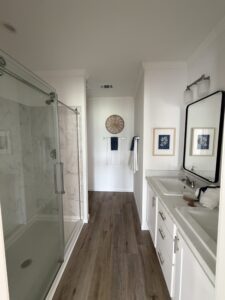
Silver Bay bathroom interior featuring a glass-enclosed walk-in shower, white double-sink vanity, large mirrors, framed wall art, and wood-look flooring.

This Silver Bay home bathroom features a glass-enclosed walk-in shower, double vanity, and contemporary finishes.

As you move through a Silver Bay model, the primary bedroom offers a useful introduction to how each floor plan handles private space. The Hayden and Pierce floor plans, for example, have primary bedrooms measuring 13’5″ by 10’11” and 14’5″ by 12’6″, respectively. Both models place a walk-in closet beside the primary bedroom, which is good news for anyone with a wardrobe that needs more than a single closet rod.

Bathrooms are the next part of the layout to examine. The Hayden has a 60-inch shower in its primary bathroom, whereas the Pierce has a separate shower, toilet, and vanity area. Its second bathroom includes a bathtub and a nearby linen closet. The Silver Springs 5046 brochure lists an optional walk-in shower, giving buyers another feature to discuss with the sales team. Doorway widths, shower thresholds, and clearance around fixtures deserve attention during this part of the tour, particularly for anyone planning around changing mobility needs.

Back in the hallway, the placement of the other bedrooms puts the primary suite’s privacy into perspective. The Silver Springs 5046 and 5006 both have split-bedroom layouts, separating the primary suite from the additional bedrooms rather than grouping all the sleeping areas together.

Evaluate Storage, Laundry, and Everyday Organization

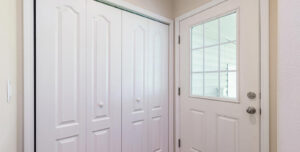
Interior view of the Silver Springs 5006 utility closet with white double doors beside the home's front entry door.

The Silver Springs 5006 utility closet features built-in storage with convenient access near the home’s entryway.

A well-organized home needs room for more than clothes and kitchen supplies. Cleaning products, spare linens, paper goods, tools, and more all need somewhere to go, preferably without taking over cabinets or leaving every closet packed to the ceiling. Silver Bay’s Hayden floor plan labels an interior utility room, while the Silver Springs 5046 has a mudroom entry from the garage. That mudroom creates a designated place for shoes, bags, and other items that tend to follow you indoors after errands or time outside.

Laundry arrangements get their own consideration because the washer and dryer occupy space that could otherwise serve another purpose. The Silver Springs 5006 has a dedicated laundry room, and the Hayden floor plan features a utility room. During a tour, check the room’s available space for detergent, hampers, and laundry baskets, along with whether there’s a convenient surface for folding clothes.

Storage needs don’t end at the front door, particularly for belongings that rarely make their way into daily use. Silver Bay lists resident self-storage units and covered RV storage among its community amenities, giving residents additional places for larger items that don’t need to occupy space inside the home.

Consider Outdoor Living and Homesite Placement

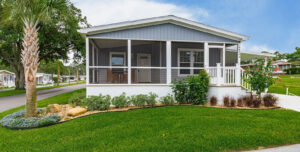
Exterior view of the Silver Springs 5006 with a wide screened front porch, gray siding, white trim, and landscaped lawn.

The Silver Springs 5006 features a spacious screened front porch with room for outdoor seating and views of the landscaped homesite.

A porch’s dimensions can change how much use you get out of the space. The Silver Springs 5006, for example, has a covered front porch with an optional eight-foot deck spanning the width of the home. The Ryan also has a front porch, and Alexa community models specify composite porch decking. Those details are useful when comparing the available outdoor areas, but the real test is how comfortably your furniture fits and whether the layout leaves room to move around.

The homesite plays just as much of a role in outdoor living as the porch itself. Silver Bay’s property map identifies lakefront lots and areas beneath mature live oaks, each with its own balance of views and shade. Those details affect how much sun and privacy your outdoor space gets, along with room for a garden, grill, or extra seating that becomes part of your daily routine.

Look for Features That Support Long-Term Comfort

Single-story construction keeps the bedrooms, bathrooms, and main living areas on one level, eliminating the need to navigate an interior staircase. However, that doesn’t automatically make a home accessible. Silver Bay homes have two 14-inch steps between the carport and the entrance, and doorway widths can affect access for residents who use mobility aids. Those two steps are easy to overlook during a model tour, but they become a daily part of coming and going, regardless of how accessible the interior feels. Fortunately, Silver Bay has select room and wall configurations available, so ask whether any adjustments could create wider passageways or make frequently used rooms easier to access.

Compare Silver Bay’s Currently Available Floor Plans

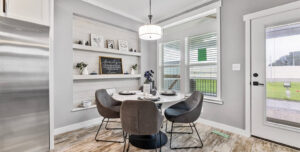
Cottage Farmhouse interior showing a dining table with four upholstered chairs, built-in white shelving, pendant lighting, and a glass door leading outside.

The Cottage Farmhouse floor plan features a welcoming dining area with built-in shelving, a large window, and an open connection to the kitchen.

Silver Bay’s nine listed floor plans range from 1,029 to 1,600 square feet, with two bathrooms in every model. The Hayden sits at the smaller end, while the Colby has the largest footprint. Most plans have two bedrooms, although the Silver Springs 5046 has three, making it the option to examine for households that regularly host overnight guests.

Room arrangements account for much of the variation between these models. The Ryan, Alexa, and Cottage Farmhouse each dedicate space to a den, while the Colby has a separate parlor in addition to its living room. Comparing those layouts side by side makes it easier to see where the extra square footage goes and which floor plan has the rooms your household will use.

Bring This Checklist to Your Floor-Plan Tour

  • Room dimensions: Measure larger furniture pieces and compare them with the available bedroom, living room, and dining space.
  • Kitchen layout: Check counter space, cabinet access, appliance placement, and room around the island.
  • Bedrooms and bathrooms: Note closet capacity, doorway clearance, shower access, and space around fixtures.
  • Storage and laundry: Account for cleaning supplies, linens, laundry baskets, and household equipment.
  • Outdoor space: Check porch dimensions, seating capacity, lot size, shade, and room for gardening or grilling.
  • Accessibility: Test the entrance steps and walk through interior doorways and hallways with any mobility needs in mind.
  • Model specifications: Record square footage, bedroom and bathroom counts, room dimensions, and features included in the advertised price.

What the Silver Bay Floor Plans Don’t Show

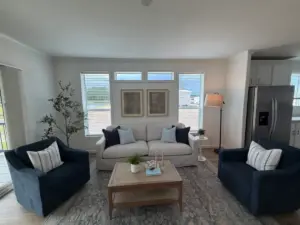
Bright Silver Bay living room with two blue armchairs, a light sofa, coffee table, and large windows.

Personal touches, favorite colors, and carefully chosen furnishings turn a Silver Bay living room into a reflection of the people who call it home.

A floor plan doesn’t have to check every box to feel like a good match. Maybe the dining area is smaller than you’d pictured, but the extra bedroom gives visiting family a comfortable place to stay. Maybe the kitchen isn’t arranged quite like the one you have now, but you can already see where the coffee maker and your favorite mixing bowls will go. Sometimes a home wins you over with one detail you hadn’t thought to look for.

The Silver Bay floor plans are a chance to see how much personality a home can have on paper before you’ve even moved a chair inside. Besides, a tape measure can confirm the sofa fits, but it can’t decide which room you’ll claim as your favorite.

Frequently Asked Questions

Can I customize the finishes in my Silver Bay home?

Yes. Buyers can choose flooring, countertops, cabinets, wall colors, fixtures, and exterior siding. We also have select room and wall configurations available to discuss when ordering your home.

Can I choose my homesite before selecting a Silver Bay floor plan?

Yes. You can pick your homesite first, then select a floor plan and finishes for your new home. Our property map shows the community layout.

How long does it take to get a new home installed at Silver Bay?

We estimate approximately 90 days between placing your home order and moving in. Actual timing depends on the home-order and installation process.

Can I move a manufactured home I already own into Silver Bay?

No. We don’t accept manufactured homes purchased elsewhere. Residents select and purchase a new home through Silver Bay.

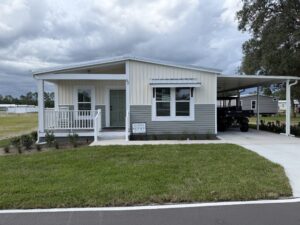
Gray and white manufactured home at Silver Bay Palatka with a covered front porch, driveway, and carport.

This Silver Bay home puts its covered porch front and center, with the carport set off to the side and an open lawn framing the front entrance.

Let’s Talk Homes, Homesites, and Silver Bay

Ready to talk numbers, availability, and what it takes to make a home at Silver Bay yours? Our team can walk you through the purchasing process, explain the homesite options, and answer questions about the details that don’t fit neatly on a floor plan. No need to arrive with every decision made; that’s what the conversation is for.

Bring your questions, your wish list, and maybe a tape measure if you’re feeling ambitious. We’d love to hear what you’re looking for, so contact us and let’s talk about your next step.

Disclaimer: Every effort is made to ensure the accuracy of the information in this article. Please credit silverbaypalatka.com when sharing and reposting.

Filed Under: Community, Manufactured Homes, Palatka Tagged With: floor plans, Modern manufactured homes, SilverBayPalatka

New vs. Resale Manufactured Homes: Which Is Better for Retirement?

October 27, 2026 by madison

Manufactured home living room with vaulted ceilings, large windows, blue and beige seating, and sliding glass doors opening to the outdoors.

An open-concept living room with vaulted ceilings and large windows showcases the spacious interior of a manufactured home at Silver Bay.

A brand-new kitchen has its appeal, but so does a home that costs less upfront and already has the features you want. Retirement can make that contrast more interesting, especially for buyers who have spent years living with someone else’s design decisions, putting off renovations, or wishing a room worked a bit differently.

The decision between new vs. resale manufactured homes depends on what each property brings to the table and what a buyer is willing to take on after closing. Picking out a home should be exciting, and getting to be selective about what you want around you only adds to that. Besides, years of working around a home’s limitations give you a much better sense of what you want in your next place.

What Counts as a New or Resale Manufactured Home?

Exterior of the Cottage Farmhouse home model at Silver Bay in Palatka, Florida.

The Cottage Farmhouse pairs farmhouse-inspired details with a covered porch, bright white siding, and flower beds along the front walkway.

A manufactured home is built in a factory rather than constructed entirely at the property where it will sit. Once construction is complete, the home is transported to its site for installation. In the United States, manufactured homes built on or after June 15, 1976, are subject to federal construction and safety standards known as the HUD Code. From there, the distinction between new and resale is about ownership. A new manufactured home is purchased as new construction or inventory, while a resale home has already had an owner.

Purchase Price vs. Total Ownership Cost

A lower asking price can make a resale manufactured home look like the more affordable buy, but the mortgage payment isn’t the only number that will show up in a household budget. Insurance premiums, taxes, utilities, lot rent, and upkeep all claim a share of monthly income, and the balance varies with each property. A recently updated resale home and an older property that needs work can carry very different costs, even at similar prices. New construction has its own fine print: buyers need to know which features are included in the quoted price and which come with an extra charge. At Silver Bay Palatka, the homesite is leased, so buyers should account for lot rent alongside the home’s financing and separately billed water and electricity.

Repairs, Deferred Maintenance, and Inspections

A resale manufactured home’s condition depends on how previous owners maintained it, not simply how long it has been in use. Roof leaks, plumbing problems, worn heating and cooling equipment, electrical concerns, and signs of water damage can lead to costly repairs, so buyers should review maintenance records and arrange a professional inspection before committing to a purchase. Fresh paint and updated countertops might catch the eye, but they say little about the condition of the systems behind the walls.

New construction avoids the uncertainty of a previous owner’s upkeep, yet buyers still benefit from checking the home for visible damage, testing appliances and major systems, and documenting concerns after delivery and installation. New-home owners can check warranty coverage and learn the proper process for reporting defects to the manufacturer or installer. A thorough inspection, paired with a record of completed repairs, gives buyers a stronger basis for estimating future maintenance costs than the home’s age or appearance alone.

Modern Construction and Energy Efficiency

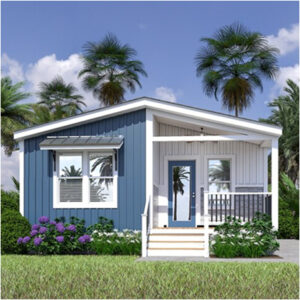
Alexa manufactured home design with blue and white siding, a covered front porch, white steps, black railing, and purple flowers along the front exterior.

Who says a manufactured home has to blend in? The Alexa brings a splash of blue and a modern silhouette to the neighborhood.

Energy efficiency in manufactured homes reflects how the home is built, from insulation and window performance to the way heating and cooling systems distribute air. Newer models can incorporate updated building practices, but construction dates don’t establish how well a home will perform. ENERGY STAR certification gives shoppers a concrete benchmark because certified manufactured homes must meet specific energy performance requirements. The manufacturer’s specifications can also clarify the energy-saving measures that are part of the home’s construction.

Florida’s long, hot summers put cooling systems to work for much of the year, making heat transfer through windows, walls, and ceilings relevant to electricity use. A resale home with effective insulation and upgraded windows could keep indoor temperatures steady without relying as heavily on air conditioning, while a newer model’s energy use varies with its construction.

Floor Plans and Aging-in-Place Considerations

Downsizing involves deciding how much space you want to keep and what you need each room to do. A second bedroom might serve as a guest room, home office, or hobby space, while a smaller layout could mean less space to furnish and maintain. Silver Bay Palatka has two- and three-bedroom manufactured homes ranging from 1,029 to 1,600 square feet. Buyers purchasing new can choose from available floor plans, while resale buyers must work with the room arrangement of an existing home.

Bedroom count doesn’t describe how a floor plan functions; kitchen and living areas, storage, and the route between frequently used rooms tell you how comfortably the home functions day to day. Accessibility also comes into play for buyers planning to remain in their home as their needs change. Silver Bay’s homes are single-story, but bathroom access, shower entry, and doorway clearance can still create difficulties for someone using a walker or wheelchair. Small adaptations, such as grab bars, are less involved than structural changes like widening a doorway or relocating plumbing.

Customization and Finishes

Bedroom inside the Silver Springs 5046 home model at Silver Bay in Palatka, Florida, featuring a spacious layout, bright windows, and modern finishes.

A cozy bed, soft gray accents, and matching nightstands make this Silver Springs 5046 bedroom look ready for a well-earned lazy morning.

Cabinet colors, flooring, countertops, and fixtures all contribute to the look of a home, and personal taste makes those details surprisingly important. A new manufactured home at Silver Bay Palatka has buyers select from available finish options, allowing them to personalize the interior before moving in. A resale home comes with those decisions already made, which might suit anyone who likes the existing style or prefers to make updates at their own pace. Replacing finishes after closing adds expense, leaving the home’s existing colors and materials more relevant to the purchase decision.

Warranty Differences

A new manufactured home has warranty protections that resale buyers shouldn’t assume a previously owned property will have. Florida law requires warranties lasting at least 12 months for new manufactured homes sold in the state, with specific coverage and responsibilities for manufacturers, dealers, and installers. Buyers should also read the written warranty for the specific home to establish what components are covered, who handles service requests, and what exclusions apply. Appliance warranties might be separate from coverage for the home itself, making the paperwork important for knowing where to turn if a covered problem comes up after move-in.

Community Location and Amenities

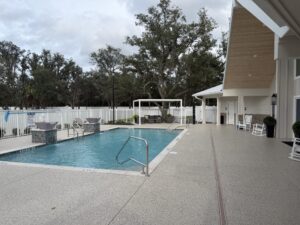
Outdoor swimming pool behind the Silver Bay Palatka clubhouse, with a concrete deck, lounge chairs, white fencing, and trees surrounding the recreation area.

The pool sits just behind Silver Bay Palatka’s clubhouse, with open deck space for lounging poolside or taking a dip on a warm Florida afternoon.

A resale home could already be located in a neighborhood the buyer knows, close to favorite shops, family, or familiar places around town. Buying new in a community such as Silver Bay Palatka involves getting to know the surrounding area while considering the shared facilities on the property. Silver Bay has a clubhouse, swimming pool, and walking paths, while its Palatka location puts destinations such as Ravine Gardens State Park within driving distance. Some residents will get more use out of a clubhouse and pool than others, and the right fit comes down to which amenities you’d actually use.

Decision Checklist by Buyer Type

A new manufactured home might suit you if you:

  • Want to select from available floor plans and interior finishes.
  • Prefer a home that hasn’t been lived in by a previous owner.
  • Want warranty coverage for specified components and workmanship.
  • Prefer to move in without planning immediate cosmetic updates.

A resale manufactured home might suit you if you:

  • Find a home with an asking price that fits your budget.
  • Like the existing floor plan, finishes, and room arrangement.
  • Are comfortable arranging an inspection and budgeting for repairs or updates.
  • Find a property in a location that fits your daily routines.

Before making your final decision, ask yourself:

  • Does the home fit my budget once lot rent, utilities, insurance, and upkeep are accounted for?
  • Will the layout work for me now and as my accessibility needs change?
  • Have I checked the condition of major systems, appliances, and structural components?
  • Do I understand the warranty coverage, exclusions, and service process?
  • Does the community’s location and its amenities match my priorities?

New vs. Resale Manufactured Homes Is a Personal Decision

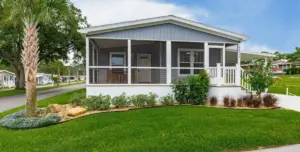
Silver Bay Palatka's Silver Springs 5006 manufactured home with gray siding, a white-trimmed screened porch, front lawn, palm tree, and landscaped garden beds.

The Silver Springs 5006 features a screened front porch with a landscaped entry, making the home’s outdoor space just as inviting as its interior.

A home purchase is one of those decisions where two people with the same budget can reach completely different conclusions. One might happily pay more to pick the finishes, while another sees a well-kept resale home and thinks, “Why mess with a good thing?” With manufactured homes, the better buy isn’t automatically the newest or the least expensive. It’s the one that matches the person who will be living there.

For anyone considering Silver Bay Palatka, the decision starts with knowing your own priorities, not someone else’s version of the perfect home. You might care about having a space for guests, keeping monthly costs predictable, or avoiding a long list of projects after closing. Get clear on what matters to you, and the choice becomes less about new vs. resale and more about finding a home you feel good calling yours.

Frequently Asked Questions

Can you remodel a resale manufactured home after buying it?

Yes, you can update flooring, cabinets, paint, and other finishes after buying a resale home. Structural changes or plumbing and electrical work require more planning and might need permits. Check local requirements before starting major renovations.

How long do manufactured homes typically last?

Manufactured homes can last 30 to 55 years, depending on installation quality, upkeep, moisture exposure, and repairs. A professional inspection can assess an individual home’s condition beyond its age alone.

Are older manufactured homes built to the same standards as newer models?

Not always. Federal HUD construction and safety standards took effect on June 15, 1976, and have been updated since then. A home’s construction date and inspection results help establish its condition and applicable standards.

Can you move a manufactured home to a different property?

Yes, but moving a manufactured home requires transport, permits, suitable land, proper installation, and compliance with zoning rules and community restrictions. Silver Bay Palatka does not accept outside manufactured homes, so buyers must purchase their home through the community.

The Best House Hunts Don’t Happen Online

Retired couple sitting outdoors and talking together during a sunny afternoon.

Moving to a new community means getting to know the people around you, and a few good laughs are a pretty great place to start.

House hunting is a lot more fun when you can stop scrolling through photos and start seeing homes in person. The team at Silver Bay Palatka can walk you through the available floor plans and finish options, answer your questions, and help you get a feel for the community. Bring your wish list, your budget, and your strongest opinions about kitchen cabinets.

New vs. resale manufactured homes might be the debate that brought you here, but you don’t have to figure out every detail on your own. The Silver Bay Palatka team is ready to help you get started. Contact us today and get information straight from the people who know the community best.

Disclaimer: Every effort is made to ensure the accuracy of the information in this article. Please credit silverbaypalatka.com when sharing and reposting.

Filed Under: Community, Manufactured Homes, Palatka Tagged With: active adult community Palatka, manufactured homes Palatka FL, SilverBay

What Life Is Really Like at Silver Bay Palatka Before You Tour

September 18, 2026 by madison

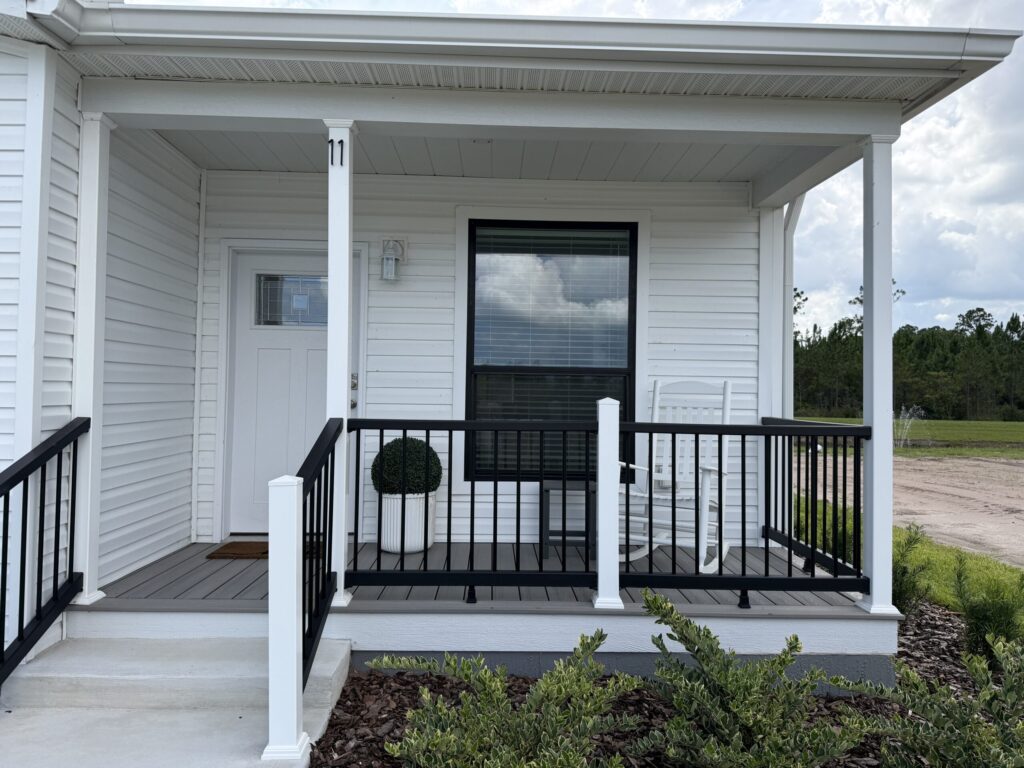
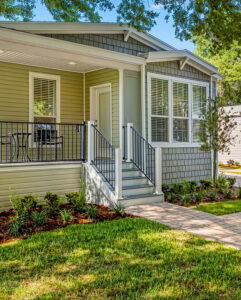
Front porch and entryway of a Silver Bay home with white siding, black railings, and landscaped shrubs.

You've probably already looked through the floor plans and browsed the amenities. Now let's skip the brochure language and spend a week at Silver Bay. What does a regular Monday feel like? Where do people end up when nobody has made plans? What happens when the grandkids come to visit?

Experiences from residents at our sister community, Villa Farms, give us a real sense of those everyday moments. Their stories about the walking paths, clubhouse, fire pit, friendships, and having less home maintenance on the to-do list bring those everyday moments to life. Think of this as a peek into those ordinary days, small routines, and spontaneous plans that give a community its personality.

Monday Morning

Older couple walking a small dog along a paved path beside a pond, with trees and flowering shrubs surrounding the walkway.

A morning walk with the dog turns an ordinary Monday into time to enjoy the outdoors and catch up with a neighbor.

Monday doesn't have to mean jumping straight into a list of chores. Maybe the morning starts with coffee at the clubhouse, followed by a walk with the dog along the community's walking paths. You have somewhere to be, but there's no rush.

The lawn isn't waiting on you, either. With yard work off the calendar, the morning feels more open. A walk turns into a conversation with a neighbor, or maybe even another coffee run at the clubhouse to chat longer. Instead of spending the first few hours of the week mowing, trimming, or tending to the yard, you get to decide what comes next.

The Social Calendar

By the time evening rolls around, the clubhouse has a whole different feel. Bingo night brings everyone around the tables, while game night has people settling in for friendly competition. Movie nights move into the entertainment area, turning an ordinary day into a reason to get out of the house.

Then there are the gatherings that happen outside. A cookout at the community grills invites neighbors together over food and conversation. Later, the fire pit becomes a place to sit, talk, and catch up as the evening cools. The schedule gives you a lot to choose from, but nobody is keeping attendance. Join the group one night and enjoy a quiet evening at home the next.

That mix is part of what makes the Silver Bay amenities feel connected to everyday life. The clubhouse, entertainment area, grills, and fire pit aren't just spaces to point out on a tour. They are places where residents meet, spend an evening, or make plans for the next one.

Having Family Visit

historic downtown palatka img

Moving to a 55+ community doesn't mean you're confined there, historic downtown Palatka is an exciting place to explore once you've settled in from your move.

Then Friday arrives, and the house has a few extra pairs of shoes by the door. The grandkids are visiting, which means the usual quiet morning feels more energetic. Everyone heads toward the pool, gathers around the community grills for lunch, and settles into an afternoon that doesn't need much planning.

The guest bedroom is ready, and there is room to spread out without turning the whole house upside down. Later, you can head out together and make a day of it. Palatka gives visiting family plenty to do, while St. Augustine and Jacksonville are close enough for a change of scenery. You can even keep a running list of things to do in Palatka year-round for the next visit. Then everyone comes back home, tired from the day and ready to relax at a home that fits them all.

The Neighbors

Spacious Silver Bay clubhouse with tables, chairs, large windows, and a stone fireplace in an open gathering area.

The Silver Bay clubhouse creates a comfortable setting for neighbors to gather, catch up, and spend time together.

A funny thing happens when you live around people who are in a similar place in life: casual conversations turn into friendships. You see the same faces on the walking paths, at the clubhouse, or gathered around the fire pit, and those familiar hellos gradually turn into actual plans.

Maybe a neighbor joins you for a walk. Maybe a quick conversation outside turns into an invitation to game night. Before long, you have people nearby who know your name, remember what you were talking about last week, and notice when you haven't made it to the usual gathering.

That social rhythm turns making new friends after retirement feel much less intimidating. You don't have to arrive knowing anyone or sign up for every activity on the calendar. Shared spaces and regular routines naturally put people in the same places, giving friendships room to develop at their own pace.

A Tuesday With Nothing Planned

Senior couple preparing to play golf beside a golf cart on a sunny afternoon.

A lighter to-do list leaves more room for hobbies, outings, and the activities you enjoy.

Tuesday is the kind of day that shows what low-maintenance living actually feels like. There is no lawn to mow, no weekend project waiting in the garage, and no running list of repairs competing for your attention.

That quiet can take some getting used to. After years of keeping up with a house, having an afternoon with nothing on the calendar feels surprisingly refreshing. Read for a while. Sit outside. Head back to the clubhouse. Call a friend. The day doesn't need to be filled just because the hours are there.

That slower rhythm gets right to the heart of whether a 55+ community is right for you. Some people love having projects waiting around the house. Others would rather spend Tuesday afternoon doing anything but yard work. At Silver Bay, your home can be the place you return to after a full day, rather than another item on the day's agenda.

What Residents at Villa Farms Say

The experiences shared by Villa Farms residents give these everyday scenes some real context. Their comments explain a community where people feel comfortable looking out for one another, settle into familiar routines, and find social connections without needing to force them.

There is also a noticeable sense of ease in the way residents describe their days. They talk about enjoying their surroundings, spending time with people they have gotten to know, and feeling settled in their homes. Those details bring the idea of community life down to earth. Silver Bay builds on that foundation, carrying the welcoming atmosphere and neighborly spirit of Villa Farms into a community of its own.

Active Adult Community Life Silver Bay Palatka: The Little Things Add Up

four senior citizens playing pickleball

Active adult living at Silver Bay means there is always room to get outside, pick up a paddle, and play a few rounds of pickleball.

The appeal of community life isn't always found in the big plans. Sometimes it is the comfort of recognizing a neighbor, knowing there is somewhere to go when you want to be social, and feeling at home during a quiet afternoon. That balance is what gives active adult community life at Silver Bay Palatka its character.

Silver Bay is a place where your days get to be your own. You bring your routines, your interests, your people, and your sense of what makes a good day. Villa Farms residents have shown us what that looks like in practice, and Silver Bay carries that same approach in its own setting.

Frequently Asked Questions

What amenities does Silver Bay Palatka have?

Silver Bay features a clubhouse, entertainment area, pool, community grills, fire pit, walking paths, and a borrowing library.

What activities are available at Silver Bay?

Activities include bingo, game nights, movies, cookouts, and firepit gatherings, alongside plenty of free time at home.

Is Silver Bay a good place to retire?

Silver Bay suits people who enjoy community activities, shared spaces, and less outdoor upkeep. Your preferred daily routine is the best guide.

What is the community like at Silver Bay Palatka?

Active adult community life at Silver Bay Palatka centers on familiar faces, casual conversations, shared activities, and time to yourself. Villa Farms resident experiences reflect the neighborly environment Silver Bay strives to create.

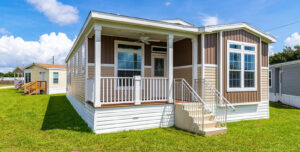
Manufactured home at Silver Bay with a covered front porch, landscaped yard, steps, and walkway leading to the entrance.

One of nine Silver Bay floor plans, this manufactured home features a welcoming front porch and landscaped yard.

How do I schedule a tour of Silver Bay?

You can schedule a tour through Silver Bay's contact page and see the homes, shared spaces, and community in person.

See Your Week at Silver Bay for Yourself

You can read about Silver Bay, scroll through photos, and learn how the community works, but none of that quite captures what an ordinary day there feels like. The real test is seeing how the setting fits your own habits, interests, and idea of what retirement should look like.

The best way to know if active adult community life at Silver Bay is right for you is to come see it. When you're ready, schedule a tour and spend an hour getting to know the community to decide if it is where you want to enjoy your retirement.

Disclaimer: Every effort is made to ensure the accuracy of the information in this article. Please credit silverbaypalatka.com when sharing and reposting.

Filed Under: Active Adult Living, Community, Palatka Tagged With: Active Senior Living, Community, Senior Living Palatka

Snowbirds Making It Permanent: Why Northeast Florida Beats the Coasts

July 31, 2026 by madison

Florida Azalea Festival - Close-up image of Azaleas

From riverfront parks to neighborhoods lined with flowering azaleas, Northeast Florida has plenty to appreciate throughout the year.

After a few winters in Florida, the routine starts to feel familiar. You make the drive south or book the flight, settle back into your favorite restaurants and walking trails, reconnect with friends, and enjoy a break from snow and freezing temperatures. Then, just as you've settled in, it's time to head north again.

For many snowbirds moving to Florida permanently, it isn't a sudden decision. It's realizing that the temporary version of Florida already feels like home. Rather than spending months packing, traveling, and keeping up two lives in two states, you can begin looking for a community where you can enjoy everything you love about Florida throughout the year.

Permanent living comes with a new set of priorities, though. A place that feels exciting for a winter getaway isn't always where you want to handle everyday errands, schedule doctor's appointments, or build lasting friendships. That's where Northeast Florida stands apart, giving you access to the Florida you enjoy without many of the tradeoffs that come with living in the state's busiest coastal destinations.

What Snowbirds Actually Want From Permanent Florida Living

st. augustine beach ramp

One of the advantages of living in Palatka is deciding when to enjoy the beach instead of dealing with the traffic and costs that come with living there every day.

Living in Florida year-round changes what matters. A mild climate is still part of the appeal, especially for those leaving behind icy sidewalks and months of cold temperatures in the Northeast. Many retirees also look for access to parks, walking trails, rivers, and other outdoor spaces where they can stay active throughout the year without planning around harsh winters.

Practical considerations carry just as much weight. Florida's lack of a state income tax continues to attract retirees looking to stretch their retirement income, while a lower cost of living than many Northeastern states helps make day-to-day expenses more manageable. Access to reliable healthcare, nearby shopping, and restaurants you can enjoy without long waits also become part of the equation once you're living in Florida full-time.

Staying connected to family remains a priority as well. Many snowbirds want to be within reasonable driving distance of major airports so visits with children and grandchildren stay simple, whether they're coming south for the holidays or you're flying north for a family celebration.

Why Coastal Florida Isn't Always the Answer

After several winters along Florida's coastline, it's no surprise when snowbirds begin looking at coastal communities first. Permanent living brings a new perspective. The places that feel exciting during a three-month stay can become more demanding once you're navigating them throughout the year. Heavy traffic, crowded parking lots, and long waits at popular restaurants become regular parts of your routine instead of occasional inconveniences.

Healthcare is also impacted by all the activity. Coastal communities attract thousands of seasonal residents every winter, increasing demand for doctor's appointments, specialists, and medical services during the busiest months of the year. Housing costs follow a similar pattern. Communities closest to the beach usually come with higher home prices, property taxes, insurance costs, and everyday expenses that continue long after vacation season ends. The appeal of living by the ocean begins to compete with the reality of paying a premium for it every month.

That doesn't mean giving up everything you enjoy about Florida. It simply means recognizing that living within driving distance of the coast can deliver many of the same experiences while making everyday life feel a little less hectic.

What Northeast Florida Offers Instead

st john river image

Waterfront living isn't limited to the coast. The St. Johns River gives Palatka its own distinctive connection to Florida's outdoors.

Northeast Florida puts many of Florida's best-known destinations within reach without asking you to live in the middle of crowds. Palatka sits along the St. Johns River, where waterfront parks, fishing, boating, and scenic walking areas are part of the local landscape. Daily life feels less hurried, while shopping, restaurants, healthcare, and other essentials remain close by.

Living inland doesn't mean giving up Florida's coastline. St. Augustine is about 45 minutes away when you're in the mood to stroll historic streets, visit local shops, or spend the afternoon by the ocean. Jacksonville's beaches are also an easy day trip, so you can enjoy the coast whenever you choose before returning home to a quieter setting.

The Cost Advantage of Palatka vs. Coastal Communities

Choosing a place to retire permanently involves more than comparing home prices. Property taxes, insurance, groceries, dining, and other recurring expenses all influence what you'll spend from month to month, making the overall cost of living worth weighing alongside everything else.

Putnam County's housing and everyday expenses tend to be lower than those in many nearby coastal counties. Home prices are also generally lower than in neighboring coastal markets, while many day-to-day expenses can also be easier to manage. That gives retirees more freedom in how they use their retirement income, whether that's traveling, pursuing hobbies, dining out, or handling unexpected expenses with added confidence.

CategoryPutnam County (Palatka)St. Johns County (St. Augustine)Volusia County (Daytona Beach)
Median Home Value*LowerHigherHigher
Annual Property Tax Bill*Lower on averageHigher on averageModerate
Overall Cost of LivingLowerHigherHigher
*Home values and annual property tax bills vary by property. Lower home values in Putnam County generally result in lower annual property tax bills than in nearby coastal counties, even when tax rates are similar.

While everyone's financial situation is different, choosing a location with a lower overall cost of living can make retirement income go further over the long term. If you'd like a closer look at how Northeast Florida compares with other retirement destinations, read our retiring in Palatka vs. St. Augustine vs. Orlando guide.

Staying Connected to Family Up North

Jacksonville International Airport is about an hour away and offers nonstop flights to many cities across the Northeast, including major travel hubs in New York, New Jersey, Pennsylvania, and Ohio. That keeps family visits convenient without adding hours of driving before or after your flight.

The practicality works both ways. Friends and relatives can reach Northeast Florida without complicated travel plans, making visits feel less like a major event and more like another reason to spend time together. Knowing family is within reach helps the decision to settle permanently feel easier.

What Permanent Florida Living Looks Like at Silver Bay

jacksonville fishing

Fishing, boating, and other outdoor hobbies become part of the calendar year instead of something you save for winter.

Once you've chosen the right part of Florida, the community itself is the next decision. At Silver Bay, residents enjoy the benefits of an active adult community without taking on the maintenance that comes with a traditional neighborhood. Lawn care and upkeep are handled for you, so your days can be spent at the clubhouse, swimming pool, community events, or exploring somewhere new in Northeast Florida.

Living in a year-round community means seeing familiar faces throughout the seasons. Clubs, activities, and neighborhood gatherings create regular opportunities to get to know your neighbors instead of reconnecting each winter. Silver Bay is also close to shopping, recreation, and healthcare near Palatka, so everyday errands and appointments stay close to home.

Turning a Seasonal Stay Into Something More

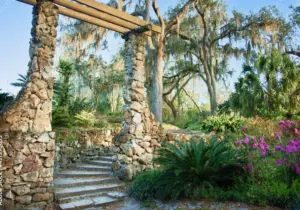
Stairs and archway surrounded by foliage, leading into Ravine Gardens state park

Choosing Palatka means having local favorites like Ravine Gardens State Park just minutes away whenever you feel like getting outside.

Moving from seasonal visitor to full-time resident isn't about recreating the same experience you've had during winter stays. It's about deciding which parts of Florida matter most once you're here throughout the year. Many snowbirds moving to Florida permanently realize that everyday conveniences, manageable costs, nearby healthcare, and a welcoming community begin to carry more weight than the priorities they had as seasonal residents.

Taking time to compare locations, communities, and amenities can make the decision feel much clearer. As you narrow your options, our complete guide to 55+ communities covers the features and questions worth considering before making your move.

Frequently Asked Questions

Is Northeast Florida a good place to retire permanently?

Retirees choose Northeast Florida for its mild climate, outdoor recreation, nearby healthcare, and lower cost of living than many of Florida's coastal communities. It also keeps beaches, historic attractions, and larger cities within easy reach.

What is the cost of living in Palatka, Florida?

Palatka's cost of living is generally lower than that of many nearby coastal communities. Lower home prices and everyday expenses can help retirees make the most of their retirement income.

Is Palatka, Florida close to the beach?

Yes. Palatka is located about 45 minutes from St. Augustine and roughly an hour from Jacksonville's beaches, making both convenient day trips.

What is the nearest airport to Palatka, Florida?

Jacksonville International Airport (JAX) is about an hour from Palatka and offers nonstop flights to many cities across the Northeast.

Why are snowbirds moving to Florida permanently?

Snowbirds moving to Florida permanently decide they're ready for a year-round home after spending several winters in the state. Northeast Florida gives them access to Florida's warm climate and outdoor recreation while avoiding many of the higher costs and crowds found in some coastal communities.

Snowbirds Moving to Florida Permanently? See What Year-Round Living Looks Like

Northeast Florida helps gives you the chance to experience the parts of Florida you love while making everyday living practical, comfortable, and connected. For snowbirds moving to Florida permanently, they can enjoy retirement knowing that the only snow forecast they'll be checking is the one back home.

Ready to make this the last season you pack the car for Florida? Schedule a tour of Silver Bay and see why so many seasonal visitors decide to stay.

Disclaimer: Every effort is made to ensure the accuracy of the information in this article. Please credit silverbaypalatka.com when sharing and reposting.
Filed Under: Active Adult Living, Palatka Tagged With: active adult community Palatka, retirement, Senior Living

Moving to a 55+ Community After Losing a Spouse: Finding Community Again

July 24, 2026 by madison

An elderly couple, outdoors sharing a hot cup of liquid (maybe tea or coffee).

Meaningful connections with neighbors can help make a new community feel familiar over time.

Life has a way of changing how we see familiar places. A home that worked well for many years may begin to raise new questions, especially when you're living there on your own. For some people, moving 55+ community after losing spouse becomes a search that starts with practical considerations rather than a firm decision. Looking into a move doesn't mean you're ready to make one. It simply means you're exploring what life could look like and whether your current home still supports that.

It's easy to focus on the home when you're weighing a move. Once you're settled in, though, your days aren't spent thinking about the house. They're spent living in the neighborhood. Seeing familiar faces on a morning walk, stopping to chat with a neighbor, or simply recognizing the people you pass each day can quietly become part of what makes a place feel like home.

The Practical Reality of Managing a Home Alone

A home holds memories, but it also comes with responsibilities that continue year after year. Routine maintenance, seasonal yard work, unexpected repairs, and household expenses still need attention, and those tasks can feel different when there is no one else to divide them with.

The neighborhood around your home matters just as much as the home itself. You might think about having someone who could lend a hand with a project, recommend a trusted repair company, or notice when something seems out of the ordinary. Small acts of neighborly support are reminders that the people around you are there when you need them.

Why Social Connection Matters More Than Ever

A group of elderly adults with their arms wrapped around each other's shoulders, kicking up their legs in a dance.

florida retirement communities

Spending time with other people has long been linked to better physical and emotional health, and that becomes especially important after the loss of a spouse. That older adults experiencing prolonged loneliness are at greater risk for depression, cognitive decline, heart disease, and other health concerns.

A neighborhood and a community aren't always the same thing. You can live on a street for years without really knowing the people around you. A community grows through repeated, everyday interactions. It's seeing the same faces at the mailbox, chatting over coffee in the clubhouse, or waving to someone on an evening walk until those brief conversations become familiar.

That's one reason many people find that making connections feels more natural in a 55+ community. Shared spaces and organized activities create opportunities to see the same neighbors again and again without the pressure of forcing friendships. We talk more about that in our article on making new friends after retirement.

What to Look for in a 55+ Community When You're on Your Own

A home that's easy to move around in can make a noticeable difference. Many retirees appreciate single-story floor plans that don't require climbing stairs throughout the day, along with a manageable amount of indoor and outdoor upkeep. A welcoming social calendar gives you the freedom to join activities when they sound enjoyable and skip them when they don't. The best communities never make participation feel like an expectation. They create easy ways for neighbors to get to know one another.

It's also worth thinking about location. Living within a comfortable drive of family, longtime friends, healthcare providers, or favorite places can make a move feel less like starting over and more like building on the life you've already created.

As you compare communities, pay attention to the things that are harder to see on a brochure. Are neighbors stopping to talk with one another? Do shared spaces feel inviting? Can you picture yourself settling into a routine that feels comfortable? Those details can tell you just as much as a floor plan or list of amenities when deciding if a 55+ community is right for you.

What Community Life Looks Like Day-to-Day

A couple of senior citizens playing cards

Maintaining friendships in retirement doesn't need to be hard when a 55+ community creates activity opportunities for you.

One morning might begin with a walk through the neighborhood before the Florida heat settles in. Another could start with coffee at the clubhouse, where conversations pick up right where they left off the day before. Some afternoons bring organized activities, while others are spent relaxing at home or catching up with neighbors outside. The Silver Bay amenities and community life make it easy to fill your week with as much activity or quiet time as you prefer.

The clubhouse stays active throughout the week with bingo, card games, puzzles, and other gatherings that bring residents together. Pickleball courts, the swimming pool, and outdoor gathering spaces give residents more places to be active. The community library, fire pit, and grills offer quieter ways to spend time with friends or unwind close to home.

The variety means there's always something happening without making the calendar feel overwhelming. Shared spaces matter because they give neighbors a reason to cross paths, something residents at our sister community, Villa Farms, have appreciated as well.

Taking the Step at Your Own Pace

A move doesn't have to begin with packing boxes. It can start with a visit, a conversation, or an afternoon spent getting to know a community. Many people return more than once before deciding anything, giving themselves time to see things they may have missed the first time around.

Bringing a family member or trusted friend can also change the experience. They may spot details you overlook, ask questions you hadn't considered, or simply make the visit feel a little less overwhelming. There's nothing wrong with taking notes, comparing impressions afterward, or sleeping on what you've seen before deciding what comes next. When you're ready, our complete guide to 55+ communities is available if you'd like to spend a little more time learning before visiting a community.

Considering a Move After Loss

Moving to a 55+ community after losing a spouse is a deeply personal decision, and there's no single way to approach it. A home that's easier to care for can make life simpler, but the people around you matter, too. Familiar neighbors, shared spaces, and opportunities to spend time with others are all part of what makes a place feel comfortable.

Taking time to read, visit communities, talk with family, and think things through are all normal parts of the process. There's no need to have every answer today. If and when you're ready to visit, Silver Bay will be here to welcome you.

Frequently Asked Questions

Is a 55+ community good for a single person?

Yes. Many single residents choose 55+ communities because shared spaces, activities, and casual conversations make it easier to connect with neighbors while still maintaining independence.

What is the minimum age to live in a 55+ community in Florida?

Most 55+ communities require at least one person in the household to be 55+ years old, though rules vary by community.

Are 55+ communities safe for people living alone?

Many people living alone appreciate the added sense of security that can come from having neighbors nearby and a community where people know one another. Features like well-maintained shared spaces, neighborhood lighting, and regular interaction with other residents can make a 55+ community feel more comfortable for single residents.

Can I move to a 55+ community if I'm recently widowed?

Yes. Many people consider a 55+ community after losing a spouse because they are looking for a home that is easier to maintain and a place where they can establish new routines. Visiting communities and involving family members can make the decision easier to navigate.

What support do 55+ communities offer for residents living alone?

A middle aged man and woman sitting on either side of a fire pit having pleasant conversation.

From the clubhouse to the pool and fire pits, shared amenities make it easy to enjoy time with neighbors whenever you choose.

55+ communities are not assisted living facilities, but they can offer social and practical benefits for independent residents. Shared spaces, activities, maintenance services, and neighbors nearby can make day-to-day life feel more connected.

Moving to a 55+ Community After Losing a Spouse: A Personal Choice

For those considering moving to a 55+ community after losing a spouse, taking the time to understand what matters most in a new home and neighborhood can make the decision feel more manageable.

At Silver Bay Palatka, you can visit the community, meet residents, and get a sense of daily life before making any decisions. If you're curious about what life here looks like, you're welcome to contact us whenever the time feels right.

Disclaimer: Every effort is made to ensure the accuracy of the information in this article. Please credit silverbaypalatka.com when sharing and reposting.
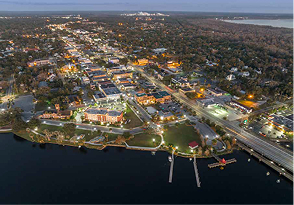
Filed Under: Community, Palatka Tagged With: Community, SilverBayPalatka

Is a 55+ Active Adult Community Right for You? 10 Questions to Ask

July 17, 2026 by madison

Exterior image of Silver Bay Palatka manufactured home.

Downsizing is made easy with Silver Bay's nine floor plans varying from 1,000-1,600 square feet.

Choosing a retirement home isn't just about what you're leaving behind. It's also about what you're choosing every morning afterward. Asking yourself is 55+ community right for you means looking past the excitement of a new home and considering the routines, surroundings, and responsibilities you want to be part of your life.

Rather than focusing on amenities or floor plans, start with yourself. The ten questions below are designed to help you think through the everyday details that influence your experience after move-in. By the end, you should have a clearer sense of whether this lifestyle aligns with what you're looking for and what to explore next.

10 Questions to Ask Yourself

Interior image of Silver Bay's manufactured home.

Personalizing your Silver Bay home requires no approval process first, unlike a condo or other living options.

1. Are You Tired of Maintaining Your Current Home?

Lawn care, landscaping, and exterior repairs don't stop just because you're retired. Reaching the point where those chores no longer feel worth the time is what leads many people to a 55+ community.

2. Do You Want a Built-In Social Life Without Having to Create It Yourself?

Starting over socially can feel intimidating after a move. Living near people with similar interests creates natural opportunities to get to know your neighbors through community clubs, activities, and casual conversations.

3. Are You Comfortable Owning Your Home but Leasing the Land?

Owning the home while leasing the homesite is different from what many people are used to. Feeling comfortable with that arrangement is an important step before choosing a land-lease community.

4. Do You Have or Want a Small Pet?

Bringing a pet into your next home shouldn't feel like an afterthought. Choosing a pet-friendly community means your companion fits into your plans just as effortlessly as everything else.

HCA Florida Putnam Hospital

HCA Florida Putnam Hospital is only a 10-minute drive away from Silver Bay.

5. Is Being Close to Healthcare Important to You?

Good healthcare is easy to overlook until an appointment pops up across town. Having doctors, specialists, and a hospital nearby can make care much easier to manage.

6. Are You Looking for Predictable Monthly Costs?

Budgeting becomes simpler when housing expenses are easier to anticipate. Monthly costs that cover several routine services eliminate many of the surprise bills that come with maintaining a house.

7. Do You Value a Single-Story Home With No Stairs?

Carrying laundry, groceries, or holiday decorations up and down the stairs gets old long before it becomes difficult. Many retirees discover they simply enjoy having everything on one level.

8. Would You Enjoy Organized Community Activities and Events?

Some weeks are busy, while others leave plenty of room for something new. Having activities close to home gives you the freedom to join in whenever something catches your interest.

9. Are You Comfortable With Community Standards and Guidelines?

Shared standards help protect the appearance of the neighborhood over time. People who appreciate consistency usually see those guidelines as part of what makes the neighborhood enjoyable.

10. Are You Ready to Downsize From a Larger Home?

Downsizing usually starts with one question: "Why am I keeping all this space?" Choosing a smaller home can mean spending less time maintaining empty rooms and more time enjoying the ones you use.

If You Answered Mostly Yes

Senior couple polishing a golf club at a golf course.

Seniors who move to an active adult community have more time to enjoy their hobbies.

Answering "yes" to most of these questions doesn't guarantee that a 55+ community is the perfect choice, but it does suggest you're looking for many of the qualities this lifestyle is designed to provide. Lower-maintenance living, opportunities to meet neighbors, predictable monthly costs, and thoughtfully planned homes all move from a wish list to something you can genuinely expect.

At Silver Bay, those priorities show up in practical ways. Single-story homes eliminate the need to navigate stairs, lot rent covers services like lawn care and irrigation, community activities make it easy to get involved, and nearby healthcare adds another layer of convenience. Our What to Ask When Touring guide can help you know all the important things to look into when visiting in person.

If You Answered Mostly No

Answering "no" to most of these questions doesn't make this the wrong article for you. It simply means a 55+ active adult community is not the direction you're likely to choose right now.

A traditional home fits retirees who want full control over their property, space for projects, or the ability to manage everything on their own terms. A condo works better for those who want reduced maintenance, convenient locations, and amenities that simplify day-to-day living. A closer look at a 55+ community vs condo vs traditional home comparison lays out more of these differences in a simple side-by-side view.

Where You Stand After Ten Questions

historic downtown palatka img

Moving to a 55+ community doesn't mean you're confined to the neighborhood; historic downtown Palatka is an exciting place to explore once you've settled in from your move.

No checklist can decide for you, but it can point you in the right direction. Picking where you want to live for retirement changes more than the place you're sleeping each night. It changes the drive to the grocery store, who waves as you walk outside, how much of your weekend belongs to housework, and what fills the hours between breakfast and dinner.

Retirement isn't a "one-size-fits-all" type of situation, and neither are active adult communities. Every neighborhood has its own mix of homes, amenities, costs, and atmosphere, which is why comparing them is necessary. Our complete guide to 55+ communities explains what separates them from one another so you know what to look for as you continue deciding if a 55+ community is right for you.

Frequently Asked Questions

Who is a 55+ active adult community designed for?

A 55+ active adult community is designed for adults who want a residential setting built around lower-maintenance living, defined age requirements, and optional social or recreational activities. It typically attracts people who are ready to simplify home upkeep and live in a more structured neighborhood environment.

What are the pros and cons of living in a 55+ community?

Pros are reduced exterior maintenance, predictable costs through services like lawn care and irrigation, and planned amenities. Cons can include age restrictions, community guidelines, and less flexibility in how property changes are made compared to a traditional home.

At what age should you move to a 55+ community?

Most 55+ communities require at least one resident to meet the minimum age requirement, which is usually 55. The decision itself depends less on age and more on whether the lifestyle and structure match what you want in a home.

Can you have visitors stay overnight in a 55+ community?

Yes. Most communities allow overnight guests for limited periods, though rules vary by community. Policies are typically designed to maintain the age-restricted nature of long-term residency while still allowing family and friends to visit.

What is the social life like in a 55+ community?

Social life in a 55+ community is right for you if you enjoy organized events, shared spaces, and informal gatherings among neighbors. Participation is optional, so residents can be as involved or independent as they prefer.

Finding Out If a 55+ Community Is Right for You at Silver Bay

If the answers are pointing you toward a 55+ community, the next step is simple: see one in person. The homes, layout, and the day-to-day setting can help you decide for good if a 55+ community is right for you.

Contact us to schedule a visit to Silver Bay Palatka and experience all the features that are hard to appreciate from an article.

Disclaimer: Every effort is made to ensure the accuracy of the information in this article. Please credit silverbaypalatka.com when sharing and reposting.
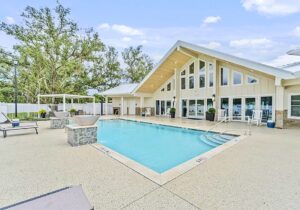
Filed Under: Active Adult Living, Community, Palatka Tagged With: Active Senior Living, Community, SilverBayPalatka

Comparing 55+ Community vs. Condo vs. Traditional Home for Retirement

July 10, 2026 by madison


Senior couple high-fiving in front of an open laptop and laughing.

Senior couple celebrating their decision to move into a 55+ active adult community.

You can spend weeks comparing retirement homes and still feel stuck. That usually isn't because the numbers don't add up. It's because you're trying to picture a life you haven't lived yet. Most people spend decades choosing a home around work, school schedules, or how long the morning commute takes. Retirement has a way of reshuffling the list of priorities.

A search for 55+ community vs condo vs house retirement puts three very different ways of living side by side. One lets you call every shot, another hands many responsibilities to an HOA, and the third introduces a neighborhood built for active adults. None of those choices is automatically better than the others. What matters is finding a home you'll still be happy to come back to after the excitement of moving has worn off.

The Traditional Home: What You Keep and What You Give Up

A couple of senior citizens playing cards

Maintaining friendships in retirement doesn't need to be hard when a 55+ community creates opportunities for you.

For many retirees, the easiest move is no move at all. The house already fits your routine because it's been doing that for years. Walking away from that kind of familiarity isn't a small decision, and it helps explain why so many people choose to stay right where they are.

One of the biggest advantages is simple: the house and the land beneath it are yours. If the kitchen is due for an update, you can start calling contractors tomorrow. If you've been talking about building a new shed for the last decade, nobody is waiting to approve the plans. You're also paying for the property itself and not a monthly lot rent.

That control comes with a tradeoff. Every repair lands on your to-do list, whether it's replacing a water heater or figuring out why the sprinkler system suddenly quit working. Some people enjoy taking care of their home. Others reach a point where spending Saturday on a ladder sounds a lot less appealing than it used to. Those fixes are all money out of your own pocket, and property taxes are another yearly expense you have to budget for.

The house itself may stay the same, but the way you move through it can change. A two-story layout, a large yard, or a long driveway might be more of a strain to navigate. The neighborhood grows different too as friends move closer to grandchildren. Those shifts don't erase everything that's great about a traditional home, but it does make the decision less straightforward.

The Condo: Convenience With Tradeoffs

Retirees are drawn to condos because they offer a simpler approach to homeownership. Roof repairs, exterior painting, lawn care, and other shared maintenance are typically managed by the association, leaving you with fewer projects to do yourself. Many condo communities are also close to shopping, restaurants, healthcare, and other everyday essentials, which makes getting around a little easier.

The convenience comes with a few strings attached. HOA fees add up quickly and can even cost more each month than lot rent in a 55+ community. Those fees also don't guarantee complete freedom over your home, and something as simple as repainting your front door may require approval first.

Downsizing into a condo can feel refreshing until there's nowhere to store holiday decorations, fishing gear, or the hobby you've been meaning to spend more time on. Then there are pets. Some condo communities welcome them, while others limit the number, size, or breed. Even if your pet is welcome, without a yard, every bathroom break becomes another trip outside.

None of this makes condo living a bad choice. The key is deciding whether the convenience outweighs the compromises that come with community rules and shared decision-making.

The 55+ Active Adult Community: What Makes It Different

Interior image of dining room in Silver Bay's Cottage Farmhouse floor plan.

Silver Bay has nine floorplans that range from 1,000 to 1,600 square feet.

A 55+ active adult community takes pieces from a traditional home and condo to create its own distinct experience. You still have a private home, but many of the responsibilities that come with homeownership no longer land entirely with you.

Instead of spending weekends worrying about lawn care or maintenance to the outside of your home, those chores are already being handled. Homes can often be personalized to match your style, pets are welcome in many communities, and you still have room to spread out without feeling boxed in.

The biggest difference is the community itself. You're surrounded by neighbors who are also in retirement, which naturally creates more opportunities to build friendships and stay involved. Resort-style amenities become part of your routine instead of something you only enjoy while traveling.

If you’re wondering what it costs to live at Silver Bay, you own the home but not the land beneath it, meaning you pay a monthly lot rent. Community rules help keep the neighborhood looking its best while setting clear expectations for everyone who lives there. Depending on what you are looking for, these compromises are worth the lower overall cost, welcoming atmosphere, and maintenance-free lifestyle.

Side-by-Side Comparison: 55+ Community vs Condo vs House Retirement

FeatureTraditional HomeCondo55+ Active Adult Community
Monthly CostMortgage (if applicable), property taxes, homeowners insurance, maintenanceHOA fees, homeowners insurance, property taxes (if owned), exterior maintenance typically includedLot rent, home payment (if financed), many exterior maintenance services included
Maintenance ResponsibilityFully your responsibilityExterior maintenance is typically handled by the associationMany exterior maintenance responsibilities are included
CustomizationGreatest flexibility to personalize your homeExterior changes are often subject to HOA approvalHomes can often be personalized while following community guidelines
Social OpportunitiesDepends largely on your neighborhoodVaries by communityBuilt-in opportunities to meet neighbors through community amenities and activities
Pet PolicyDetermined by the homeownerMay include pet restrictions or limitsPets are welcome in many communities
SpaceGenerally offers the most indoor and outdoor spaceTypically smaller living spaces with little or no yardOften offers more living space than a condo while remaining easier to maintain
Land OwnershipYou own the home and the landYou typically own the unit and share ownership of common areasYou own the home but lease the land
Total Cost of EntryOften the highest upfront investmentModerate to high depending on location and HOA feesOften lower than purchasing a comparable traditional home

Which Is Right for You?

Exterior image of one of Silver Bay's manufactured homes.

Living in a 55+ community means every cup of morning coffee can be paired with the view from your home's porch.

Every retirement housing option solves one set of problems while asking you to accept another. It's not about which one wins on paper, but rather what makes the most sense for your vision of retirement.

A traditional home may be exactly what you're looking for if owning your home is a priority. A condo is worth considering if you'd happily exchange some control for less exterior maintenance and a convenient location. A 55+ active adult community is somewhere in the middle, giving you a private home with fewer day-to-day responsibilities and a neighborhood designed for active adults.

Monthly housing costs are easier to compare when you know what's included. Property taxes, HOA fees, lot rent, insurance, and maintenance can all affect what you actually spend from month to month. If you're weighing those expenses, our guide to lot rent vs HOA fees vs property taxes explains how each housing model works.

Still curious about life in an active adult community? The complete guide to 55+ communities elaborates on what makes these neighborhoods unique and what you can expect as a resident.

Finding the Best Place to Call Home

Choosing between a 55+ community vs condo vs house retirement comes down to more than comparing monthly costs or square footage. Each option creates a different retirement experience, and the best choice depends on what you're ready to leave behind and what you'd rather keep.

Some retirees wouldn't trade the independence of a traditional home for anything. Others appreciate the simplicity of condo living or the balance that a 55+ active adult community can provide. Taking an honest look at your own wants and needs often points you toward the answer long before the numbers do.

Frequently Asked Questions

Is a 55+ community cheaper than a condo?

It can be. Comparing a 55+ community vs condo vs house retirement depends on more than the monthly payment. HOA fees, lot rent, property taxes, insurance, and maintenance all affect the total cost.

Do you own your home in a 55+ community?

In many land-lease communities, including Silver Bay, you own the home but lease the land beneath it through a monthly lot rent.

What are the disadvantages of living in a 55+ community?

The biggest cons are monthly lot rent, community rules, and age qualifications. For some retirees, those are worthwhile in exchange for lower maintenance, amenities, and an active social environment.

Is it better to rent or buy in retirement?

That depends on your financial goals and how long you plan to stay in one place. Buying can build equity and provide stability, while renting offers greater flexibility with fewer long-term responsibilities.

What is the difference between a 55+ community and an HOA community?

A 55+ community is designed specifically for active adults and typically includes age restrictions, amenities, and organized activities. An HOA community can include residents of all ages and focuses primarily on maintaining neighborhood standards and shared property.

senior communities in st augustine fl

After your move to Silver Bay you can explore more of Palatka, including the beautiful downtown city area.

See Silver Bay for Yourself

Reading about a 55+ community vs condo vs house retirement can help narrow your options, but some decisions are easier to make in person.

If the 55+ community model feels like the direction you're heading, Silver Bay Palatka is worth a look. Schedule a tour and see firsthand what makes our community feel like home.

Disclaimer: Every effort is made to ensure the accuracy of the information in this article. Please credit silverbaypalatka.com when sharing and reposting. 
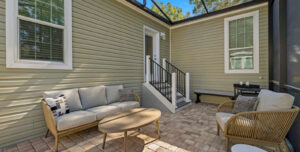
Filed Under: Active Adult Living, Palatka Tagged With: Active Living, Community, retirement

Active Adult Community in Palatka vs. Assisted Living: What’s the Difference?

June 23, 2026 by anoadmin

A couple of senior citizens playing cards

Social activities help bring neighbors together throughout the year at Silver Bay.


Active Adult Community vs. Assisted Living in Palatka, FL

When Silver Bay Is the Right Fit

When you start looking into senior living options, the terminology can get confusing pretty quickly. Active adult living, independent living, assisted living, memory care, nursing homes... it feels like you need a dictionary just to understand what you're looking at! And when you're trying to find the right place for yourself or a loved one, the last thing you need is more confusion.

Today, we're going to clear up one of the most common questions people ask: What's the difference between active adult living and assisted living? More importantly, which one is right for you or your loved one in Palatka?

Let's break it down in plain English, no jargon required.

What Is Active Adult Living?

Active adult living (sometimes called independent living) is designed for older adults who are thriving on their own. These are 55+ communities where residents do not need help with daily activities like bathing, dressing, or taking medications. They are healthy, active, and fully capable of managing their own lives.

If you're deciding whether a 55+ community is the right fit, read our guide comparing an active adult community vs assisted living in Palatka to better understand the differences before making your decision.

So why would someone move to an active adult living community if they're doing fine on their own? Great question! Here are the main reasons people make this move:

They're tired of maintaining a house.

No more mowing lawns, fixing leaky faucets, or worrying about when the roof needs replacing. Active adult living communities handle all the exterior maintenance and yard work, giving you back your weekends. To learn more about the benefits of switching from a single-family residence to luxury active adult living, visit our post on "How Downsizing Square Footage Can Upgrade your life." 

They want a built-in social life.

Living alone in a house can get lonely, especially after losing a spouse or when family lives far away. Active adult living communities are buzzing with activities, events, and opportunities to make friends with people in similar life stages.

They want convenience and amenities.

clubhouse and social center img

From casual conversations to organized events, the clubhouse at Silver Bay brings residents together.

Clubhouses, pools, fitness centers, organized activities, and sometimes even restaurants, all right in your community. It's like living in a resort.

They want to simplify their lives.

Retirees only have to think about one predictable monthly payment instead of juggling property taxes, maintenance costs, and surprise repair bills. No more collecting quotes from contractors or dealing with service calls.

They're planning ahead.

Smart retirees know that moving while you're still healthy and active is easier than waiting until you have no choice. Getting settled in a community now means you're already home if your needs change down the road.

At its core, active adult living is about maximizing your retirement freedom. You own or lease your own private living space (often a manufactured home, apartment, or villa), and you live completely independently. The community makes life easier and more enjoyable.

While having quality healthcare nearby is important, it's also helpful to understand the differences between active adult living and assisted living in Palatka so you can choose the retirement lifestyle that best meets your current and future needs.

Silver Bay Is an Active Adult Community: Here's What That Means in Practice

The phrase "active adult community" gets used frequently in conversations about retirement, but it can mean different things to different people. At Silver Bay, it simply means the community is designed for adults age 55 and older who are looking for a neighborhood environment rather than a care setting.

Residents live in their own homes and maintain the routines they've already established. They choose how they spend their time, where they go, and which activities they participate in. Some residents enjoy traveling, some stay busy with hobbies, and others appreciate having more time to spend with friends and family after downsizing from a larger property.

The community itself is designed to remove some of the responsibilities that often come with traditional homeownership. Services such as lawn care, landscaping, and common area maintenance are handled for residents, allowing them to spend less time managing a property and more time focusing on the things that matter most to them.

Just as importantly, Silver Bay Palatka is not an assisted living facility. Residents are not moving here because they need assistance with daily activities. They are choosing a community that offers a simpler housing option, access to amenities, and the opportunity to live among neighbors who are in a similar stage of life.

For many adults, that combination of homeownership, reduced upkeep, and a community designed specifically for residents 55 and older is what makes active adult living appealing in the first place.

What Is Assisted Living?

Assisted living is the next level up in terms of care and support. It's designed for seniors who need regular help with daily activities but don't require the intensive medical care you'd find in a nursing home.

In assisted living facilities, trained staff members are available 24/7 to help residents with things like bathing and showering, getting dressed, medication management, mobility assistance (help getting around safely), toileting and incontinence care, and eating (if needed).

The key phrase here is "activities of daily living," or ADLs. If someone is struggling with these basic tasks, assisted living provides the support they need while still allowing them to maintain as much independence and dignity as possible.

Assisted living residents typically have their own private or semi-private apartments within a facility. These communities usually offer three meals a day in a common dining room, housekeeping and laundry services, organized social activities and programs, medication reminders and assistance, and help arranging transportation to medical appointments.

Unlike active adult living, where you're completely on your own, assisted living provides hands-on support from caregivers. A nurse is typically on-site for a good portion of the day, and staff members are always available to respond to emergencies.

Active Adult Communities vs. Care-Based Senior Living

Let's look at how these two options compare side by side:

FeatureActive Adult LivingAssisted Living
Level of IndependenceCompletely independent. You handle your own personal care and daily activities.Staff provide assistance with personal care tasks as needed.
Medical CareNo medical care provided. You see your own doctors and manage your own health.Medication management, health monitoring, and healthcare coordination. Nurses are often on-site.
Living SpacePrivate homes, apartments, or manufactured homes with full kitchens and more living space.Private or semi-private apartments, often with kitchenettes and shared dining options.
Daily ScheduleCome and go as you please. Community activities are available but optional.Daily routines are often built around meals, activities, and care services.
MealsResidents prepare their own meals or dine out.Meals are typically provided by the community.
MaintenanceLawn care and exterior maintenance may be included, depending on the community.Maintenance is typically handled by staff.
TransportationResidents arrange their own transportation.Transportation services may be available.
CostManufactured home communities with lot rent may range from $500-$800 per month. Independent living apartment communities often exceed $3,000 per month.Florida assisted living averages about $4,750 per month, with costs ranging from roughly $2,295-$8,055 depending on location and care needs.
HomeownershipResidents may own their homes, depending on the community.Residents typically rent their living space.
Best ForHealthy, independent adults seeking a 55+ lifestyle with fewer maintenance responsibilities.Adults who need daily assistance but do not require nursing home-level care.

Active adult communities and assisted living communities have completely different goals in mind. Understanding those differences can help narrow your search and focus on communities that align with your current lifestyle, preferences, and priorities. For additional information about active adult living, check out our complete guide to 55+ active adult communities in Florida.

Key Takeaways: Active Adult Communities vs. Assisted Living

When deciding between these two options, it helps to look at your current daily routine. Ask yourself what kind of environment will best support your lifestyle and long-term goals.

Active Adult Communities are best if:

  • You are fully independent and do not require help with daily medical or personal care.

  • You want to eliminate the hassles of home maintenance, landscaping, and major repairs.

  • You are looking for a vibrant, neighborhood atmosphere with built-in social opportunities.

  • You want access to resort-style amenities like clubhouses, pools, and organized activities.

  • You want a predictable monthly housing cost to simplify your retirement finances.

Assisted Living is best if:

  • You or your loved one needs daily assistance with activities of daily living (ADLs) like bathing or dressing.

  • Medication management and regular health monitoring are required.

  • Cooking, cleaning, and laundry have become too difficult to manage safely.

  • Around-the-clock access to professional caregivers and staff is a priority for peace of mind.

  • You need help arranging reliable transportation to medical appointments.

Choosing the Right Path for Your Retirement

Making the transition to a retirement community is a significant milestone, and understanding your options ensures you make the right choice for your future. Active adult communities and assisted living facilities serve completely different purposes, but both are designed to enhance the quality of life for seniors.

If you are looking to maximize your independence, shed the burdens of traditional homeownership, and enjoy a lively, neighborhood-focused lifestyle, an active adult community like Silver Bay Palatka offers the perfect balance. It allows you to focus on your hobbies, your health, and your community without the stress of ongoing property upkeep.

On the other hand, if safety, daily physical support, and medical peace of mind are the primary concerns, assisted living provides the structured care environment necessary to thrive securely.

Take the time to tour communities, ask questions about daily operations, and think honestly about your current and future needs. The right environment will not feel like a compromise—it will feel like home.

Silver Bay is a strong fit for independent adults 55+ who want the benefits of community living without the care structure of assisted living. Residents at Silver Bay enjoy their own private homes, a neighborhood atmosphere, and amenities that support an active and social lifestyle. This makes it a good option for people who want to downsize, simplify home upkeep, and enjoy more connection and convenience while still living independently. Unlike assisted living, Silver Bay is not designed for residents who need daily medical support, personal care assistance, or help with routine living activities. Instead, it is designed for adults who can manage day-to-day life on their own and want a comfortable home in a well-kept 55+ community. For many retirees, that means having the freedom of independent living along with the advantages of a lower-maintenance environment, planned amenities, and nearby access to shopping, dining, and healthcare in the Palatka area. For someone comparing lifestyle options in Palatka, the key question is not simply which setting is available, but which one matches their current needs. If the goal is independence, comfort, community, and a home that feels like your own, Silver Bay offers a practical alternative to assisted living and a more flexible fit for the right stage of retirement.`

Disclaimer: Every effort is made to ensure the accuracy of the information in this article. Please credit silverbaypalatka.com when sharing and re-posting.

Filed Under: Active Adult Living, Palatka Tagged With: Active Senior Living, Lifestyle, Luxury Living, SilverBayPalatka

  • 1
  • 2
  • 3
  • Next Page »
silver bay logo v2

Silver Bay Luxury Living is now open, offering a vibrant 55+ community where residents can enjoy an active, care-free lifestyle without the responsibilities of traditional homeownership. Proudly family-owned and family-operated, and with 100 thoughtfully planned home sites, high-quality manufactured homes, and resort-style amenities, Silver Bay is ready to welcome you home in Palatka, Florida.

  • Welcome
  • Our Homes
  • Amenities
  • Location
  • Property Map
  • FAQ
  • Silver Bay Living
  • Contact Us
  • Portal
villa-farms-blue img
palatka logo

Silver Bay is proud to be the sister community of Villa Farms, Palatka Daily New’s Readers' Choice award winner for Best Retirement Community since 2008. Experience the same quality, community, and care-free living at Silver Bay.

Call Now
Schedule a Tour

At silver bay, we love what we do. © 2026. Silver Bay Luxury Living, Inc. All Rights Reserved.
 Website powered by AnoLogix. Privacy Policy

Discover Palatka’s Newest 55+ Community

Silver Bay Grand Opening!

Come experience a community designed specifically for adults 55+. Tour our model homes, explore Silver Bay, meet our owners, and enjoy refreshments.

September 10th · 6:00 PM

7110 Old Wolf Bay Road, Palatka FL 32177

silverbay logo white

A premiere 55+
community in Palatka,
Florida — now open and welcoming new residents.

Contact us

7110 Old Wolf Bay Rd.
Palatka, FL 32177

386-242-2488

Ready to Tour
Silver Bay?

Experience our now-open 55+ community in Palatka, FL.

Ready to Tour
Silver Bay?

Share your contact information below, and a member of our team will call you to schedule your personal tour.

Experience our now-open 55+ community in Palatka. Share your contact information below, and a member of our team will call you to answer your questions and schedule your personal tour.

"*" indicates required fields

We’ll contact you soon to find a tour time that works best for you.