
Social activities help bring neighbors together throughout the year at Silver Bay.
Active Adult Community vs. Assisted Living in Palatka, FL
When Silver Bay Is the Right Fit
When you start looking into senior living options, the terminology can get confusing pretty quickly. Active adult living, independent living, assisted living, memory care, nursing homes... it feels like you need a dictionary just to understand what you're looking at! And when you're trying to find the right place for yourself or a loved one, the last thing you need is more confusion.
Today, we're going to clear up one of the most common questions people ask: What's the difference between active adult living and assisted living? More importantly, which one is right for you or your loved one in Palatka?
Let's break it down in plain English, no jargon required.
What Is Active Adult Living?
Active adult living (sometimes called independent living) is designed for older adults who are thriving on their own. These are 55+ communities where residents do not need help with daily activities like bathing, dressing, or taking medications. They are healthy, active, and fully capable of managing their own lives.
If you're deciding whether a 55+ community is the right fit, read our guide comparing an active adult community vs assisted living in Palatka to better understand the differences before making your decision.
So why would someone move to an active adult living community if they're doing fine on their own? Great question! Here are the main reasons people make this move:
They're tired of maintaining a house.
No more mowing lawns, fixing leaky faucets, or worrying about when the roof needs replacing. Active adult living communities handle all the exterior maintenance and yard work, giving you back your weekends. To learn more about the benefits of switching from a single-family residence to luxury active adult living, visit our post on "How Downsizing Square Footage Can Upgrade your life."
They want a built-in social life.
Living alone in a house can get lonely, especially after losing a spouse or when family lives far away. Active adult living communities are buzzing with activities, events, and opportunities to make friends with people in similar life stages.
They want convenience and amenities.
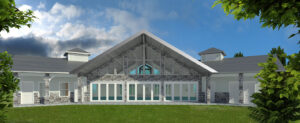
From casual conversations to organized events, the clubhouse at Silver Bay brings residents together.
Clubhouses, pools, fitness centers, organized activities, and sometimes even restaurants, all right in your community. It's like living in a resort.
They want to simplify their lives.
Retirees only have to think about one predictable monthly payment instead of juggling property taxes, maintenance costs, and surprise repair bills. No more collecting quotes from contractors or dealing with service calls.
They're planning ahead.
Smart retirees know that moving while you're still healthy and active is easier than waiting until you have no choice. Getting settled in a community now means you're already home if your needs change down the road.
At its core, active adult living is about maximizing your retirement freedom. You own or lease your own private living space (often a manufactured home, apartment, or villa), and you live completely independently. The community makes life easier and more enjoyable.
While having quality healthcare nearby is important, it's also helpful to understand the differences between active adult living and assisted living in Palatka so you can choose the retirement lifestyle that best meets your current and future needs.
Silver Bay Is an Active Adult Community: Here's What That Means in Practice
The phrase "active adult community" gets used frequently in conversations about retirement, but it can mean different things to different people. At Silver Bay, it simply means the community is designed for adults age 55 and older who are looking for a neighborhood environment rather than a care setting.
Residents live in their own homes and maintain the routines they've already established. They choose how they spend their time, where they go, and which activities they participate in. Some residents enjoy traveling, some stay busy with hobbies, and others appreciate having more time to spend with friends and family after downsizing from a larger property.
The community itself is designed to remove some of the responsibilities that often come with traditional homeownership. Services such as lawn care, landscaping, and common area maintenance are handled for residents, allowing them to spend less time managing a property and more time focusing on the things that matter most to them.
Just as importantly, Silver Bay Palatka is not an assisted living facility. Residents are not moving here because they need assistance with daily activities. They are choosing a community that offers a simpler housing option, access to amenities, and the opportunity to live among neighbors who are in a similar stage of life.
For many adults, that combination of homeownership, reduced upkeep, and a community designed specifically for residents 55 and older is what makes active adult living appealing in the first place.
What Is Assisted Living?
Assisted living is the next level up in terms of care and support. It's designed for seniors who need regular help with daily activities but don't require the intensive medical care you'd find in a nursing home.
In assisted living facilities, trained staff members are available 24/7 to help residents with things like bathing and showering, getting dressed, medication management, mobility assistance (help getting around safely), toileting and incontinence care, and eating (if needed).
The key phrase here is "activities of daily living," or ADLs. If someone is struggling with these basic tasks, assisted living provides the support they need while still allowing them to maintain as much independence and dignity as possible.
Assisted living residents typically have their own private or semi-private apartments within a facility. These communities usually offer three meals a day in a common dining room, housekeeping and laundry services, organized social activities and programs, medication reminders and assistance, and help arranging transportation to medical appointments.
Unlike active adult living, where you're completely on your own, assisted living provides hands-on support from caregivers. A nurse is typically on-site for a good portion of the day, and staff members are always available to respond to emergencies.
Active Adult Communities vs. Care-Based Senior Living
Let's look at how these two options compare side by side:
| Feature | Active Adult Living | Assisted Living |
| Level of Independence | Completely independent. You handle your own personal care and daily activities. | Staff provide assistance with personal care tasks as needed. |
| Medical Care | No medical care provided. You see your own doctors and manage your own health. | Medication management, health monitoring, and healthcare coordination. Nurses are often on-site. |
| Living Space | Private homes, apartments, or manufactured homes with full kitchens and more living space. | Private or semi-private apartments, often with kitchenettes and shared dining options. |
| Daily Schedule | Come and go as you please. Community activities are available but optional. | Daily routines are often built around meals, activities, and care services. |
| Meals | Residents prepare their own meals or dine out. | Meals are typically provided by the community. |
| Maintenance | Lawn care and exterior maintenance may be included, depending on the community. | Maintenance is typically handled by staff. |
| Transportation | Residents arrange their own transportation. | Transportation services may be available. |
| Cost | Manufactured home communities with lot rent may range from $500-$800 per month. Independent living apartment communities often exceed $3,000 per month. | Florida assisted living averages about $4,750 per month, with costs ranging from roughly $2,295-$8,055 depending on location and care needs. |
| Homeownership | Residents may own their homes, depending on the community. | Residents typically rent their living space. |
| Best For | Healthy, independent adults seeking a 55+ lifestyle with fewer maintenance responsibilities. | Adults who need daily assistance but do not require nursing home-level care. |
Active adult communities and assisted living communities have completely different goals in mind. Understanding those differences can help narrow your search and focus on communities that align with your current lifestyle, preferences, and priorities. For additional information about active adult living, check out our complete guide to 55+ active adult communities in Florida.
Key Takeaways: Active Adult Communities vs. Assisted Living
When deciding between these two options, it helps to look at your current daily routine. Ask yourself what kind of environment will best support your lifestyle and long-term goals.
Active Adult Communities are best if:
You are fully independent and do not require help with daily medical or personal care.
You want to eliminate the hassles of home maintenance, landscaping, and major repairs.
You are looking for a vibrant, neighborhood atmosphere with built-in social opportunities.
You want access to resort-style amenities like clubhouses, pools, and organized activities.
You want a predictable monthly housing cost to simplify your retirement finances.
Assisted Living is best if:
You or your loved one needs daily assistance with activities of daily living (ADLs) like bathing or dressing.
Medication management and regular health monitoring are required.
Cooking, cleaning, and laundry have become too difficult to manage safely.
Around-the-clock access to professional caregivers and staff is a priority for peace of mind.
You need help arranging reliable transportation to medical appointments.
Choosing the Right Path for Your Retirement
Making the transition to a retirement community is a significant milestone, and understanding your options ensures you make the right choice for your future. Active adult communities and assisted living facilities serve completely different purposes, but both are designed to enhance the quality of life for seniors.
If you are looking to maximize your independence, shed the burdens of traditional homeownership, and enjoy a lively, neighborhood-focused lifestyle, an active adult community like Silver Bay Palatka offers the perfect balance. It allows you to focus on your hobbies, your health, and your community without the stress of ongoing property upkeep.
On the other hand, if safety, daily physical support, and medical peace of mind are the primary concerns, assisted living provides the structured care environment necessary to thrive securely.
Take the time to tour communities, ask questions about daily operations, and think honestly about your current and future needs. The right environment will not feel like a compromise—it will feel like home.
Silver Bay is a strong fit for independent adults 55+ who want the benefits of community living without the care structure of assisted living. Residents at Silver Bay enjoy their own private homes, a neighborhood atmosphere, and amenities that support an active and social lifestyle. This makes it a good option for people who want to downsize, simplify home upkeep, and enjoy more connection and convenience while still living independently. Unlike assisted living, Silver Bay is not designed for residents who need daily medical support, personal care assistance, or help with routine living activities. Instead, it is designed for adults who can manage day-to-day life on their own and want a comfortable home in a well-kept 55+ community. For many retirees, that means having the freedom of independent living along with the advantages of a lower-maintenance environment, planned amenities, and nearby access to shopping, dining, and healthcare in the Palatka area. For someone comparing lifestyle options in Palatka, the key question is not simply which setting is available, but which one matches their current needs. If the goal is independence, comfort, community, and a home that feels like your own, Silver Bay offers a practical alternative to assisted living and a more flexible fit for the right stage of retirement.`
Disclaimer: Every effort is made to ensure the accuracy of the information in this article. Please credit silverbaypalatka.com when sharing and re-posting.