• FAQ
  • Contact Us
  • Portal
  • Call us: 386-242-2488
silver-bay-logo

Silver Bay

Luxury Living

  • Welcome
  • Our Homes
  • Amenities
  • Location
  • Silver Bay Living
  • Property Map

Active, maintenance-free lifestyle in a vibrant community for your comfort and enjoyment.

7110 Old Wolf Bay Rd., Palatka, FL 32177
CALL US: 386-242-2488

fb icon ig icon

Call Us
Map
FAQ

Manufactured Homes

How to Choose a Floor Plan When You’re Downsizing to 1,000–1,600 Sq Ft

May 26, 2026 by anoadmin

Moving from a 2,400 square foot house into something between 1,000 and 1,600 square feet is a different kind of decision than most home purchases. For decades, buying a home was partly about capacity: enough bedrooms, enough storage, enough room for the life you were building. Downsizing is the opposite exercise, it’s figuring out what you need and choosing a floor plan that serves that, rather than one that anticipates every possible future use.

Most people who are about to downsize never have to think this carefully about space. This guide walks you through the questions that matter, so you can walk into a floor plan showing with a clear sense of what you’re looking for.

Start by Asking What Rooms You Actually Use

Before you look at a single floor plan, do this exercise: walk through your current home and categorize every room.
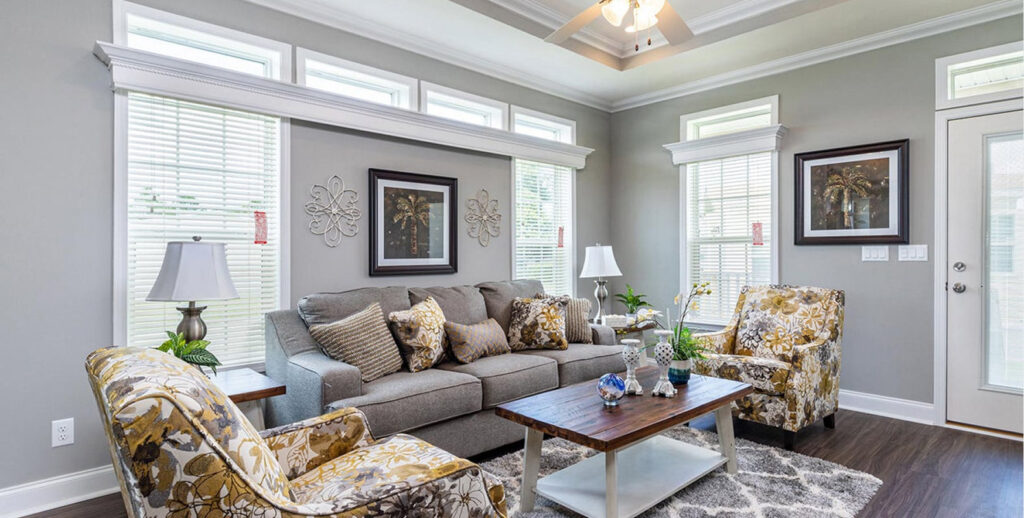
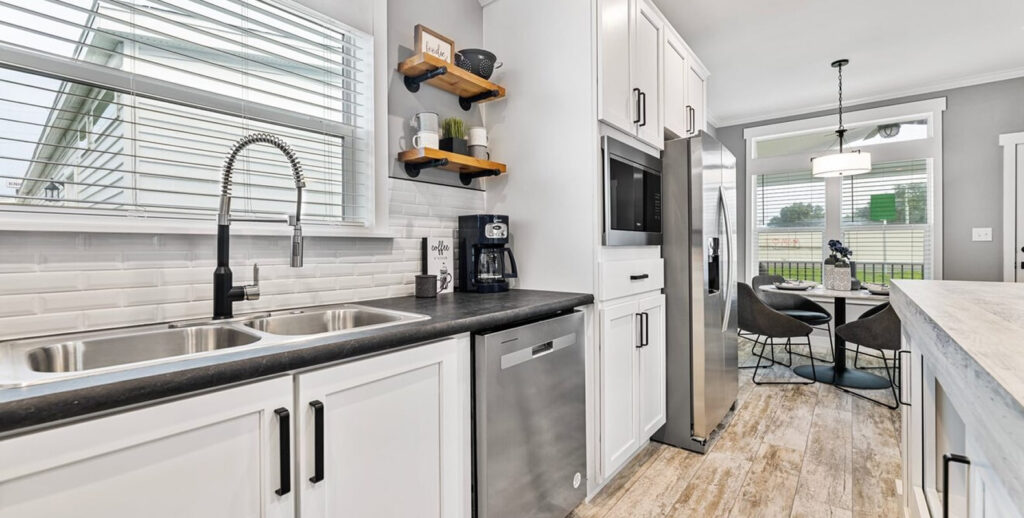
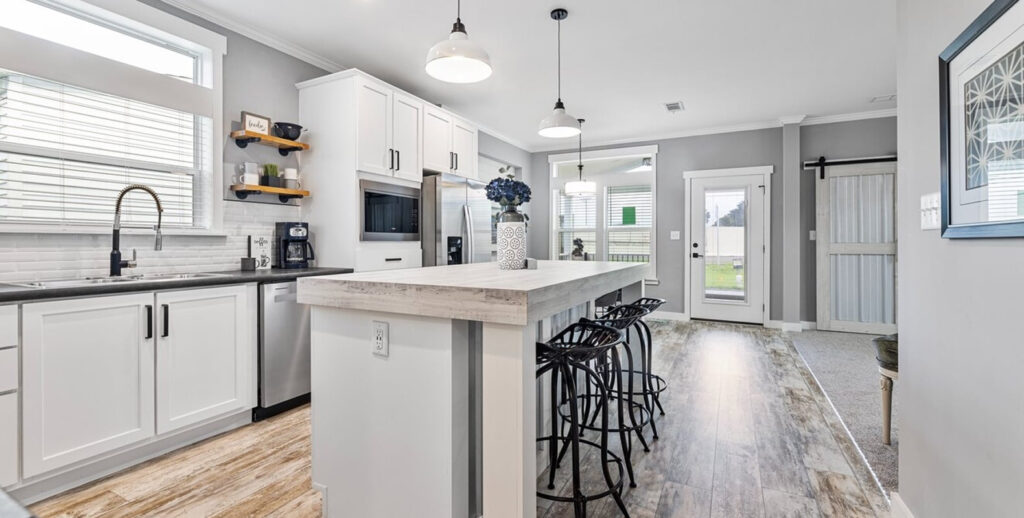
pierce img 25

Daily use things like the kitchen, a bathroom, the primary bedroom, wherever you sit and spend time. Occasional use rooms such as the guest room when family visits, maybe the garage. Rooms you never use might be the formal dining room, the third bedroom, the sitting room off the entryway that has a chair and a lamp and nothing else.

Most retirees in homes over 2,000 square feet find that they’re regularly using 40 to 50 percent of the space. The rest is overhead: you’re heating it, cooling it, cleaning it, and paying taxes on it. That exercise doesn’t tell you exactly what size to choose, but it gives you an honest starting point for what you need to house.

Single-Story Living: Why It Matters More Than You Think

If your current home has stairs, you may have already noticed that they factor into your daily life differently than they did ten years ago. A single-story floor plan isn’t a concession, it’s a design choice that makes practical sense at any stage of life and becomes more important over time. No carrying laundry up and down. No trip hazards in the middle of the night. No room that’s effectively inaccessible when a knee flares up.

All Silver Bay homes are single-story. This isn’t a footnote, it’s a feature worth naming specifically, because it’s one of the things people most consistently mention after they’ve made the move as something they hadn’t fully appreciated before they did.

The Guest Bedroom Question

This is the decision that causes the most deliberation, and it’s worth thinking honestly rather than defaulting to the maximum. How often do family actually visit? For how long? Do grandchildren need their own space, or do they share? Is a dedicated guest room used more than a handful of times a year?

For many retirees, the honest answer is that guests come two or three times a year and stay for a long weekend. A two-bedroom floor plan handles that comfortably. For grandparents who expect extended stays or multiple family groups visiting at once, a three-bedroom plan makes sense. The question is real occupancy, not hypothetical occupancy.

Silver Bay’s two-bedroom plans – including the Hayden at 1,029 square feet and the Alexa at 1,200 square feet – are designed with a dedicated guest room that works for the realistic visitation most families have. The three-bedroom options give you the extra room if you know you’ll use it. See the full Silver Bay floor plans to compare layouts side by side.
pierce img 07

Open Plan vs. Defined Rooms

Open-concept floor plans connect the kitchen, dining, and living areas without walls between them, and they have become standard in modern home design for good reason. They make smaller square footage feel larger, they support the way most people use a home day-to-day, and they work well for entertaining without requiring a formal dining room that sits empty most of the time.

The trade-off is noise and privacy. If you or your partner works from home, takes calls, watches different things, or simply values a room you can close a door on, a plan with defined spaces around a shared open area may suit you better than a fully open layout. Most of Silver Bay’s floor plans balance both: an open kitchen and living core, with bedrooms and bathrooms separated from the main living area. Walk through a model to feel how the space flows rather than making this decision from a drawing.

What to Measure Before You Choose

The single most useful thing you can do before selecting a floor plan is measure your must-keep furniture. Your dining table, your bed, your sofa, the piece in the living room you’re not willing to part with, get the dimensions. Then look at the floor plan dimensions and do the math before you fall in love with a layout that won’t accommodate what matters to you.

Also, think about light. Which direction does the home face? Where are the windows? In Florida, east-facing bedrooms that catch morning light and west-facing living areas that get afternoon sun require window treatments and affect how comfortable the space feels at different times of day. A tour at the right time of day tells you more than a floor plan drawing.
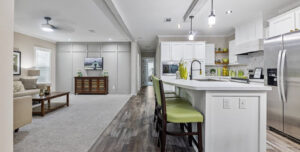
pierce img 03

Silver Bay’s 9 Floor Plans: A Quick Overview

Silver Bay offers nine floor plans ranging from 1,029 to 1,600 square feet, all single-story, all two bathrooms, in two- and three-bedroom configurations. Here’s a brief orientation:

The Hayden at 1,029 sq ft is the most compact option: two bedrooms, two bathrooms, efficient layout. Right for someone who has done the room-use exercise honestly and knows they live small.

The Alexa and Cottage Farmhouse sit in the mid-range and offer slightly more living space with a similar two-bedroom footprint. Good for couples who want a little more room in the shared areas without adding a third bedroom.

The Pierce at 1,494 sq ft is one of the most popular plans: a mid-size home that feels spacious without tipping into more space than you’ll use. Two bedrooms, two bathrooms, open kitchen and living area.

The Ryan, Colby, and Silver Springs round out the upper range, approaching 1,600 square feet: suited for three-bedroom configurations or for buyers who want the extra room for a dedicated office or craft space.

All homes are custom-ordered with your choice of finishes: flooring, cabinetry, countertops, exterior colors. The process typically takes about 90 days from order to move-in. See the full Silver Bay floor plans and home options for dimensions and layouts.

Summary

Choosing a floor plan when downsizing to 1,000–1,600 square feet is primarily an exercise in honest self-assessment: which rooms do you use, how often do guests stay, and what furniture matters enough to design around. Single-story living removes a variable that only gets more relevant with time. Open-concept layouts make smaller square footage feel larger and work well for most retirees’ daily patterns, with trade-offs around privacy worth considering. Silver Bay’s nine floor plans range from the 1,029 sq ft Hayden to options approaching 1,600 square feet, all single-story with two bathrooms and full customization. The best way to decide between them is to walk through a model. For the broader lifestyle context around downsizing, see how downsizing square footage can upgrade your life.

Frequently Asked Questions

How much space do I need in retirement?

The honest answer depends on how you live. Most retirees find that 1,000 to 1,600 square feet covers their daily needs comfortably; especially in a single-story home where all the space is accessible and usable, rather than spread across floors you only visit occasionally. The room-use exercise (categorizing every room in your current home either as daily, occasional, or never) gives you a more accurate baseline than any general rule.

What is a good size home for a retired couple?

For most retired couples without frequent extended-stay guests, a two-bedroom, two-bathroom home between 1,200 and 1,500 square feet covers daily life well. Both partners have a bathroom without sharing, there’s a guest room for family visits, and the shared living space is sized for real use rather than hypothetical entertaining. Silver Bay’s Pierce floor plan at 1,494 sq ft is a popular choice for exactly this configuration.

Do Silver Bay homes have 2 bedrooms?

Yes. The majority of Silver Bay’s nine floor plans are two-bedroom, two-bathroom layouts. Three-bedroom options are also available for buyers who want the extra room. See Silver Bay floor plans for the full list with square footage and layout details.

Can I customize my floor plan at Silver Bay?

Yes. All Silver Bay homes are custom-ordered, meaning you choose your floor plan and then select your finishes: flooring, cabinetry, countertops, exterior colors, and fixtures. You’re not choosing from inventory or inheriting someone else’s choices. The home is built to your specifications and typically takes about 90 days from order to move-in.

What is the smallest floor plan at Silver Bay?

The Hayden at 1,029 square feet is Silver Bay’s most compact floor plan. It’s a two-bedroom, two-bathroom layout designed for efficient use of space, very well-suited for someone who has taken stock of what they need and want a home sized to match. It’s not a small home in any absolute sense; 1,029 square feet of well-designed single-story space lives larger than the number suggests.

The best way to understand which floor plan fits you is to see them in person. Schedule a tour at Silver Bay and we’ll walk you through a finished model home and you can see how the space flows, bring your measurements, and ask every question you have before making any decisions.

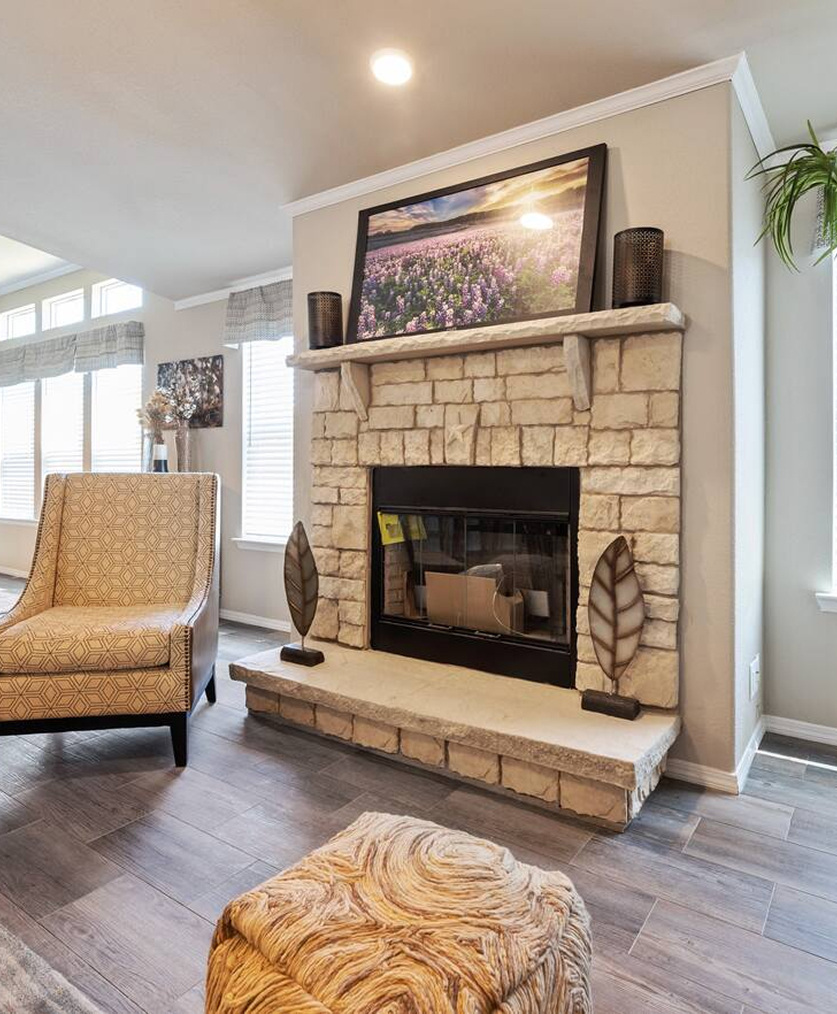
Filed Under: Active Adult Living, Manufactured Homes, Palatka Tagged With: downsizing, floor plans

How Downsizing to a Manufactured Home Can Upgrade Your Retirement

May 19, 2026 by anoadmin

You bought that house for a reason. The kids would fill the bedrooms, the yard would host summer barbecues, and all that space would serve a life that kept expanding. Fast forward to now: the kids are gone, the bedrooms collect dust, and you’re spending your weekends maintaining rooms nobody uses and mowing a lawn that grows faster than you want to deal with.

If this sounds familiar, you’re not alone; and you’re probably further along in thinking about a change than you realize. Downsizing to a luxury manufactured home in a vibrant 55+ community isn’t about giving things up. It’s about gaining time, money, and freedom, so let’s break down what it truly looks like. If you’re still weighing whether you’re ready to make a move, start with our article on the 7 signs you’re ready to downsize.

Reclaim Your Time and Space

retirement communities in palm coast fl

Here’s the simple truth: those Saturday mornings spent mowing the lawn, those hours vacuuming guest rooms that nobody uses, and that entire day dedicated to cleaning a house that’s twice as big as you need are all stealing time from your life. The average homeowner spends about 70 hours per year just on lawn care, not to mention the countless additional hours maintaining unused rooms, cleaning spaces that sit empty, and managing repairs on a larger home. In Silver Bay’s luxury community, professional teams handle the lawn care, landscaping, and exterior maintenance while you live in a beautifully designed space where every square foot serves a purpose. No more heating and cooling rooms that collect dust. No more weekend mornings lost to chores. Just a thoughtfully crafted home that gives you back your weekends and lets you focus on what matters.

The Financial Freedom Factor

Let’s talk about money, because downsizing isn’t just about time, it’s also about freeing up financial resources that have been locked up in your larger home. The financial benefits of downsizing extend far beyond the obvious difference in purchase price.

Start with utilities. Heating and cooling a smaller, more efficiently designed home costs significantly less. Modern manufactured homes are built with energy efficiency in mind, featuring improved insulation, energy-efficient windows, and smart climate control systems. Many homeowners report cutting their utility bills by 30 to 50 percent or more after downsizing. Over the course of a year, that can add up to thousands of dollars.

Property taxes and insurance are typically lower as well. You’re insuring and paying taxes on less square footage and a lower property value, which translates to real savings month after month. Maintenance costs drop dramatically too. When something breaks in a 2,500 square foot home, you might need to repair or replace larger systems or more of them. In a smaller home, everything from HVAC systems to water heaters is appropriately sized, often more efficient, and less expensive to maintain or replace.

Then there’s the cost of all that stuff you’re keeping in your extra rooms. Storage, organization systems, furniture for rooms you don’t use, and the accumulation of items over decades all represent money spent that’s not actively improving your life. When you downsize, you’re forced to evaluate what truly matters to you, and many people find that letting go of excess possessions is incredibly liberating.

The money you save on all these fronts doesn’t just sit in your account (though it certainly can if that’s your goal). It becomes freed up for other endeavors. Freedom to travel more. Freedom to dine out at nice restaurants without guilt. Freedom to pursue hobbies you’ve always dreamed about. Freedom to spoil your grandchildren. Freedom to invest in experiences rather than square footage.

Time: The Ultimate Luxury

manufactured home

If you ask people what they wish they had more of, time consistently tops the list. We can’t make more time, but we absolutely can reclaim time that’s currently being spent on tasks we don’t enjoy or find meaningful. Downsizing to a manufactured home community is essentially a time arbitrage strategy.

Think about all the maintenance tasks that come with a traditional larger home. The gutters need cleaning twice a year. The exterior needs painting every five to seven years. The roof needs inspection and eventual replacement. The driveway needs sealing. The deck needs staining. The list goes on and on. Even if you hire people to do these tasks, you’re still spending time getting quotes, scheduling work, supervising contractors, and managing projects.

In a manufactured home community, many of these maintenance concerns are handled by the community management or are significantly reduced due to the quality and design of modern manufactured homes. The exterior maintenance is often minimal. The roof is engineered for longevity. The siding is designed to last. You’re not managing a constant stream of home improvement projects.

The time you save isn’t just about avoiding unpleasant chores (though that’s certainly part of it). It’s about having the freedom to fill your days with activities that bring you joy and fulfillment. Want to take up painting? You’ve got time. Interested in volunteering at a local charity? Your schedule is suddenly much more flexible. Feel like becoming a regular at that yoga class or joining a book club? Nothing’s stopping you.

What You Gain That Doesn’t Show Up on a Spreadsheet

The financial case for downsizing is easy to make. The emotional case is harder to talk about but often means more.

There’s a particular kind of relief that people describe after they’ve made the move, something they didn’t fully anticipate. The weight of a house is more than the mortgage. It’s the mental inventory of everything that needs doing: the gutters, the fence, the bathroom tile that’s been waiting since last spring. When that list disappears, so does a background hum of low-grade stress that most people had stopped noticing was there.

What replaces it is time that belongs to you. People who move to communities like Silver Bay consistently say the same thing in different words: they get their Saturdays back. and then they got their sense of themselves back. Not as someone who manages a property, but as someone who goes places, does things, and is present for the life they planned.

The Community Advantage: Resort-Style Living at Your Doorstep

One of the most transformative aspects of moving to Silver Bay’s luxury community isn’t just what you’re leaving behind, it’s what you’re gaining access to. Imagine having resort-style amenities just steps from your front door, available whenever you want them, without the hassle of planning a vacation or paying premium resort prices.

Communities like Silver Bay in Palatka, Florida exemplify this new standard of luxury living. Picture starting your morning with a refreshing swim in the resort-style pool, then meeting friends at the private clubhouse for an afternoon of bingo or a community social event. These aren’t just nice-to-have features, they’re lifestyle changers that transform how you spend your days.

The clubhouse becomes your second living room, a gathering place where friendships form naturally over card games, potlucks, and organized activities. Unlike the isolation that can come with traditional suburban living, where neighbors wave from their cars but rarely connect, Silver Bay fosters genuine relationships. You’re surrounded by people in similar life stages who have time to socialize and are actively seeking connection.

Many luxury communities also offer practical amenities that make daily life easier. Need to store that RV or boat? Covered storage keeps your recreational vehicles protected and ready for your next adventure. Want to stay active? Take a short walk over to the pickleball courts where you can learn a fun, social sport that’s perfect for all skill levels. Pet owners will appreciate dedicated pet walking areas where furry friends can enjoy daily exercise. These thoughtful touches mean you’re not just downsizing your home’s square footage, you’re actually expanding your lifestyle options.

Conveniently Located

The convenience extends far beyond the community gates. Silver Bay is strategically located just minutes from supermarkets, pharmacies, and retail stores for everyday needs. Within a 30-minute drive, you can explore historic St. Augustine, and you’re only an hour from Jacksonville’s cultural attractions or Daytona Beach’s famous shores. For medical care, Mayo Clinic in Jacksonville, one of the world’s top-ranked hospitals, is just a short drive away, along with UF Health and Flagler Hospital in St. Augustine.

Perhaps most valuable is the peace of mind that comes with onsite handyman services. That leaky faucet or sticky door that you’d normally have to research, call around for, schedule, and supervise? In many communities, there’s assistance available right onsite for minor repairs. It’s one more way these communities free you from the burdens of home ownership while still giving you the pride and investment benefits of owning your own home.

The Minimalism Mindset

Downsizing isn’t just about moving to a smaller physical space. It’s often the beginning of a broader shift toward minimalism and intentional living. When you’re forced to evaluate every possession and decide what makes the cut in your new home, you develop a clearer sense of what truly adds value to your life.

Many people report feeling lighter and freer after downsizing. There’s something psychologically liberating about living with less stuff in a more manageable space. Your home becomes easier to organize and keep tidy. You know where everything is. You’re not overwhelmed by clutter or haunted by closets full of things you haven’t looked at in years.

This minimalist approach often extends beyond physical possessions to how you spend your time and energy. You become more intentional about your commitments, more selective about how you fill your calendar, and more focused on what genuinely matters to you.

The Home Itself: Luxury Without Compromise

Let’s address a common misconception right away: today’s luxury manufactured homes are worlds apart from what you might remember from decades past. We’re talking about beautifully designed residences with spacious floor plans, tall ceilings, and elegant trim work that rivals any site-built home.

Modern manufactured homes feature open-concept layouts that flood interiors with natural light. The quality finishes include options for custom colors, premium flooring choices, and designer kitchen configurations. You get to personalize your space to reflect your style, whether that’s contemporary elegance, cozy traditional, or something uniquely you.

The beauty of these homes lies in their intelligent design. Every square foot is purposeful. You still have a spacious master suite, a modern kitchen with all the features you love, and comfortable living areas perfect for entertaining guests or relaxing with a good book. The difference is that you’re not paying for and maintaining space you’ll never use. It’s right-sized luxury, which turns out to be the best kind.

At Silver Bay, nine floor plans range from 1,029 to 1,600 square feet, all single-story, all two bathrooms, in two- and three-bedroom layouts. The Hayden at 1,029 sq ft is the most efficient option, designed for someone who knows exactly what they need. The Pierce at 1,494 sq ft is one of the most popular choices, spacious enough for comfortable daily living and the occasional overnight guest, without crossing into more home than you’ll use. Every plan is fully customizable: your choice of flooring, cabinetry, countertops, and exterior finishes. See all Silver Bay floor plans to compare layouts and square footage.

Your Upgraded Life Awaits

Downsizing your square footage is about upsizing your life. It’s about reclaiming your weekends from lawn care and house maintenance. It’s about redirecting money from heating unused rooms to funding the retirement dreams you’ve worked so hard for. It’s about filling your calendar with pool days, clubhouse socials, and meaningful connections rather than chores and obligations.

The spacious home that served you well for so many years deserves appreciation for what it provided. But if it’s no longer serving your current lifestyle and goals, it’s okay to move on. Your next chapter in a luxury manufactured home community can offer everything you need, none of the burdens you no longer want to carry, and access to amenities and friendships that enrich every single day.

The transition might feel daunting at first. Sorting through decades of accumulated possessions is real work. But on the other side of that work is a life with more freedom, more flexibility, and more resources to spend on what truly makes you happy. You’re trading square footage for life quality, and it’s a trade that pays dividends every single day.

After all, the ultimate luxury isn’t square footage. It’s freedom. And that’s something you can’t put a price on.

Summary

Downsizing in retirement isn’t a compromise; it’s a trade that most people say they should have made sooner. The financial case is concrete: utility bills cut by 30 to 50 percent, lower insurance and taxes, maintenance costs that match a life lived, not a house managed. The emotional gains take longer to anticipate but tend to mean more: time reclaimed, a background stress dissolved, and a community that provides the social connection that large suburban homes often can’t. Silver Bay Palatka offers nine floor plans from 1,029 to 1,600 square feet, all single-story, fully customizable, and surrounded by resort-style amenities included in your monthly lot rent.

Frequently Asked Questions

Is downsizing worth it in retirement?

For most retirees who make the move, yes, and those who do it consistently say they wish they’d started sooner. The financial savings are real: lower utilities, taxes, insurance, and maintenance. The lifestyle gains often matter more: reclaimed time, reduced mental load, and built-in community that a large home in a turning-over neighborhood typically can’t provide.

How much space do I actually need in retirement?

Most retirees downsizing from homes over 2,000 square feet find that 1,000 to 1,600 square feet covers everything they actually use. A useful exercise: walk your current home and categorize every room for daily use, occasional, or never. Most people find they’re regularly using 40 to 50 percent of their square footage. Silver Bay’s floor plans are designed around this reality.

What do I do with all my stuff when I downsize?

Start early and go room by room: keep, pass to family, donate, sell. Most people find the process of letting go easier than they expected, and that what they kept fit the new space better than they imagined. Items that don’t make the cut are usually things that had stopped being useful years earlier anyway.

Is it better to downsize sooner or later in retirement?

Sooner, for most people. Downsizing while you’re healthy and energetic, capable of managing a home sale, choosing a community, and sorting through possessions, is considerably easier than doing it under pressure from health or financial circumstances later. The equity released from a home sale also has more time to work for you.

Can I have guests and family stay with me?

Yes. Silver Bay’s two- and three-bedroom floor plans include dedicated guest rooms. Most 55+ communities have guest policies that accommodate family visits comfortably. If extended stays or multiple family groups visiting at once is important to you, it’s worth asking about specifically when you tour.

Ready to see how Silver Bay can upgrade your life? We’d love to show you around our resort-style community, introduce you to our friendly residents, and help you envision your next chapter in Palatka, Florida. Schedule a tour today and discover the freedom of luxury 55+ living. Contact us to get started.

Filed Under: Community, Manufactured Homes, Palatka Tagged With: Community, Luxury Living, senior community, silver bay

Are Manufactured Homes Real Homes? 6 Myths Retirees Still Believe

May 12, 2026 by anoadmin

If your mental image of a manufactured home still comes from the 1970s, featuring thin walls, aluminum siding, and narrow lots packed closely together, the skepticism is understandable. That version of manufactured housing certainly existed, but it stopped reflecting the reality of the industry decades ago.

The manufactured homes being built today are a different product: HUD-code construction, modern floor plans, drywall interiors, energy-efficient systems, and finishes that match what you'd find in any site-built home at a comparable price point. Here are the six myths we hear most often, and what's actually true.

Myth 1: "Manufactured Homes Are Just Mobile Homes"

manufactured homes,myths about manufactured homes

Manufactured homes in 2026 are much different from those of 50 years ago.

This is the most persistent misconception, and it has a specific origin. Before 1976, factory-built homes were constructed without any federal standards and were known as mobile homes, existing with this design in mind. Quality varied wildly. The stigma from that era is real and earned.

After 1976, everything changed. The National Manufactured Housing Construction and Safety Standards Act, known as the HUD Code, established federal requirements for structure, fire safety, energy efficiency, plumbing, and electrical systems. Homes built under these standards are legally classified as manufactured homes, not mobile homes. They are built on permanent steel chassis, installed on prepared sites, and designed for permanent occupancy. Calling a 2026 manufactured home a "mobile home" is like calling a smartphone a rotary dial telephone. Same general category, entirely different product. For the full history, see HUD's manufactured housing page.

Myth 2: "The Quality Is Poor Compared to Site-Built Homes"

This myth usually comes from people who haven't been inside a modern manufactured home. Walk into a Silver Bay home today and you'll find drywall throughout, not paneling. Pitched rooflines. Open-concept layouts with eight- and nine-foot ceilings. Real cabinetry, countertops, and fixtures with the same brands you'd see in a builder-grade site-built home.

The construction method also has genuine advantages over site-built. Factory construction happens in a controlled indoor environment; this means no lumber warping in the rain and no materials sitting on an open job site. The same crew performs the same operations repeatedly, which makes quality control systematic rather than variable. HUD-certified inspectors are present during construction, not just reviewing finished homes. The result is a consistently built product with documented inspection at every stage. See Silver Bay's available floor plans.

Myth 3: "They Can't Handle Florida Weather"

manufactured homes,myths about manufactured homes

Silver Bay manufactured homes are built for Florida weather.

Florida has some of the most demanding residential wind standards in the country, and manufactured homes built for installation here are required to meet them. The HUD Code includes wind zone designations: homes installed in Florida must meet Zone 2 or Zone 3 standards, designed specifically for hurricane-prone coastal and near-coastal environments. Anchoring systems are engineered to keep the home on its foundation during high-wind events. This is a regulated, inspected requirement, not an optional upgrade.

Myth 4: "You Don't Really Own It"

At Silver Bay, you own your home outright. What you lease is the lot it sits on. This is the land-lease model, and it's worth understanding clearly because it's often misunderstood. You receive a deed for your home, with the option for a mortgage payment or cash purchase, just like any home. The lot lease is separate: it's your monthly lot rent, which covers lawn care, community amenities, and common area maintenance.

This is not a rental arrangement. You own the home. What the land-lease model does is lower the entry cost. Since you’re not buying the land, you're not paying for it up front or carrying it in your property taxes; for a breakdown of what lot rent includes and how it compares to HOA fees and property taxes, see the article on what lot rent includes.

Myth 5: "They Lose Value Immediately"

This one deserves a nuanced answer rather than a flat denial. Value behavior for manufactured homes in land-leased communities is influenced by the same factors that affect any home: community quality, management standards, home condition, and the local market. It is not accurate that manufactured homes automatically depreciate; that pattern was associated with older, pre-HUD homes in poorly managed communities.

In well-maintained communities with strong management and consistent standards, manufactured homes have generally been tracked with broader housing market trends over the past decade. The quality of the community matters significantly. Silver Bay's community standards include maintained landscaping, regulated aesthetics, and active management; all to protect the environment that supports home values. Our sister community Villa Farms has been operating under the same ownership for years and has maintained the kind of established, attractive community that supports long-term property quality. That track record is worth asking about when you visit.

Myth 6: "55+ Manufactured Home Communities Aren't Nice Places to Live"

manufactured homes,myths about manufactured homes

HUD regulations have made manufactured homes indistinguishable in quality and appearance from site-built homes.

This is the one that disappears fastest after a tour.

Silver Bay's amenities include a resort-style pool, a private clubhouse with a social calendar, beautifully maintained common areas and green spaces, and onsite handyman services for minor home repairs. The Silver Bay floor plans run from 1,029 to 1,600 square feet across nine options, with modern finishes and full customization. Residents choose their own flooring, cabinetry, countertops, and fixtures; you're not inheriting someone else's choices.

What people most often say after they visit is that it looks nothing like what they expected. That's not a coincidence, it's the gap between the stigma and the reality. The stigma was built on what these communities looked like forty years ago. What you'll see at Silver Bay is what they look like now.

Summary

The manufactured home myths that most retirees still carry were built on genuine observations about a product that no longer exists. Pre-1976 mobile homes were poorly built and poorly regulated. Since the HUD Code took effect, manufactured homes have been federally regulated, factory-inspected, and increasingly indistinguishable in quality and appearance from site-built homes at a comparable price point. At Silver Bay Palatka, residents own their homes outright in a land-lease community with resort-style amenities, modern floor plans, and Florida wind-zone-compliant construction. The best way to close the gap between perception and reality is to walk through a finished home in person. See our floor plans and home options, then schedule a tour and see for yourself.

Frequently Asked Questions

Is a manufactured home a real home?

Yes. A manufactured home is a permanent residential dwelling built to federal HUD Code standards, installed on a prepared site, and designed for long-term occupancy. It is legally classified as real property when titled as such and can be bought, sold, inherited, and financed like any other home.

Are manufactured homes safe to live in?

Modern manufactured homes built to HUD Code are designed and inspected for structural integrity, fire safety, electrical safety, and weather resistance. Homes built for Florida installation meet state-specific wind zone requirements. They are inspected during the manufacturing process by HUD-certified inspectors, a level of oversight that site-built homes don't always receive.

Can I get a mortgage for a manufactured home?

Yes. Several lenders specialize in manufactured home financing, and loans are available for both the home alone and, in some cases, home and land together. Financing options vary depending on the community type and how the home is titled. When you tour Silver Bay, ask us about financing - we can point you toward lenders who work with manufactured home buyers regularly.

Do manufactured homes qualify for homestead exemption in Florida?

Yes, Florida's homestead exemption applies to manufactured homes that are permanently affixed to land and meet the state's requirements for permanent residency. In a land-lease community like Silver Bay, exemption eligibility depends on how the home is titled. A tax advisor or the St. Johns County Property Appraiser's office can confirm the specifics for your situation.

What is the difference between a manufactured home and a modular home?

Both are factory-built, but to different regulatory standards. A manufactured home is built to the federal HUD Code and remains classified as personal property unless permanently titled to land. A modular home is built in sections to local building codes, assembled on-site, and typically classified as real property from the start. Both are legitimate permanent residences, the difference is regulatory framework and financing treatment, not quality.

The best thing to do with a list of myths is compare them to what you see. Schedule a tour at Silver Bay and we'll show you through a finished home, walk you around the community, and answer every question you have without any pressure to decide on the spot.

Filed Under: Manufactured Homes

Modern Manufactured Homes in 2026: Quality, Construction & What’s Changed

May 5, 2026 by anoadmin

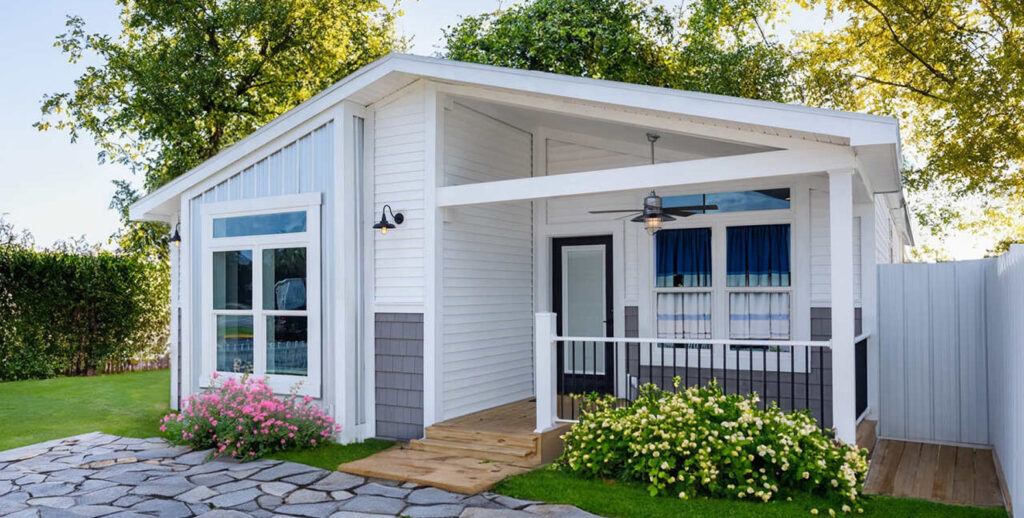
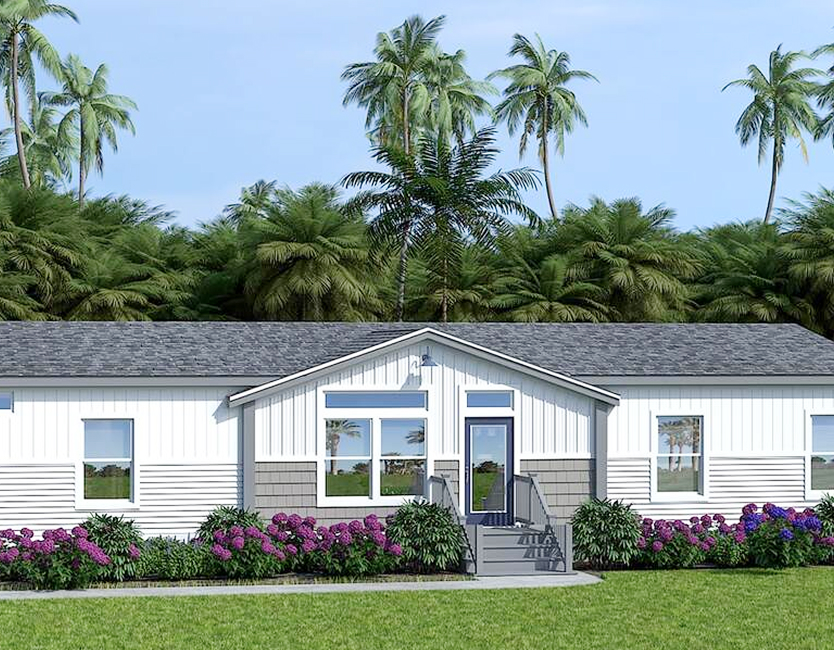
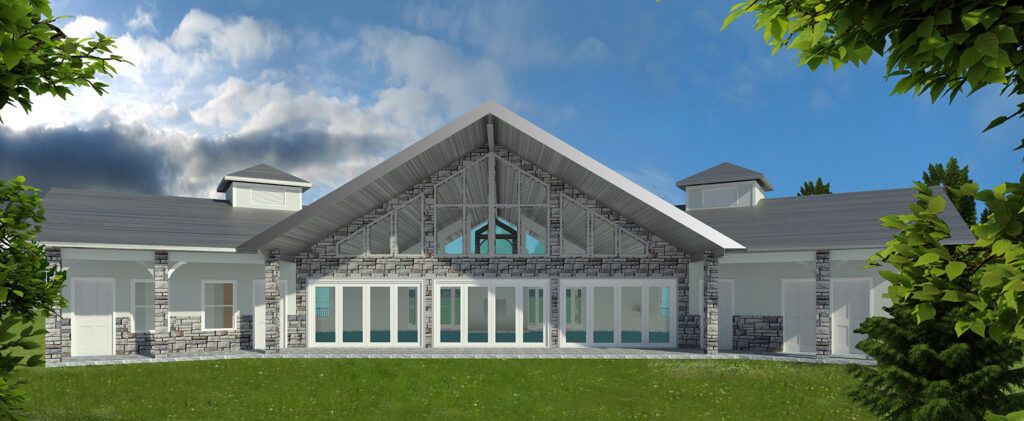
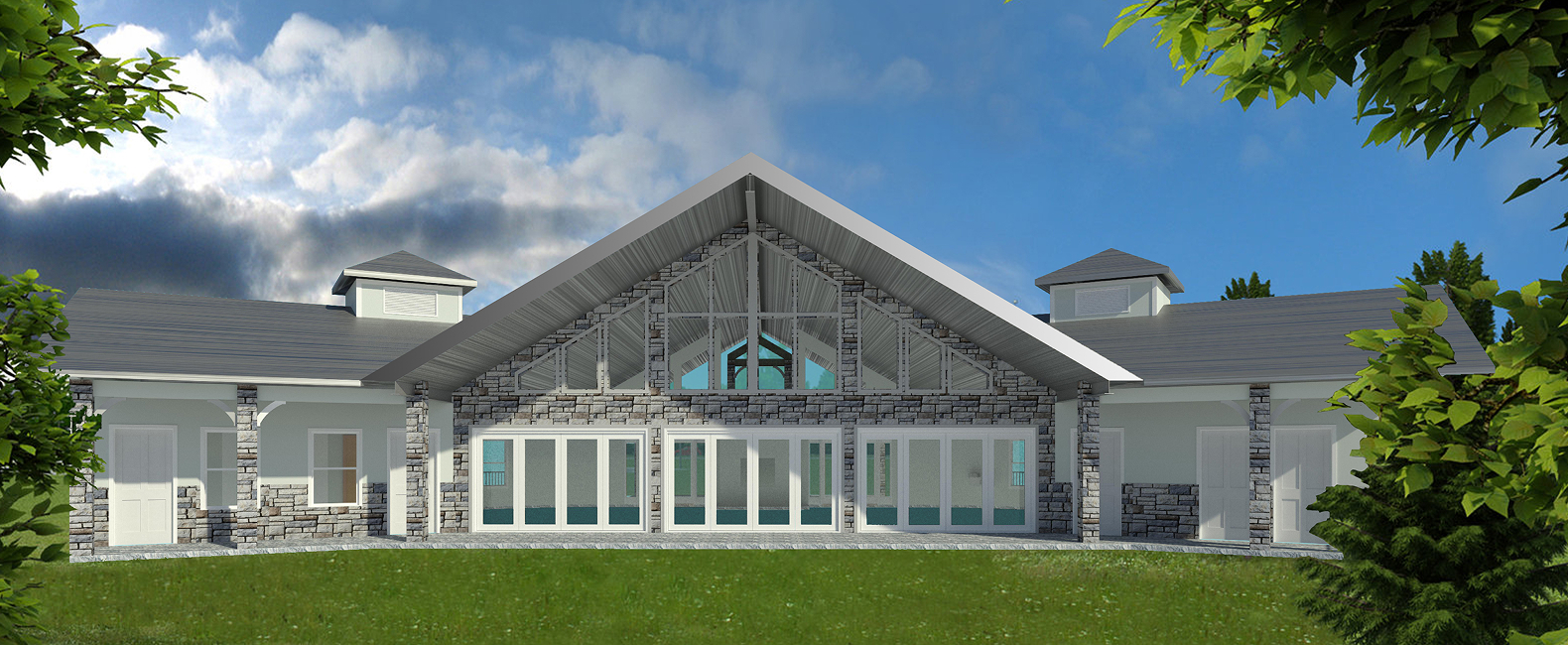
Digital mockup - exterior View of manufactured home

Digital mockup – exterior View of manufactured home

When most people hear manufactured home, what comes to mind is about fifty years out of date. The narrow box, the aluminum siding, the thin walls that didn’t keep out much weather or noise. That picture is real, it describes what the industry produced in the 1970s. It has almost nothing to do with what modern manufactured homes in Florida look like today.

The disconnect between the perception and the reality is significant enough that it’s causing genuinely good housing options to get ruled out before they’re even seriously considered. This guide covers what modern manufactured homes actually are in 2026, how they’re built, what quality looks like in practice, and why they’re worth serious consideration for retirees who want a well-built home without the overhead of traditional ownership.

What Is a Manufactured Home?

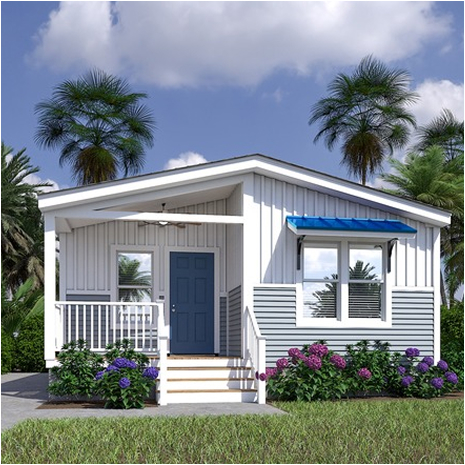
Exterior view of a Silver Bay Palatka manufactured home: Cottage Farmhouse

Exterior view of a Silver Bay Palatka manufactured home: Cottage Farmhouse

A manufactured home is a residential dwelling built entirely in a factory setting, constructed to federal standards set by the U.S. Department of Housing and Urban Development, and then transported to its permanent site for installation. That’s the official definition, and the HUD Code is what separates a modern manufactured home from anything that came before it.

Manufactured homes are sometimes confused with modular homes and RVs. They’re not the same. A modular home is also factory-built, but it’s assembled in sections and constructed to local building codes rather than federal HUD standards. An RV is a vehicle designed for temporary occupancy: it’s not classified as a home and doesn’t meet residential construction standards. A manufactured home is a permanent residence built to a national federal code. If you want the specifics, HUD’s manufactured housing page is the authoritative source.

How HUD Standards Changed Everything

The National Manufactured Housing Construction and Safety Standards Act of 1974,  known as the HUD Code, was the turning point. Before 1974, there were no federal standards for factory-built housing. Quality varied wildly depending on the manufacturer, and the stigma that built up around that era was earned. After 1974, that changed.

The HUD Code establishes mandatory standards for structural engineering, fire safety, energy efficiency, plumbing, electrical systems, and thermal insulation. These aren’t voluntary guidelines: they’re federal requirements enforced through inspections at the factory before the home leaves the facility. Every manufactured home built since 1976 carries a HUD certification label, which is the equivalent of a certificate of occupancy for a site-built home.

The standards have been updated multiple times since 1976. Energy efficiency requirements particularly have been significantly strengthened. Wind resistance standards vary by region: homes built for Florida meet Zone 2 or Zone 3 wind standards, which are considerably more stringent than what earlier construction required.

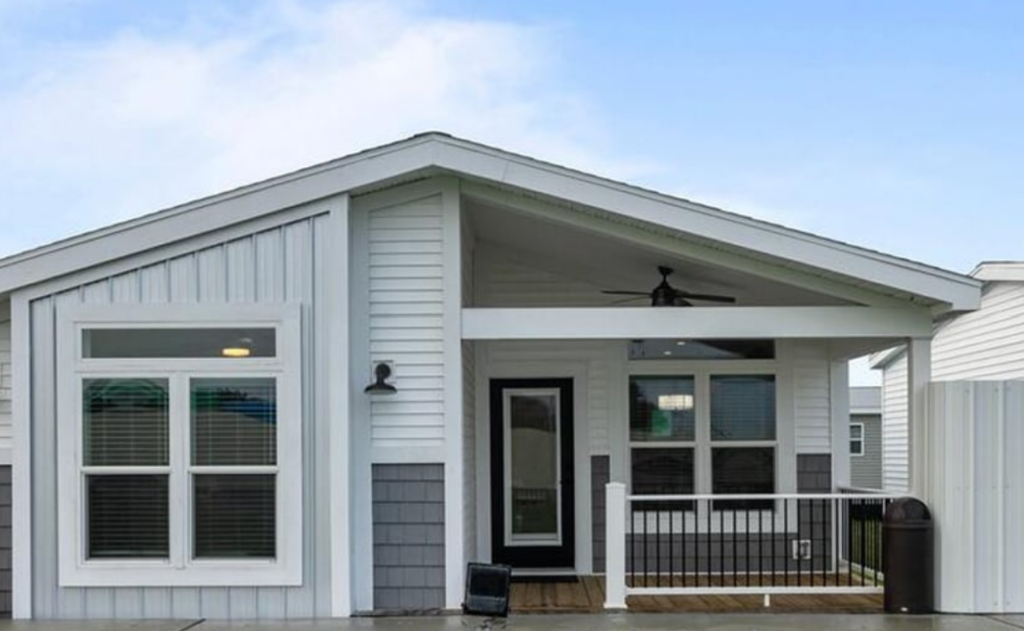
Exterior view of Hayden style manufactured home.

Exterior view of Hayden style manufactured home.

What Modern Manufactured Homes Actually Look Like in 2026

The visual gap between a 1970s manufactured home and what’s being built now is not a minor upgrade, it’s a different category of product. Here’s what you’re looking at in a modern manufactured home:

Open-concept floor plans with genuine living space. Modern designs prioritize how people actually use their homes, with connected kitchen, dining, and living areas rather than chopped-up rooms. Drywall throughout, not paneling. This is standard now, and it matters for both appearance and acoustic performance. Pitched rooflines rather than flat roofs. Energy-efficient windows with modern framing. Full-size kitchen and bathroom fixtures, including real cabinetry, countertops, and appliances that match what you’d find in any site-built home at a similar price point.

At Silver Bay, homes range from 1,029 to 1,600 square feet across nine floor plans: the Pierce, Alexa, Hayden, Cottage Farmhouse, Colby, Ryan, and Silver Springs Series, among others. These are two- and three-bedroom homes with two bathrooms, designed for independent retirees who want a well-appointed home without excess space to maintain. You can explore all Silver Bay floor plans and home options to see the full range.

Construction Quality: What You’re Actually Getting

One of the consistent advantages of factory-built construction is the controlled environment. Site-built homes are exposed to the elements during construction, whether lumber warps during the rain, materials sitting on open job sites, and the quality of execution depends on who shows up that day. Factory construction doesn’t have those variables.

In a manufacturing facility, materials are stored indoors, climate is controlled, and the construction sequence is standardized. The same crew performs the same operations repeatedly, which means quality control is continuous rather than inspected at the end. HUD-certified inspectors are present in the facility, not just reviewing finished homes. This means problems are caught during construction, not after installation.

The framing standards for manufactured homes built to HUD Code are comparable to site-built residential construction. The idea that manufactured homes are “less structural” than site-built homes was true of pre-HUD construction and hasn’t been accurate for fifty years.

Energy Efficiency in Modern Manufactured Homes

Energy efficiency is one area where modern manufactured homes have made the most significant advances. Current HUD standards require insulation levels that meet or exceed what many older site-built homes achieve, and manufacturers competing for buyers have gone further than the minimum in many cases.

Modern manufactured homes typically feature insulated wall systems, energy-efficient windows with low-E coatings, and HVAC systems sized appropriately for the home’s square footage. In Florida’s climate, where cooling costs are the primary driver of utility bills, right-sized HVAC and proper insulation matter considerably. Energy Star certification is available for qualifying manufactured homes, the same certification program that applies to site-built homes.

Customization at Silver Bay: How the Process Works

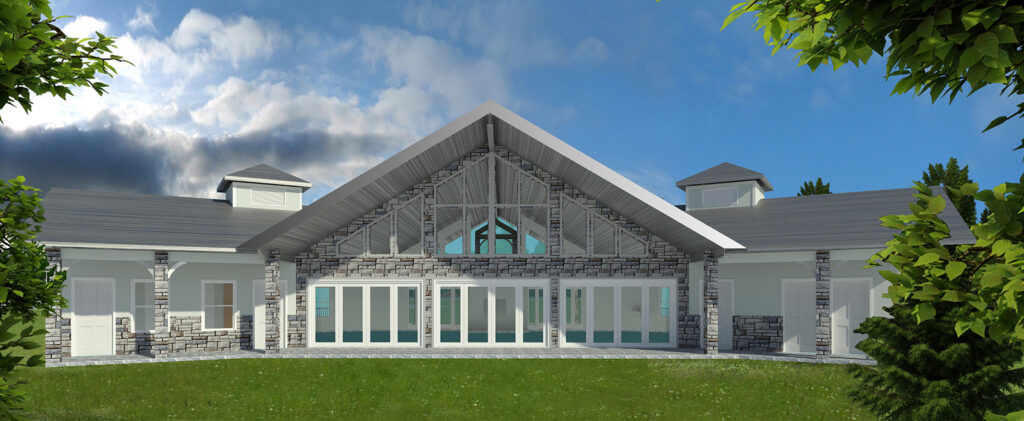
Digital mockup of the clubhouse and social center.

Digital mockup of the clubhouse and social center.

One of the questions people most often have about manufactured homes is whether you can make them your own. At Silver Bay, the answer is yes. The process works like this: you choose from Silver Bay’s floor plan options, then select your finishes: flooring, cabinetry, countertops, fixtures, exterior colors. The home is then built to those specifications at the factory and installed on your lot in the community.

This is a meaningful distinction from buying an existing home. You’re not inheriting someone else’s choices and living with their carpet and their cabinet hardware. You’re starting from a floor plan and making it yours. Once the home is installed and you’re in, it’s maintained by you internally and the exterior community environment, lawn care, and amenities are handled by Silver Bay as part of your lot rent.

Common Questions About Manufactured Home Quality

Do they hold their value?

This is more nuanced than a simple yes or no. In a land-lease community, a manufactured home’s value is influenced by the community itself, market conditions, and the home’s condition, similar to how a condo’s value is partly a function of the building. Well-maintained homes in established communities with strong management tend to hold value better than homes in poorly managed ones. The general pattern over the past decade has been appreciation, not depreciation, for well-situated manufactured homes.

Are they built to last?

Modern manufactured homes built to HUD Code are built for permanent occupancy and long-term use. With normal maintenance, a manufactured home built today should last as long as any site-built home at a comparable quality level. The key phrase is “with normal maintenance”, which applies equally to any home.

What about storms in Florida?

Manufactured homes built for installation in Florida are required to meet Zone 2 or Zone 3 wind resistance standards under the HUD Code. These are Florida-specific requirements that account for the state’s hurricane exposure. Anchoring systems are engineered to keep the home on its foundation during high-wind events. This is regulated and inspected, not left to the builder’s judgment.

Summary

Modern manufactured homes in Florida in 2026 are HUD-compliant, factory-built residences that look and function like traditional site-built homes, with open floor plans, drywall interiors, energy-efficient systems, and full customization options. The stigma attached to manufactured homes dates to pre-1974 construction and hasn’t reflected the actual product for fifty years. At Silver Bay Palatka, homes range from 1,029 to 1,600 square feet across nine floor plans, with prices and a construction process that gives buyers a new, customized home without the price of traditional land-and-home ownership.

Frequently Asked Questions

Are manufactured homes the same as mobile homes?

No. “Mobile home” technically refers to factory-built homes constructed before June 15, 1976, when the federal HUD Code took effect. Homes built after that date are classified as manufactured homes and must meet federal construction and safety standards. The two terms are sometimes used interchangeably in casual conversation, but they describe different products built to different standards in different eras.

Are manufactured homes built to code?

Yes, to federal code specifically. Manufactured homes are built to the HUD Code (the National Manufactured Housing Construction and Safety Standards), which covers structural engineering, fire safety, energy efficiency, plumbing, and electrical systems. This is a national standard, enforced by HUD-approved inspectors during the manufacturing process. More information is available at HUD.gov.

How long do manufactured homes last?

A well-maintained manufactured home built to modern HUD standards is designed for permanent, long-term occupancy – comparable in lifespan to site-built homes at a similar quality level. Like any home, longevity depends on the quality of construction, the level of maintenance, and the environment. Homes in Florida’s climate benefit from features like hurricane-rated construction and proper HVAC sizing that support long-term durability.

Can manufactured homes withstand Florida weather?

Manufactured homes installed in Florida are required to meet Florida-specific wind resistance standards under the HUD Code. Anchoring systems are engineered for the state’s wind exposure. This is a regulated requirement, not an optional upgrade. Modern manufactured homes in Florida are designed and built specifically for the climate they’ll be installed in.

Do manufactured homes appreciate in value?

Value behavior for manufactured homes in land-lease communities depends on community quality, market conditions, home condition, and location, very similar to how condo values work. The long-term trend over the past decade has generally been positive for well-situated manufactured homes. The Manufactured Housing Institute and U.S. Census Bureau track manufactured housing market data for anyone who wants to research the category more deeply.

What is the difference between a manufactured home and a modular home?

Both are factory-built, but they’re built to different standards. A manufactured home is built to the federal HUD Code. A modular home is built in sections and assembled on-site to local building codes, which vary by jurisdiction. Both are legitimate permanent residences, but the difference is primarily in the regulatory framework and construction method.

Are manufactured homes a good investment for retirement?

For retirees who want a well-built home with lower entry cost, predictable monthly expenses through a land-lease model, and community amenities without the overhead of traditional homeownership, manufactured homes in 55+ communities are worth serious consideration. The math on lot rent compared to HOA fees and property taxes is one concrete place to start the comparison.

If you’re ready to see what the product actually looks like in person, the best next step is a visit. Explore Silver Bay’s floor plans online, then schedule a tour to walk through a finished home and ask your questions face to face.

Filed Under: Active Adult Living, Manufactured Homes

How to Qualify for a 55+ Community in Florida

December 18, 2025 by anoadmin

clubhouse and social center img

So you've found the perfect 55+ community in Florida. The homes are beautiful, the amenities look amazing, and the location is ideal. But now you're wondering: do I actually qualify to live there? And what about my spouse who's only 48? Can my grandkids visit? What are the rules, exactly?

If you're considering a move to a Florida 55+ community like Silver Bay Luxury Living Palatka, understanding the qualification requirements is essential. The good news? The rules are more straightforward than you might think, and they're designed to be flexible enough to accommodate real life situations.

Let's break down everything you need to know about qualifying for 55+ communities in Florida.

The Basic Age Requirement

Two women in a side embrace as they smile for the camera.

The fundamental rule for 55+ communities in Florida is simple: at least one person in your household must be 55 years of age or older. That's it. If you're 55 or older, you qualify.

Notice we said "at least one person." This is important because it means not everyone in the household needs to be 55. Your spouse can be younger. If you have an adult child living with you who's over 18, that's typically allowed too, as long as you (the qualifying resident) are 55 or older.

This age requirement is based on the Housing for Older Persons Act(HOPA), a federal law that provides an exemption to Fair Housing laws that would otherwise prohibit age discrimination. HOPA allows communities to restrict residency based on age, specifically to create housing designed for older adults.

The 80/20 Rule and What It Means for Florida 55+ Communities

Florida 55+ communities must follow the Housing for Older Persons Act (HOPA), which includes what is commonly called the “80/20 rule.” Under this rule, at least 80% of the occupied homes in the community must have at least one resident who is 55 years of age or older. This requirement allows communities to legally operate as age-restricted housing designed for active adults and retirees.

The remaining 20% of homes may be occupied by residents under the age of 55, depending on the community’s policies. However, every 55+ community can set its own rules regarding younger residents, visitors, and long-term occupancy. Some communities are more flexible, while others maintain stricter age requirements to preserve the lifestyle residents expect.

If a community falls below the required 80% threshold, it could risk losing its status as a legally recognized 55+ community under HOPA guidelines. This is why community management teams carefully monitor occupancy and residency requirements. Proper documentation, age verification, and resident records are all part of maintaining compliance.

At Silver Bay, the community follows Florida and federal housing guidelines to maintain its 55+ status while providing a welcoming and comfortable environment for residents. The goal is to create a peaceful, community-focused setting tailored to active adults who want low-maintenance living, social opportunities, and amenities designed for their lifestyle.

Rules and Regulations in Florida 55+ Communities

Most Florida 55+ communities have rules and regulations designed to support a safe, quiet, and enjoyable living environment for residents. These rules often cover topics such as guest policies, parking, noise levels, pet restrictions, property upkeep, and the use of shared amenities. While each community is different, the purpose of these guidelines is to help maintain property values and create a consistent experience for residents.

Residents are typically responsible for maintaining the interior of their homes, following community policies, and staying compliant with age-verification requirements. Community management or property staff may handle common area maintenance, landscaping, amenity upkeep, and certain exterior services depending on the type of housing community.

Some 55 and older communities in Florida also provide organized social activities, fitness spaces, clubhouses, and maintenance-free living options. Before moving into a community, it is important to review all rules, regulations, and resident expectations so there are no surprises after move-in.

For specific information about policies, amenities, and resident guidelines at Silver Bay, visitors can review the community FAQ page or contact the management team directly.

What About Younger Spouses?

This is one of the most common questions people ask. The good news: most Florida 55+ communities, including Silver Bay Palatka, welcome younger spouses.

If you're 55 or older and your spouse is younger (say, 45 or 50), you can typically move in together without any issues. Some communities may have a minimum age for younger spouses (often 40 or 45), but many don't have any age restriction at all for spouses of qualifying residents.

The key is that the person who is 55+ is considered the "qualifying resident," and their younger spouse is permitted to live with them. This is standard practice in most communities and is designed to accommodate the reality that couples aren't always the same age.

If you have specific concerns about your age difference, it's always smart to ask the community directly about their spousal age policies before you commit to purchasing.

Children and Grandchildren: The Rules

three kids walking through the woodsHere's where 55+ communities draw a firm line: minors (generally those under age 18) cannot live in the community as permanent residents. While HOPA itself doesn't specify an exact age cutoff for "minors," most communities set their age restriction at 18 or 19 years old. Some communities require residents to be 18+, while others set it at 19+. Each community establishes its own policy within the HOPA framework.



This means your minor children or grandchildren cannot live with you full-time. If you have custody of minor children or grandchildren, a 55+ community isn't the right fit for your current situation.

However, visits are a different story. Most Florida 55+ communities allow children and grandchildren to visit for limited periods. The typical allowance is 15 to 30 days per year, though specific policies vary by community. Some are more generous, some less so.

This means your grandkids can definitely come stay for a week during summer vacation or over the holidays. What they can't do is move in with you and live there year-round while attending local schools.

These visiting policies ensure that communities maintain their adult-focused environment while still allowing families to stay connected. After all, being in a 55+ community doesn't mean you stop being a grandparent. It just means the little ones go home to their parents' house after the visit.

Additional Resident Requirements

Beyond age, there are a few other standard requirements you'll encounter when applying to live in a 55+ community in Florida:

Background checks are common. Communities want to ensure they're creating a safe environment for all residents. This typically involves a criminal background check and possibly a credit check.

Financial qualification is important. You'll need to demonstrate that you can afford the home purchase (or rent) and ongoing monthly fees. This might include providing proof of income, bank statements, or other financial documentation.

Application and approval process varies by community. You'll complete an application, provide required documentation, and wait for approval from the homeowners association or property management.

Pet policies differ by community. Silver Bay Palatka, for example, allows two small house pets per home, with requirements that they be on leashes when walked and that owners clean up after them. Always check specific pet policies if you have furry family members. For more information about pets, check out our blog on, "Pet-Friendly Paths and Dog Walking Areas You'll Love."

Community rules and restrictions exist in all 55+ communities. These might include architectural guidelines for home modifications, rules about parking and vehicles, noise restrictions, and behavioral expectations. You'll need to agree to follow the community's rules and regulations.

Purchasing vs. Renting in 55+ Communities

Most 55+ communities in Florida, including Silver Bay Palatka, involve purchasing your home rather than renting. However, the qualification process is similar regardless of whether you're buying or renting.

When you purchase a manufactured home at Silver Bay, you own the home itself and pay monthly lot rent for the land it sits on, plus access to all community amenities. The qualification process involves both purchasing the home and being approved to become a resident of the community.

Some 55+ communities allow owners to rent their properties to others, but those renters must still meet the age requirements. You can't buy a home in a 55+ community and then rent it out to your 30-year-old nephew. The age restrictions apply to all residents, whether they own or rent.

What Happens If You Don't Meet Requirements?

If you're under 55 and don't have a qualifying spouse or co-resident, you simply won't be approved to live in the community. It's not personal. It's federal law.

Some people wonder: what if I turn 55 next month? Can I apply now? Generally, you need to be 55 at the time you move in, not just when you apply. However, communities may have different policies about timing, so it's worth asking if you're close to the age threshold.

If you inherit property in a 55+ community but you're under the minimum age, you have options. You can sell the property, rent it to someone who qualifies, or wait until you reach the qualifying age to move in yourself. You cannot simply move in if you don't meet the age requirements.

The Benefits of Age Qualification

A couple of senior citizens playing cards

senior couple

While age restrictions might initially seem limiting, they're actually one of the biggest benefits of 55+ communities. The age requirement ensures you're surrounded by people in similar life stages. Everyone is navigating retirement, pursuing hobbies, and enjoying this chapter of life together.

You won't have to deal with young children running through common areas at 6am on Saturday. You won't have neighbors throwing loud parties late into the night. The pace and culture of the community are tailored specifically for adults 55+.

This creates an environment where it's easier to make friends, where activities and amenities match your interests, and where everyone understands that retirement is about enjoying life without the chaos of raising young families.

Silver Bay Palatka: Your Qualification Questions Answered

At Silver Bay Palatka, the qualification process is straightforward:

  • You need to be at least 55 years old (or have a spouse or co-resident who is 55+)
  • Complete an application and background check
  • Demonstrate financial ability to purchase your home and pay monthly lot rent
  • Agree to follow community rules and regulations
  • Provide required documentation during the application process.

Silver Bay is designed for active, independent adults who want maintenance-free living with resort-style amenities. The community offers beautifully designed manufactured homes with high-end finishes, spacious floor plans with tall ceilings and elegant trim, open-concept layouts with natural light, customization options for colors and finishes, monthly lot rent that includes lawn care, water, sewer, trash, and amenities, a resort-style pool and outdoor green spaces, a private clubhouse with social and recreational events, weekly bingo nights and bi-monthly covered dish dinners, onsite handyman services for minor repairs, and dedicated pet walking areas.

Currently under development with 100 home sites, Silver Bay expects to have homes available for occupancy in early 2026. As the sister community of Villa Farms (winner of Palatka Daily News' Readers' Choice award for Best Retirement Community since 2008), Silver Bay brings proven quality and a welcoming community culture to Palatka.

Making Your Decision

If you meet the age requirements and you're looking for an active adult community with great amenities, low-maintenance living, and a true sense of community, a 55+ community like Silver Bay Palatka might be exactly what you're looking for.

The qualification process is designed to be straightforward, not to create unnecessary barriers. If you're 55+, financially stable, and ready to enjoy retirement in a community of peers, you'll likely qualify without any issues.

Have specific questions about your situation? The best approach is always to reach out directly to the community. Every situation is unique, and while general rules apply, specific circumstances may have specific solutions.

Visit silverbaypalatka.com to learn more about Silver Bay Palatka, or call us at 386-242-2488 to discuss your specific situation and whether Silver Bay is the right fit for your retirement plans.

Qualifying for a 55+ community in Florida is simpler than you might think. If you're 55 or older and ready for the next chapter, the door is open. Welcome home.


Disclaimer: Every effort is made to ensure the accuracy of the information in this article. Please credit silverbaypalatka.com when sharing and re-posting.

Filed Under: Active Adult Living, Community, Manufactured Homes, Palatka Tagged With: Lifestyle, Qualifying for 55+ Community, SeniorLiving, SilverBayPalatka

What Today’s Retirees Actually Want From a 55+ Community (And How Silver Bay Delivers It

December 16, 2025 by anoadmin

happy couple in the super market

Future Trends in 55+ Communities You Should Know About

The retirees moving into 55+ active adult communities in 2025 and 2026 look very different from the generation before them. They're healthier, more active, and far more specific about what they want and what they won't settle for. Understanding those expectations matters whether you're planning your own retirement or helping a loved one make the right choice and what today's retirees want from a 55+ community.

At Silver Bay Palatka, we've built our community around exactly what today's retirees are looking for. Here's a look at what those priorities are and why they're reshaping what active adult living looks like in Florida.

Affordable and Flexible Living Options

One of the most significant shifts in senior living is the move away from expensive entrance fees. Many retirees simply do not want, or cannot afford, to tie up large sums of money just to move into a community. Instead, they are seeking predictable monthly costs and flexible service options.

Silver Bay reflects this new model on what active adults are looking for in 2026. There is no massive entrance fee. Residents purchase a thoughtfully designed manufactured home at a cost significantly lower than traditional housing and pay monthly lot rent that includes lawn care, water, sewer, trash, and access to all community amenities. This approach offers financial clarity while allowing residents to keep their savings accessible.

Equally important is service flexibility. Residents are not locked into bundled meal plans or services they do not need. You live independently in your own home and choose how and when to enjoy community amenities. This balance of affordability and autonomy is exactly what modern retirees are looking for.

Two elderly women having a conversation in a doorwaySmaller Communities With Stronger Connections


Silver Bay is intentionally designed with 100 home sites. It is large enough to support an active social calendar, yet small enough for residents to truly know their neighbors. Weekly bingo nights, bi-monthly covered dish dinners, walking paths, and shared amenities naturally bring people together. This scale fosters meaningful connections rather than anonymity.

Technology That Enhances Independence

Technology is becoming an expected part of senior living, but successful communities integrate it thoughtfully. The goal is convenience and empowerment, not complexity or intrusion.

Silver Bay provides the infrastructure for modern living, including reliable internet access and compatibility with smart home features, while allowing residents to choose how much technology they want in their daily lives. Whether it is video calls with family, smart thermostats, or voice-activated devices, technology is there to support independence without replacing human connection.

Wellness-Focused Living by Design

The future of senior living places wellness at the center. This goes far beyond having a fitness room. True wellness includes physical activity, mental engagement, social interaction, and a sense of purpose.

Silver Bay is designed to support holistic wellness. Walking paths and green spaces encourage daily movement. The resort-style pool provides opportunities for gentle exercise and socializing. The clubhouse hosts games, events, and gatherings that keep residents engaged and connected.

Maintenance-free living also plays a role in wellness. When yard work and home repairs are handled for you, you have more time and energy for hobbies, friendships, and experiences that truly enrich your life.

The Growth of Active Adult Communities

four senior citizens playing pickleballActive adult communities for adults 55 and over are one of the fastest-growing segments in senior living. These communities cater to independent adults who want to simplify life without sacrificing lifestyle.

Silver Bay is not assisted living or a nursing facility. It is an active adult community designed for people who are still very much in control of their lives. Residents enjoy freedom from home maintenance, access to amenities, and a built-in social environment surrounded by peers in similar life stages.

Practical, Single-Story Home Design

Housing design trends are moving toward single-story living with practical layouts that remain comfortable and functional over time. Features such as step-free entries, wider doorways, and open floor plans make everyday living easier for everyone.

Silver Bay’s manufactured homes offer single-story living with modern, open-concept designs. High ceilings and elegant trim create a spacious feel, while thoughtful layouts prioritize comfort and accessibility. Customization options allow residents to choose finishes and features that reflect their personal style.

Community as Culture, Not Just Location

The most successful senior living communities are defined by their culture, not just their amenities. Genuine connection, shared experiences, and a welcoming atmosphere make all the difference.

Silver Bay is building on the proven success of its sister community, Villa Farms, which has won the Palatka Daily News Readers’ Choice award for Best Retirement Community every year since 2008. Residents consistently highlight the sense of belonging, neighborly support, and warm welcome they experience.

That same intentional community-building philosophy is at the heart of Silver Bay from the very beginning.

Location That Supports an Active Lifestyle

A white and red boat docked at st johns riverToday’s retirees are highly selective about location. Access to healthcare, shopping, dining, recreation, and family matters more than ever.

Silver Bay’s Palatka location offers an ideal balance. Residents are close to shopping centers, local restaurants, and medical facilities, with the Mayo Clinic in Jacksonville about an hour away. St. Augustine is roughly 30 minutes away, Jacksonville about an hour, and Orlando about an hour and a half. This provides the convenience of nearby amenities without the stress of urban living.

Sustainability and Thoughtful Planning

Environmental awareness is increasingly important to modern retirees. Silver Bay incorporates efficient landscaping practices, preserved green spaces, and energy-conscious home construction. The manufactured homes are built to modern efficiency standards, using fewer resources than older housing stock while maintaining comfort and quality.

What These Trends Mean for You

Understanding these trends can help you identify communities that are designed for the future rather than stuck in the past. Silver Bay aligns with what today’s retirees value most:

  • affordability without sacrifice
  • independence with support
  • strong community connections
  • practical home design
  • wellness-focused amenities
  • convenient location

Because Silver Bay is being developed now, it incorporates current best practices from day one. It is not a decades-old community trying to retrofit modern expectations. It is purpose-built for today’s active adults.

The Silver Bay Advantage

Silver Bay Palatka is currently under development with homes expected to be available in early 2026. Residents will enjoy beautifully designed manufactured homes with high-end finishes, open-concept layouts, customization options, maintenance-free living, a resort-style pool, private clubhouse, social events, onsite handyman services, dedicated pet walking areas, and a welcoming community culture.

Located at 7110 Old Wolf Bay Road in Palatka, Silver Bay offers convenience, comfort, and connection in one thoughtfully designed community.

An elderly couple, outdoors sharing a hot cup of liquid (maybe tea or coffee).How Silver Bay Is Built Around What Today's Retirees Actually Want

Every trend covered in this article points toward the same thing: retirees want independence, community, affordability, and a lifestyle that feels like living - not waiting.

Silver Bay Palatka is designed with exactly those priorities in mind. There's no large entrance fee. You own your home outright, a thoughtfully designed manufactured home priced between $150,000 and $250,000 and pay a predictable monthly lot rent that covers lawn care, pool access, the clubhouse, and common area maintenance. No surprise bills. No yard work on weekends.

The social side of Silver Bay is just as intentional. The clubhouse, fire pit, community grills, borrowing library, and organized activities calendar give residents a built-in community that's genuinely hard to find in a traditional neighborhood. And with Silver Bay located in Palatka, Northeast Florida, close to Jacksonville, St. Augustine, and some of Florida's best natural waterways, the location itself supports an active, connected retirement.

If what you've read here resonates with what you're looking for, Silver Bay is worth a closer look. Schedule a tour and see what this lifestyle looks like in person.

Disclaimer: Every effort is made to ensure the accuracy of the information in this article. Please credit silverbaypalatka.com when sharing and re-posting.


Summary

Today's retirees are redefining what senior living looks like, and the communities keeping up are the ones built around affordability, flexibility, social connection, and genuine independence. The shift away from high entrance fees toward predictable monthly costs, combined with demand for resort-style amenities and pet-friendly policies, is reshaping active adult communities across Florida. Silver Bay Palatka reflects these priorities directly: no entrance fee, owned homes priced from $150,000 to $250,000, included lawn care, and a vibrant community calendar, all in Northeast Florida, close to major healthcare, natural waterways, and the cultural draw of St. Augustine.

Filed Under: Active Adult Living, Manufactured Homes Tagged With: active adult community Palatka, manufactured homes Palatka FL, Senior Living Palatka

Lot Rent vs HOA Fees vs Property Taxes: Which Costs Less in Retirement?

December 8, 2025 by anoadmin

When comparing retirement housing costs in Florida, it’s important to look beyond the monthly payment alone. Lot rent, HOA fees, and property taxes all work differently — and some include services and amenities that can reduce other living expenses.

At Silver Bay, lot rent ranges from $550–$650 per month and includes lawn care, clubhouse access, and use of the community pool, helping retirees better manage their retirement budget.

Let’s talk about something that keeps a lot of soon-to-be retirees up at night: housing costs. If you’re researching 55 plus communities in Florida with low HOA fees, you’re already thinking smart about protecting your retirement budget. You’ve worked hard your whole life, and now you’re ready to enjoy retirement without constantly worrying about money. But here’s the thing—even when your mortgage is paid off, the bills don’t stop coming. Between lot rent, HOA fees, and property taxes, it can feel like you’re playing a never-ending game of “guess which expense is going to surprise me this month.”

If you’re trying to figure out which housing option will be easiest on your retirement wallet, you’re not alone. Let’s break down what you’re really paying for with each option, and more importantly, which one may offer the best value, stability, and peace of mind when managing a retirement budget.

Why Trust Silver Bay's Retirement Housing Insights?

At Silver Bay, we work directly with retirees and active adults evaluating housing costs, community fees, and long-term affordability. Our team regularly helps residents compare expenses such as lot rent, property taxes, homeowners association (HOA) fees, and homeownership costs when planning for retirement living.

The information in this article is based on industry research, current housing cost considerations, and our experience assisting residents in making informed retirement housing decisions.

Sources & References:

  • Internal Revenue Service (property tax information)
  • AARP (retirement planning resources)
  • Local and state property tax regulations applicable to retirement communities

Understanding Lot Rent: The Smart Manufactured Home Option

Exterior view of Hayden style manufactured home.

Lot rent is what you pay when you own a manufactured home but lease the land it sits on. Think of it as getting the best of both worlds: you own your beautiful home outright, but you're not tied down to property ownership with all its hidden costs and headaches.

In Florida, lot rent typically runs anywhere from $400 to $1,200 per month, depending on the community and amenities. Mid-range communities near cities usually run $500 to $800, which is where most retirees find the sweet spot.

Here's where lot rent really shines. Your monthly payment typically covers the land, water and sewer services, trash collection, lawn care and landscape maintenance (yes, someone else mows your grass!), and access to community amenities like a clubhouse or pool. Many communities even include cable TV or internet.

The beauty of this arrangement? You're paying one predictable monthly fee that bundles most of your housing needs together. No surprise property tax bills. No wondering if you budgeted enough for lawn care. No calling around for landscaping quotes. It's all included, which makes budgeting so much simpler.

Now, let's be honest. Lot rent can increase over time, and in Florida, there's no cap on increases. However, when you factor in what you're getting for that payment, many retirees find it's still a better deal than the alternatives. Plus, your upfront investment is dramatically lower, typically $60,000 to $80,000 compared to $200,000 to $250,000 for traditional housing.

HOA Fees: The Condo Conundrum

Homeowners Association fees are what you pay when you buy a condo or home in a planned community. In Florida, these fees have been climbing steadily, with the state-wide median around $230 per month. But condos average $400 to $800 monthly, and in Miami, owners pay $835 to $965 per month.

So what are you getting? HOA fees cover exterior maintenance, landscaping of common areas, amenities like pools and fitness centers, and trash collection. Sounds good, right?

But here's the problem: HOA fees are just the beginning of your housing costs. You're still paying full property taxes on top of those fees, which means you're essentially double-paying. And the fees themselves? They've been increasing dramatically. Following the 2021 Surfside condo collapse, new Florida laws require stricter building inspections and larger reserve funds. Many associations have raised dues significantly to comply.

And here's what really catches people off guard: special assessments. These are one-time charges for major repairs that can run into tens of thousands of dollars. Some Florida condo owners have faced bills up to $100,000 for major building repairs. Imagine getting that bill in retirement when you're on a fixed income. Unlike lot rent communities where maintenance is handled proactively, HOAs often defer maintenance until it becomes a crisis, then pass the massive bill to residents.

Plus, HOAs can raise fees with relatively short notice, and you have limited say beyond voting in elections. Some HOAs have rules that restrict how you can use your property. Fall behind on fees? The HOA can put a lien on your home.

Property Taxes: The Hidden Money Pit

Property taxes are what you pay to local government based on your property's assessed value. In Florida, the average effective rate is around 0.82%. For a $300,000 home, that's roughly $2,460 per year, or about $205 per month. Florida offers homestead exemptions that can reduce your taxable value by up to $50,000, which helps.

On the surface, this looks like the cheapest option. And if that's all you had to pay, it would be! But here's what the property tax number doesn't tell you: you're on your own for absolutely everything else.

A new air conditioner? $5,000 to $10,000. Roof replacement? $10,000 to $20,000. Plumbing emergency? $2,000 to $5,000. New water heater? $1,500 to $3,000. The list goes on. And unlike lot rent communities where maintenance is handled proactively, problems always seem to happen at the worst possible time.

Then there's the physical burden. You're responsible for mowing your lawn, maintaining your landscaping, cleaning your gutters, and handling all the day-to-day upkeep. Sure, you can hire someone, but now you're adding those costs on top of your property taxes. Suddenly that $2,040 annual property tax bill balloons to $6,000, $8,000, or $10,000+ per year when you factor in everything else.

The Real Cost Comparison

clubhouse and social center img

 Silver Bay clubhouse and social center

Let's look at what you're really getting for your money:

Option 1: Manufactured Home with Lot Rent

  • Upfront cost: $60,000 to $80,000 for a beautiful home
  • Monthly lot rent: $500 to $700 (includes lawn care, water, sewer, trash, amenities)
  • Annual cost: $6,000 to $8,400
  • What you get: Maintenance-free living, professional lawn care, amenities, community support
  • Hidden costs: Minimal (home insurance and utilities)

Option 2: Condo with HOA Fees

  • Upfront cost: $200,000
  • Monthly HOA fee: $500
  • Annual property tax: $1,640
  • Annual total: $7,640
  • Hidden costs: Special assessments ($10,000 to $100,000+), utilities, interior maintenance
  • Risk factor: HIGH

Option 3: Single-Family Home

  • Upfront cost: $250,000
  • Annual property tax: $2,040
  • What you actually pay: $6,000 to $12,000+ annually with maintenance
  • Hidden costs: Everything! (Roof, HVAC, plumbing, lawn care, landscaping)
  • Risk factor: VERY HIGH

When you look at it this way, the picture becomes clearer. Yes, property taxes alone are cheaper than lot rent. But you're not just paying taxes. You're paying for everything that lot rent already includes, plus taking on all the financial risk of major repairs and the physical burden of maintenance.

The condo option? You're paying nearly as much as lot rent (or more), plus property taxes, plus you're exposed to potentially massive special assessments. And you still don't get the care-free lifestyle that lot rent provides.

Why Lot Rent Makes Sense for Retirees

Here's what many retirees discover: lot rent offers the best combination of value, predictability, and peace of mind.

Lower upfront investment means more money in your pocket.

With $60,000 to $80,000 for a manufactured home versus $200,000 to $250,000 for traditional housing, you're keeping $120,000 to $190,000 in savings. That money can earn returns, provide an emergency cushion, or fund the retirement lifestyle you've been dreaming about.

True maintenance-free living.

Your lawn is mowed, your landscaping is maintained, common areas are cared for, and many minor repairs are handled by onsite staff. You're not spending your retirement on a ladder cleaning gutters or pushing a mower in the Florida heat.

Bundled services simplify budgeting.

Instead of separate bills for water, sewer, trash, lawn care, and trying to predict repair costs, you have one clear monthly payment. No surprises, no juggling multiple vendors.

Community amenities without the HOA drama.

You get the clubhouse, pool, social activities, and other amenities without the special assessments and restrictive rules that come with HOA living.

Age comfortably.

As you get older, the physical demands of homeownership become more challenging. Lot rent communities are designed for active adults and retirees, with services and support that grow with your needs.

Silver Bay Palatka: The Smart Retirement Choice

a group of happy seniors lined up doing a cancan kick

At Silver Bay Palatka, we've designed a community specifically for retirees who want the best value and the best lifestyle. Our residents enjoy beautifully designed manufactured homes with high-end finishes in a resort-style setting, without the financial stress and maintenance burden of traditional homeownership.

What sets Silver Bay apart? Your monthly lot rent includes lawn care and landscape maintenance, water and sewer services, trash collection, a private clubhouse featuring social and recreational events, a resort-style pool and outdoor green space, onsite handyman services for minor home repairs, and a supportive, secure neighborhood with friendly neighbors.

Home Features

Our homes feature spacious floor plans with tall ceilings and elegant trim work, open-concept layouts with natural light, and modern appliances and quality finishes. You can design your perfect retirement home without the $200,000+ price tag of traditional housing.

Growing Community

Silver Bay is currently under development with 100 home sites and expects to have homes available for occupancy in early 2026. As the sister community of Villa Farms (winner of Palatka Daily News' Readers' Choice award for Best Retirement Community since 2008), we bring proven quality and genuine community feel to the area.

Location is Key

The location is ideal, just a few miles from shopping centers, dining spots, top-rated medical facilities, and parks, golf courses, and nature trails. You get the tranquility of a resort-style community with the convenience of nearby amenities.

Making Your Decision

The best choice for your retirement isn't about finding the absolute lowest number on paper. It's about finding the best value for your money and the lifestyle that lets you actually enjoy retirement.

Consider these questions: How do you want to spend your time? Would you rather be relaxing by the pool with neighbors or on a ladder cleaning gutters? How much financial risk can you handle on a fixed income? What's your upfront budget? How important is community and built-in social opportunities?

When you look at the total picture, lot rent offers something that's hard to find elsewhere: true peace of mind. You know what you're paying each month. You know maintenance is handled. You know you're part of a community. And you know you made a smart financial decision that leaves you with money to actually enjoy retirement.

Let's be clear about what the numbers really tell us. Property taxes alone might be $2,040 per year, but add maintenance, lawn care, repairs, and inevitable system replacements, and you're easily spending $6,000 to $12,000 or more annually, plus carrying all the financial risk. Condos run $7,640 per year on average, plus exposure to special assessments. Lot rent at $6,000 to $8,400 per year gives you true maintenance-free living with no surprise six-figure bills.

The "cheapest" option isn't the one with the lowest monthly number. It's the one that gives you the most value, the least stress, and the freedom to enjoy the retirement you've worked so hard to achieve. That's what lot rent living offers, and that's what Silver Bay Palatka delivers.

If you have more questions, please visit our Frequently Asked Questions (FAQ) page. Or contact us today to schedule a visit!


Disclaimer: Every effort is made to ensure the accuracy of the information in this article. Please credit silverbaypalatka.com when sharing and re-posting.

FAQ's

Is lot rent considered rent or a fee?

Lot rent is typically a monthly fee paid for the land your home sits on within a manufactured home community. It may also include community amenities and maintenance services.

Can lot rent increase?

Yes, lot rent can increase over time depending on operating costs, market conditions, and community improvements. Residents are usually notified before changes take effect.

What does Silver Bay’s lot rent include?

Silver Bay’s lot rent includes lawn care, clubhouse access, swimming pool access, and maintenance of shared community spaces.

Filed Under: Budgeting, Community, Manufactured Homes, Palatka Tagged With: Lot Rent, Senior Living, SilverBayPalatka

silver bay logo v2

Silver Bay Luxury Living is now open, offering a vibrant 55+ community where residents can enjoy an active, care-free lifestyle without the responsibilities of traditional homeownership. With 100 thoughtfully planned home sites, high-quality manufactured homes, and resort-style amenities, Silver Bay is ready to welcome you home in Palatka, Florida.

  • Welcome
  • Our Homes
  • Amenities
  • Location
  • Property Map
  • FAQ
  • Silver Bay Living
  • Contact Us
  • Portal
villa-farms-blue img
palatka logo

Silver Bay is proud to be the sister community of Villa Farms, Palatka Daily New’s Readers' Choice award winner for Best Retirement Community since 2008. Experience the same quality, community, and care-free living at Silver Bay.

© 2026. Silver Bay Luxury Living, Inc.
All Rights Reserved.
Website powered by AnoLogix.
Privacy Policy

silverbay logo white

A premiere 55+
community in Palatka,
Florida — now open and welcoming new residents.

Contact us

7110 Old Wolf Bay Rd.
Palatka, FL 32177

386-546-5570

Ready to Tour
Silver Bay?

Experience our now-open 55+ community in Palatka, FL.

Ready to Tour
Silver Bay?

Share your contact information below, and a member of our team will call you to schedule your personal tour.

Experience our now-open 55+ community in Palatka. Share your contact information below, and a member of our team will call you to answer your questions and schedule your personal tour.

"*" indicates required fields

We’ll contact you soon to find a tour time that works best for you.